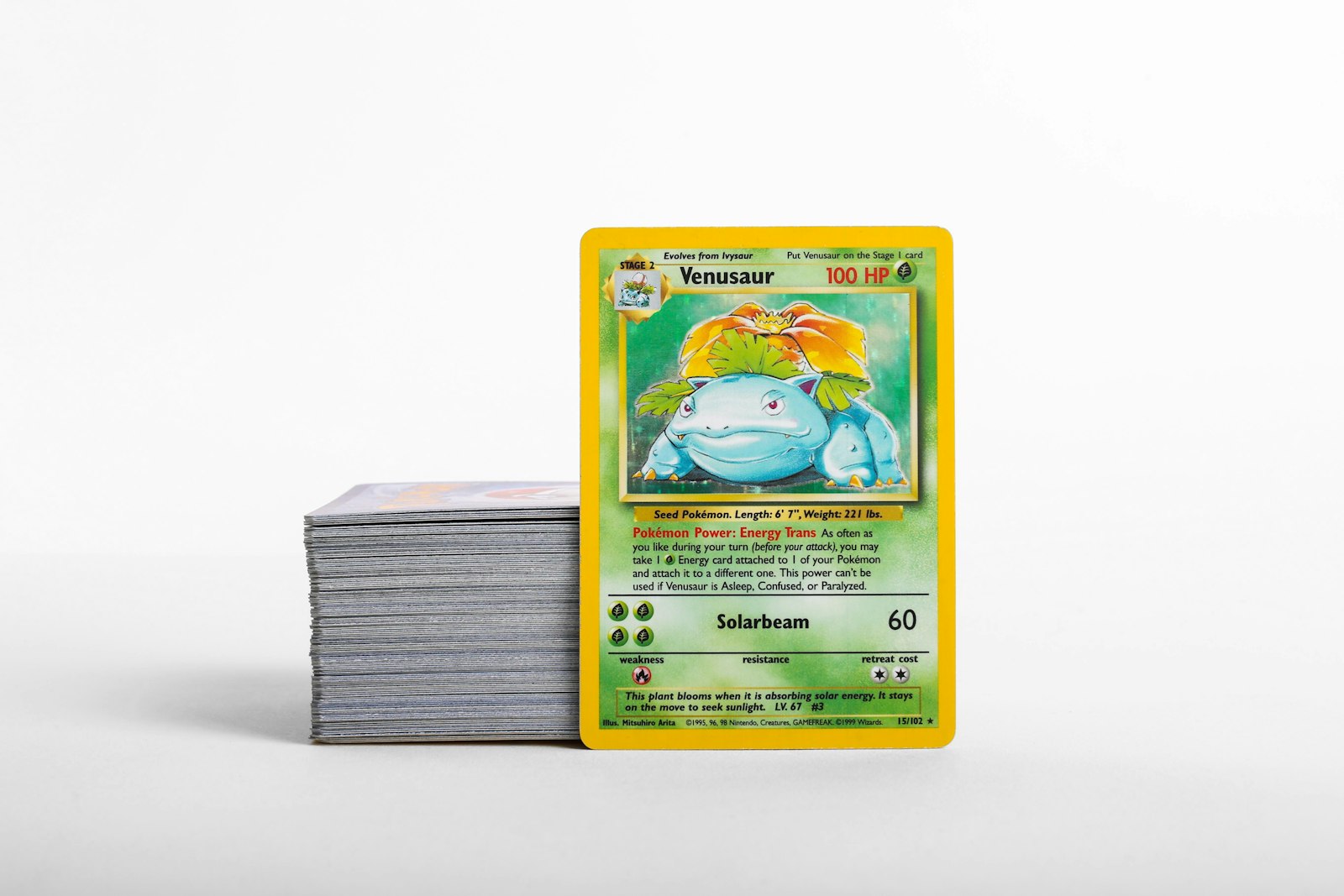
Building a clean, well-preserved Pokemon card collection requires more than just placing pulls into whatever plastic binder page is sitting on your desk. Every time a card is handled, shuffled, inserted into a tight sleeve, or stored in a high-humidity room, it faces subtle risks. Micro-scratches on holographic foils, tiny specks of edge whitening, and bent corners can develop quietly over time if your storage gear does not match the physical condition and structural needs of your singles.
To protect raw cards effectively, experienced collectors use a systematic approach: inspect raw wear, choose appropriate inner sleeves, select proper outer holders, and control environmental conditions. By aligning protection levels with each card's specific condition and vulnerability, you preserve both visual appeal and binder structure for years to come.
Step 1: Inspecting Raw Cards for Vulnerable Flaws
Before deciding how to store a card, you need an accurate assessment of its current state. Microscopic flaws affect how a card interacts with protective gear:
- Holographic Surface Wear: Modern and vintage foils can develop tiny surface hairline scratches or print lines from basic friction. Placing an un-sleeved holo into a rough plastic binder pocket often accentuates surface rubbing.
- Edge Whitening and Micro-Fraying: Raw card edges, particularly along dark back borders, easily chip or display exposed paper fibers if rubbed against tight sleeve seam borders.
- Corner Softening: Rounded card corners are sensitive to impact. Pushing a naked card into a stiff holder can catch a corner tip and cause permanent folding or softening.
- Foil Bending and Moisture Warp: Foil layers react to relative humidity at different rates than paper backings, creating a slight curve across the surface.
Catching these physical details early prevents you from forcing a vulnerable card into a storage format that accelerates wear.
Step 2: Choosing the Right Primary Sleeve
Your primary sleeve is the first defense against dust, fingerprints, and sliding friction. Selecting the correct fit is essential for physical preservation:
- Standard Penny Sleeves: Thin, loose-fitting polypropylene sleeves are ideal for raw bulk, basic rare cards, and cards destined for rigid toploaders. Because they fit loosely, they reduce the risk of catching a soft corner during entry.
- Perfect Fit Sleeves: Designed to hug the exact dimensions of the card, perfect fit sleeves seal out air pockets and fit neatly inside binder pages. However, you must insert cards with care—forcing a card into a tight inner sleeve can turn a minor corner flaw into a noticeable bend.
- Matte Back Sleeves: Textured gaming sleeves reduce surface stickiness and prevent holographic foils from clinging to sleeve windows under pressure, making them a solid choice for frequently handled trade binders.
For high-value holos and ultra-rares, double-sleeving (a bottom-entry perfect fit inside a top-entry penny sleeve or standard deck protector) creates an airtight seal that repels dust and moisture.
Step 3: Matching Holders to Card Condition
Once sleeved, every card needs a secondary housing structure designed for long-term resting:
Side-Loading Ringless Binders
Side-loading binders with archival-safe, acid-free backing pages prevent cards from sliding out when turned. Ringless stitched construction eliminates traditional three-ring mechanism pinches, which frequently cause severe edge indentation on center-column cards.
Rigids and Toploaders
Stiff PVC toploaders provide structural resistance against bending, making them ideal for shipping, trading, or storing raw chase cards. Always sleeve the card before inserting it into a toploader; bare cards sliding against rigid PVC walls will develop micro-scratches on foil layers.
Magnetic One-Touch Cases
For raw showcase cards, magnetic hard shell cases offer superior rigid protection. Be sure to select the correct thickness (35pt for standard Pokemon cards) so the card does not shift inside or suffer compression when the magnets snap shut.
Step 4: Managing Humidity, Temperature, and Light Exposure
Even premium binders and hard cases cannot prevent environmental degradation if ambient storage conditions are poor:
- Relative Humidity: Keep storage areas around 40% to 50% relative humidity. High humidity swells paper fibers and causes foil curling, while extreme dryness makes older cardstock brittle.
- Temperature Control: Store cards in climate-controlled rooms between 65°F and 72°F. Avoid damp basements, uninsulated attics, or outer walls prone to condensation.
- Light Shielding: Ultraviolet light breaks down card inks over time, causing color fading and dulling holographic depth. Keep valuable binders closed and display cases away from direct sunlight or heavy UV lamps.
Step 5: Integrating Digital Scanning with Physical Storage
Reorganizing physical storage without updating your records creates chaos when searching for specific singles. A structured system links physical binder placement directly to a digital catalog.
Using a dedicated Pokemon card scanner, you can capture new additions instantly before inserting them into protective sleeves. This allows you to verify identity, check details via a Pokemon card price checker, and organize single cards without constantly taking them out of their sleeves for manual inspection.
Logging card condition notes digitally inside a Pokemon collection app ensures you always know which copy sits in your binder, which is stored in a toploader box, and which singles require upgraded protection as your collection grows.
Storage Selection Summary
| Card Flaw / Status | Primary Sleeve | Secondary Holder | Primary Risk to Avoid | | :--- | :--- | :--- | :--- | | Pack-Fresh Foil | Perfect Fit + Penny Sleeve | Side-Loading Binder / Toploader | Fingerprint oils & dust exposure | | Minor Corner Softening | Standard Penny Sleeve | Toploader / Semi-Rigid | Tight inner sleeves catching corners | | Light Surface Scratches | Matte or Soft Sleeve | Ringless Binder | Rigid slide friction on unprotected foil | | Curled / Warped Foil | Double Sleeve | Stiff Toploader | Moisture exposure in humid rooms |
Keep Your Collection Safe and Cataloged
Protecting raw Pokemon cards is an ongoing process of smart inspecting, correct sleeving, and stable environmental control. By pairing proper storage gear with a fast intake routine, you eliminate unnecessary handling wear while maintaining a clean, easily searchable binder setup.
To manage your collection seamlessly from pull to page, download PokeSnap on iOS or Android. Scan cards in seconds, track condition notes, and maintain full control over your physical and digital inventory.