PokeScan icon PokeScan
Pokemon TCG guides

Practical Pokemon card guides built around real collector workflows.

These articles target the questions collectors actually search before they scan cards, check value, decode rarity, inspect condition, spot fake cards, buy safely online, protect stronger copies, build cleaner binders, finish master sets, prep a trade binder, clear bulk, decide whether to grade, choose where to sell, protect sealed product, or start tracking duplicates properly. Each guide links back into the relevant PokeScan workflow so readers can move from research to action quickly.

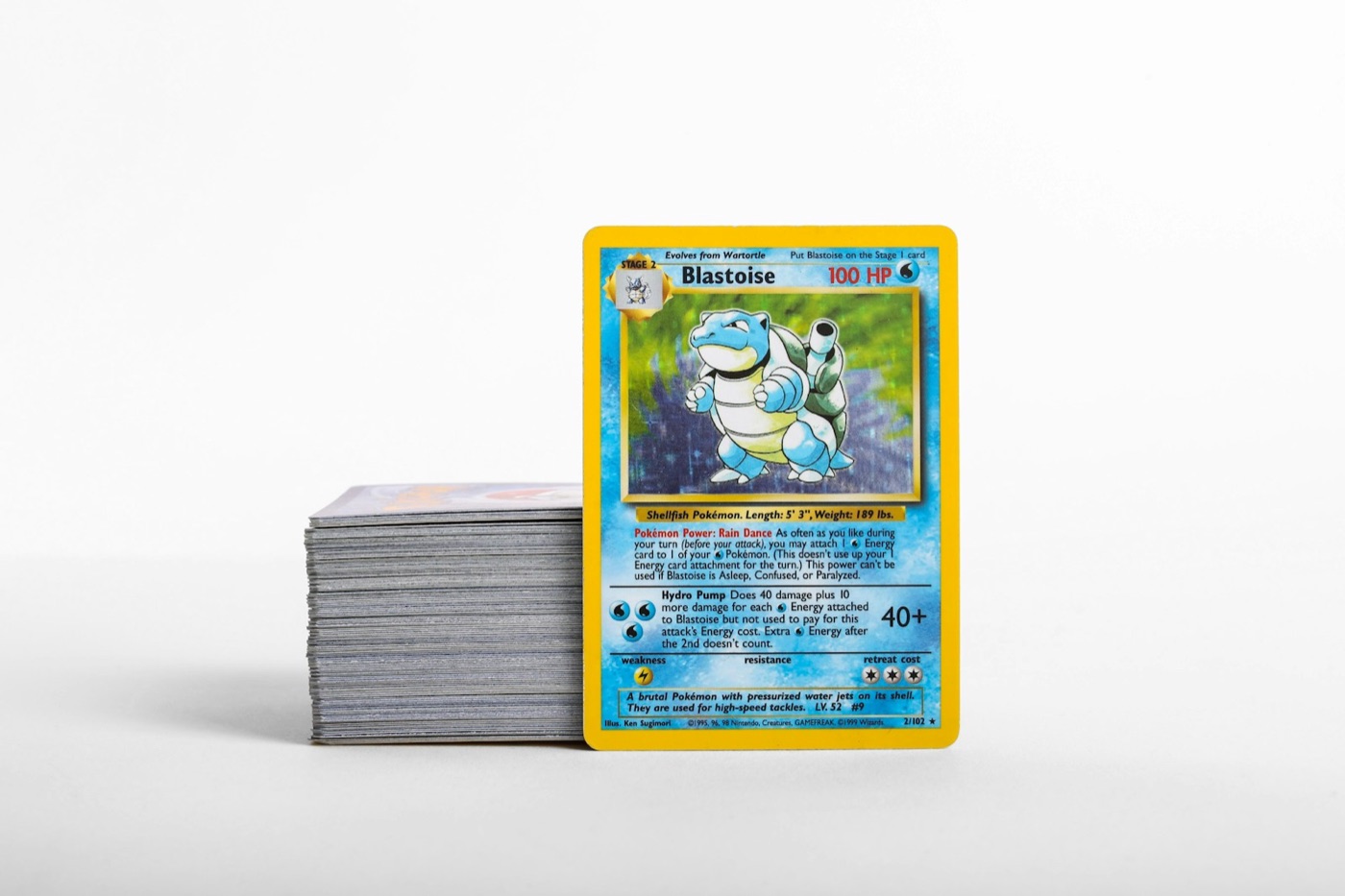
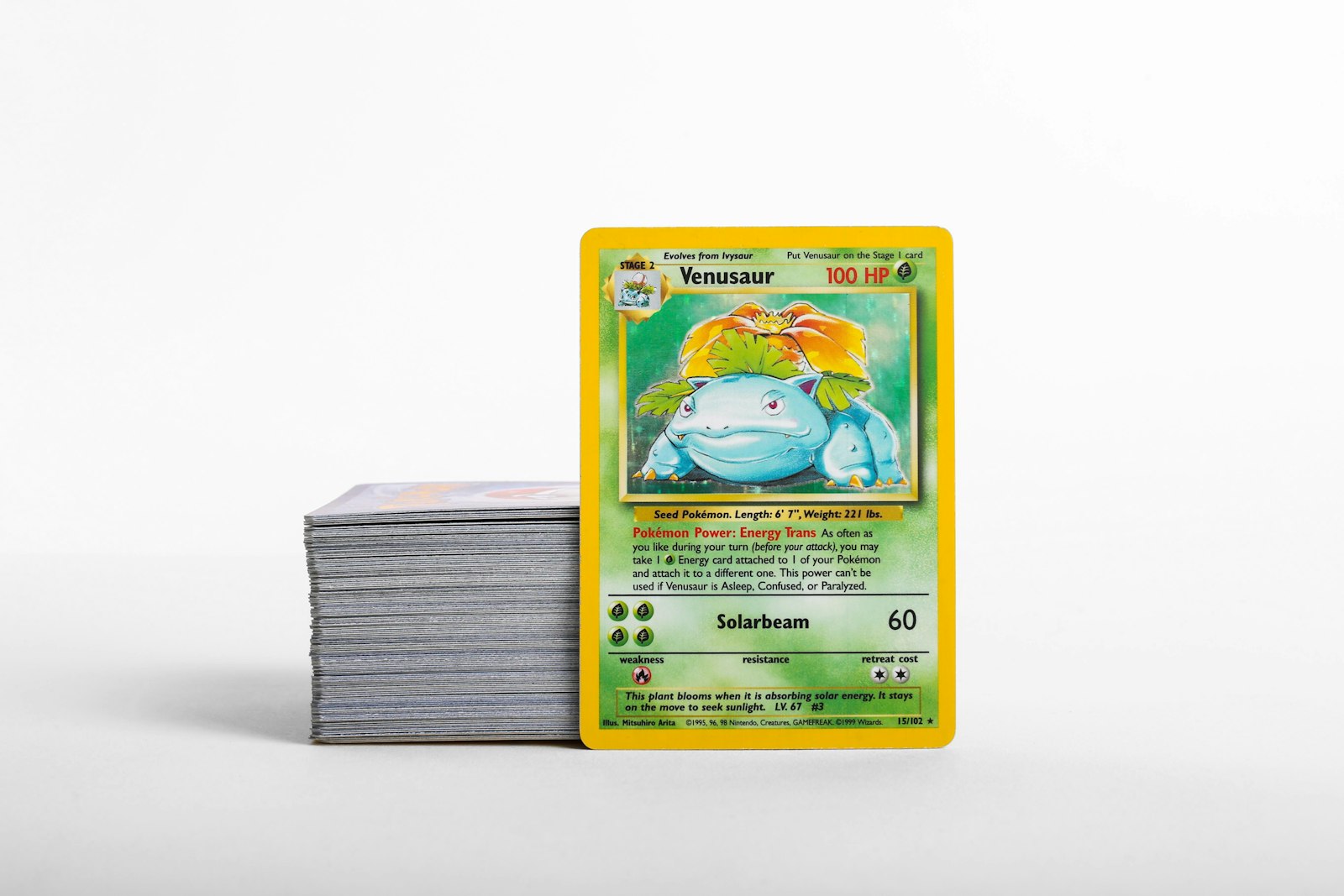
Sealed Pokemon TCG products and cards used as a hero image for the PokeScan blog
Image credit: Vagueonthehow on Wikimedia Commons, CC0 1.0.

Featured articles

Start with the collector job you are trying to do

The cluster now covers twenty stable intents: scanning cards, checking market prices, organizing a collection, understanding Japanese cards, choosing a scanner app, identifying valuable cards, storing cards safely, tracking a collection without spreadsheet fatigue, reading rarity symbols, comparing grading decisions, choosing where to sell, decoding set symbols and numbers, spotting fake cards, judging condition, trading duplicates well, handling bulk without chaos, protecting stronger cards, buying safely online, building a better binder, and finishing a master set without losing track.

Where these guides connect to PokeScan

Scanner-first workflow

Readers looking for fast capture can move from the scanning article straight into the Pokemon card scanner page.

Price confidence

Value-focused readers can continue into the price checker page once they understand how sales context and condition change the number.

Collection management

Binder and inventory readers can jump into the collection app page after reading the organization guide.