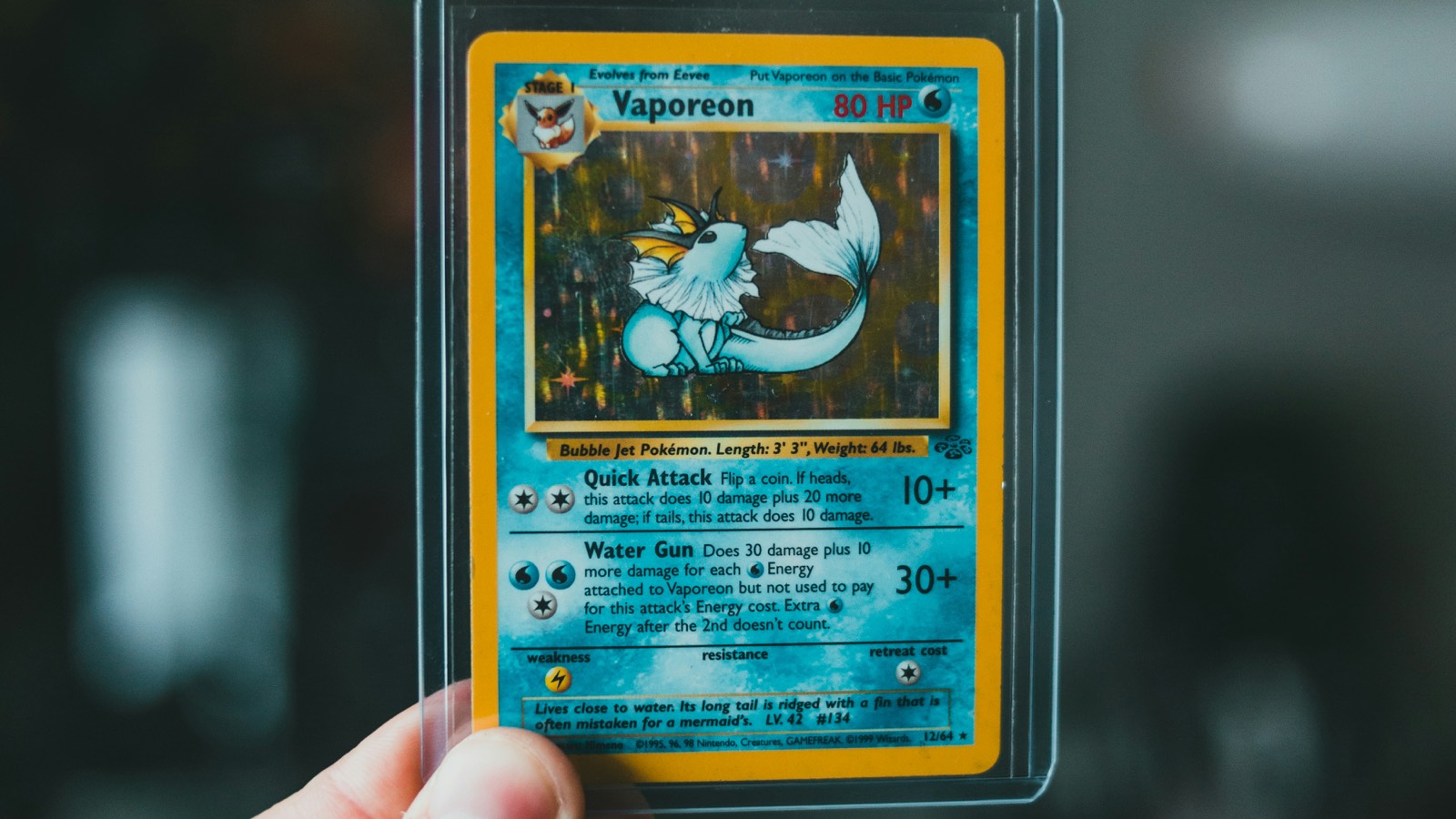
Raw and graded cards solve different problems
A raw Pokemon card gives you flexibility. A graded card gives you authentication, condition opinion, and a protected display format. Neither is automatically better. The better choice depends on what you are trying to do with the card after you buy it.
Collectors usually get into trouble when they pay graded-card expectations for a raw card, or raw-card flexibility prices for a slab they do not actually want to keep.
When raw Pokemon cards make sense
Raw cards are often better for binders, master sets, condition upgrades, and collectors who enjoy inspecting copies themselves. They can also create grading upside when the card is cleaner than the seller priced it.
Raw makes the most sense when:
- You want binder consistency
- You are comfortable judging condition
- The seller provides strong photos
- The raw price leaves room for risk
- You do not need third-party authentication immediately
The how to buy raw Pokemon cards guide covers the condition-check workflow in more detail.
When graded Pokemon cards make sense
Graded cards are better when authenticity, resale confidence, storage, or display matters more than binder flexibility. A slab can reduce uncertainty, especially for expensive vintage, clean chase cards, scarce promos, and cards where raw condition is hard to trust online.
Graded makes the most sense when:
- The card is expensive enough to justify authentication
- You care about a specific grade
- The slab premium matches recent sales
- You want easier resale
- The card is difficult to inspect raw
The Pokemon card grading guide explains how to choose grading candidates before paying submission fees.
Compare all-in cost, not sticker price
A raw copy may look cheaper until you add grading, shipping, insurance, fees, waiting time, and the risk of a lower grade. A slab may look expensive until you compare it against the cost and uncertainty of finding a raw card that grades the same way.
Before choosing, compare:
- Raw sold listings in similar condition
- Graded sold listings in the target grade
- Grading and shipping costs
- Buyer premium or marketplace fees
- Your plan for the card
The Pokemon card sold listings guide helps keep that comparison grounded.
Raw vs graded for collectors, traders, and sellers
For collecting, the choice is personal. Some collectors prefer binders because the set looks complete. Others prefer slabs because favorite cards feel safer and easier to display.
For trading, raw cards are often easier to move in mixed binders, while slabs require more exact value alignment. For selling, graded cards can be easier to list when buyers trust the label, but raw cards may attract buyers who want grading upside.
Track both formats clearly
Do not collapse raw and graded copies into one inventory line. Track grade, company, certification number, raw condition, purchase price, and whether the card belongs in a binder, display, trade stock, or resale lane.
A Pokemon collection app helps because a raw duplicate and a graded copy of the same card can have very different value and purpose.
The simple rule
Choose raw Pokemon cards when flexibility and price matter most. Choose graded Pokemon cards when authentication, condition confidence, and resale clarity matter more. The better buy is the copy that fits your plan at the right all-in cost.