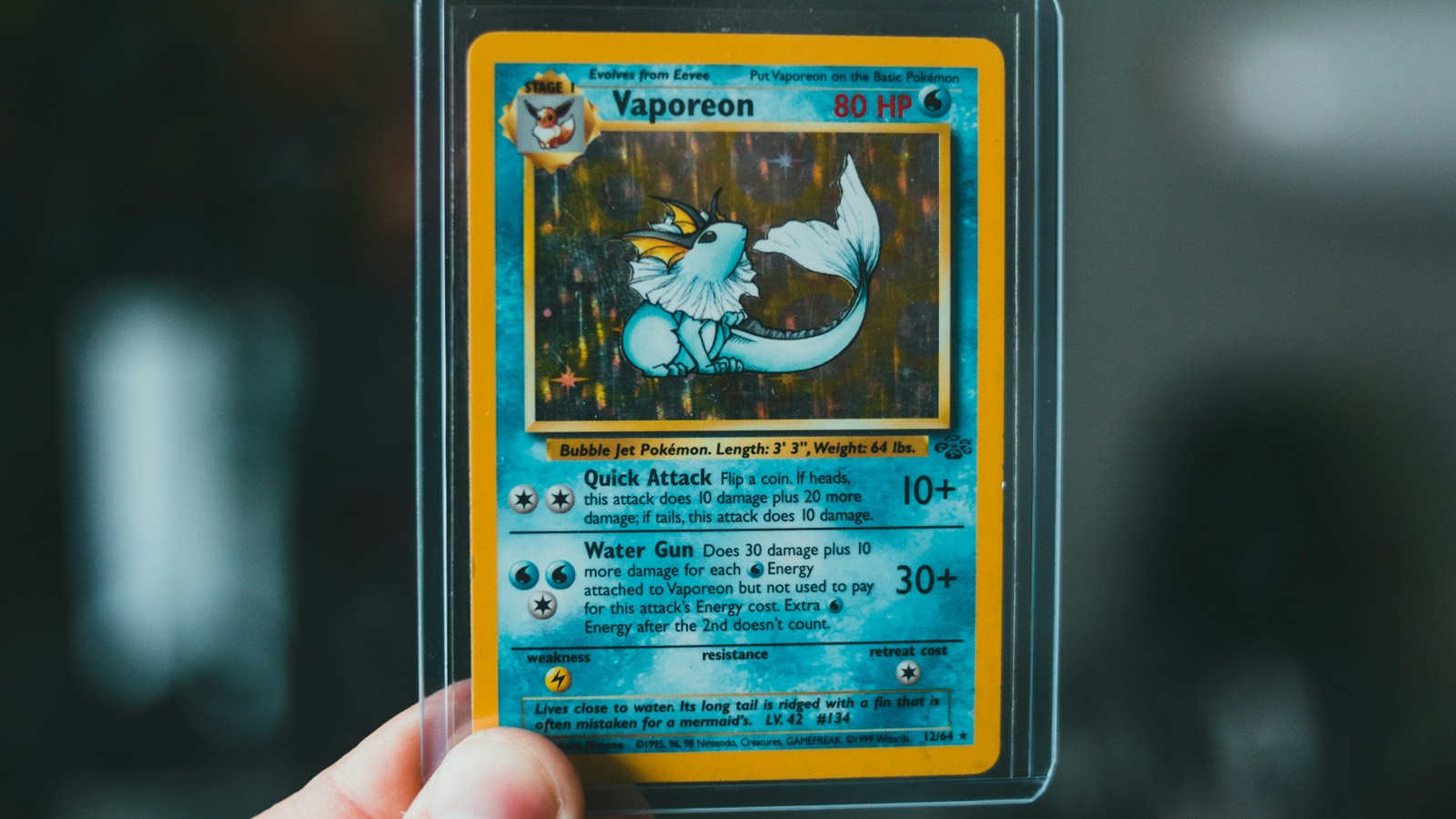
Grading profit starts before the card leaves your hands
Submitting a Pokemon card for grading can protect value, make selling easier, or turn a strong raw card into a premium slab. It can also turn a good raw card into a worse financial decision after fees, shipping, insurance, and a lower-than-expected grade.
A Pokemon card grading fee break-even check gives you a simple filter before the submission is built.
Start with the raw value
First, estimate what the card is worth today as a raw copy in its real condition. Do not use the best-looking active listing if your copy has whitening, a surface issue, or weak centering.
Use the raw vs graded price guide and the price snapshot routine guide to keep the evidence grounded.
Add the full submission cost
The grading fee is only part of the cost. A realistic break-even check should include:
- Grading tier fee
- Shipping to the grader
- Return shipping
- Insurance or declared value charges
- Supplies
- Marketplace selling fees if you plan to sell
If you ignore those costs, the card may look profitable on paper while barely clearing the raw value in reality.
Compare expected grade lanes
Do not calculate only the grade you hope for. Compare at least three lanes:
- Conservative grade
- Expected grade
- Best realistic grade
For many modern cards, the difference between a 9 and a 10 is the whole decision. The grade 9 vs 10 guide is useful when that spread determines whether submission makes sense.
Set a minimum upside rule
Breaking even is not always enough. Grading takes time and adds handling risk. Decide how much upside you need before sending the card. Some collectors want a clear resale margin. Others submit for protection, display, or personal collection reasons.
Label the reason before submission so you do not judge a personal card by reseller math or a resale card by collector emotion.
Remove weak candidates early
If the card only works at a perfect grade, move it out of the submission pile unless the personal reason is strong. A grade later box can hold borderline cards until fees, comps, or condition confidence improve.
Use the grade later box guide for cards that are promising but not ready.
The simple rule
A Pokemon card grading fee break-even check prevents rushed submissions. Start with real raw value, add every cost, compare conservative and expected grade lanes, set a minimum upside rule, and remove cards that only work under perfect assumptions.