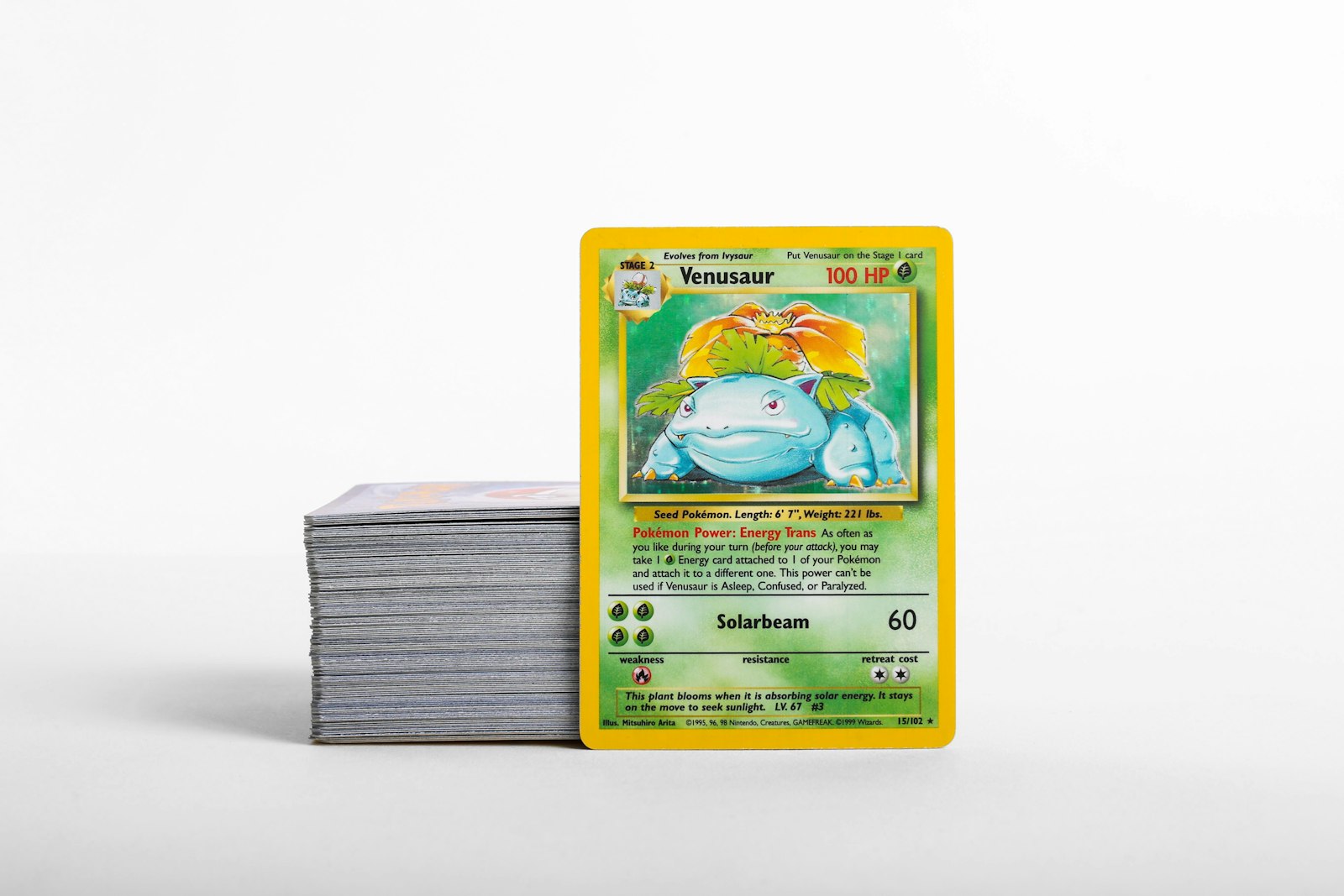
For Pokemon card collectors, finding a balance between adequate protection and practical storage is a constant challenge. Over-protecting every single card leads to massive, heavy boxes filled with plastic that cost more than the cardboard inside. Under-protecting your cards, however, means minor edge wear, surface scratches, and environmental humidity can quietly degrade a Near Mint chase card into a Lightly Played binder copy, erasing its long-term appeal.
To prevent this, you need a systematic protection framework. By matching a card's physical condition, market rarity, and eventual destination with the right combination of sleeves, binders, and rigid holders, you can keep your collection safe without drowning in unnecessary plastic.
Here is how to analyze your raw cards and make smart, cost-effective storage decisions.
1. The Core Protection Tiers: An Overview
Before diving into specific card conditions, it helps to establish a baseline of the primary protection tools available to collectors. Not all protection is created equal, and each tool serves a specific purpose:
- Penny Sleeves: Loose-fitting, clear polypropylene sleeves. They are designed to prevent surface scratches and are the absolute minimum level of protection for any card above common bulk.
- Perfect Fit Sleeves: Tight-fitting sleeves designed to hug the card exactly. These are primarily used for double-sleeving or keeping cards snug inside tight binder pockets.
- Toploaders: Rigid plastic cases that protect cards from bending and moderate physical impacts. They require a sleeve first to prevent the hard plastic from scratching the card surface.
- Semi-Rigid Holders: Flexible, clear plastic sleeves with a tall lip. These are the standard for grading submissions because they hold the card firmly in place without the risk of movement.
- Magnetic One-Touch Cases: Premium, hard-plastic enclosures that seal with a magnet. Excellent for display, but they require careful handling to ensure the card does not shift inside.
- Side-Loading Binders: Binders with built-in, padded pages where cards slide in from the side. These are vastly superior to top-loading, open-ring binders, which can warp cards over time.
2. Matching Card Condition to the Right Sleeve
Your first line of defense is always a sleeve. The type of sleeve you choose should depend directly on the card’s current condition and how you plan to store it.
#### Near Mint (NM) to Mint Hits For modern Secret Rares, vintage holos, or any card in pristine condition, the goal is total preservation. Use a standard penny sleeve or a high-quality deck sleeve. If you plan to store the card in a binder, consider double-sleeving. To do this safely, slide a perfect-fit sleeve over the top of the card, then slide that assembly bottom-first into a standard sleeve or binder pocket. This seals all four edges from dust and moisture.
#### Lightly Played (LP) to Moderately Played (MP) Cards Cards with minor silvering, light whitening on the corners, or tiny surface scuffs do not need extreme double-sleeving unless they are high-value vintage items. A single, clean penny sleeve is usually sufficient before placing them into a binder. This keeps the surface safe from further friction without adding unnecessary bulk to your storage boxes.
#### Heavily Played (HP) to Damaged Cards For cards with creases, heavy edge wear, or dirt, a penny sleeve is still useful to keep them from degrading further or transferring dirt to other cards. However, skip premium double-sleeving or expensive rigid holders. Store these in basic bulk boxes or dedicated budget binders.
3. When to Use Rigid vs. Flexible Storage
Once a card is sleeved, you must decide whether it belongs in a rigid holder (like a toploader) or a flexible holder (like a binder page). This decision should be guided by both the card's physical vulnerability and how often you want to view it.
| Storage Format | Best Used For | Pros | Cons | | :--- | :--- | :--- | :--- | | Side-Loading Binder | Set completion, play sets, mid-value holo rares, and reverse holos. | Easy to browse, space-efficient, keeps sets organized. | Less drop protection than rigid cases; vulnerable to extreme humidity warp. | | Toploaders | High-value raw singles, trade stock, and cards awaiting a grading decision. | Excellent impact and bend protection; highly portable for trades. | Bulky to store; difficult to browse sequentially without specialized toploader binders. | | Semi-Rigid Holders | Cards prepared for grading submission, vintage raw cards. | Holds card perfectly still; preferred by grading companies. | Harder to insert/remove cards safely; not ideal for casual viewing. | | Magnetic Cases | Top personal favorites, high-value display cards. | Premium look, UV protection options, sturdy display footprint. | Expensive; can damage card edges if the card is not perfectly seated before closing. |
Before you pack cards away into rigid holders, it is highly recommended to use a Pokemon card scanner to log their exact printing, set number, and condition. This ensures you have a digital record of what is inside your storage boxes without needing to pull cards out of their protective layers later.
4. Environmental Storage Decisions: Controlling the Elements
Even the best sleeves and cases cannot protect your cards if your storage environment is hostile. Cardboard is highly sensitive to temperature, humidity, and light.
#### Preventing Foil Curl Foil cards (holos, ultra rares, and reverse holos) are made of a plastic foil layer bonded to paper. Because paper expands and contracts with humidity while plastic does not, humidity changes cause cards to bend or "curl." Keep your binders and storage boxes in a climate-controlled room (ideally between 35% and 50% relative humidity). If you live in a humid climate, place silica gel packets inside your storage boxes to absorb excess moisture.
#### Light and UV Protection Standard sleeves and plastic holders do not block ultraviolet (UV) light. Direct sunlight or harsh fluorescent indoor lighting will fade the ink on your cards over time, turning vibrant artwork dull. Never store binders or display cases directly opposite windows. If you display cards on shelves, invest in acrylic display cases or magnetic holders specifically rated for UV resistance.
#### Pressure and Stacking Never stack binders flat on top of one another. The weight of heavy binders stacked horizontally creates uneven pressure, which can cause ring marks on the cards near the rings or warp the cards at the bottom of the stack. Always store binders vertically, like books on a shelf. Similarly, ensure your cardboard storage boxes are not packed so tightly that cards are compressed, which can cause surface friction damage when you try to slide them out.
5. Establishing an Intake and Protection Routine
To keep your collection organized and safe, establish a consistent routine every time you open new packs, receive a mail day delivery, or come home from a local trade night:
- Inspect and Scan: Place the raw card on a clean, flat playmat. Use a Pokemon card price checker to determine the card's current market context so you know which protection tier it belongs in.
- Sleeve Immediately: Slide the card into a clean sleeve. Never let raw cards sit in unsorted piles on your desk where they can get knocked around, spilled on, or scratched.
- File Safely: Place binder cards into their designated slots and file premium singles into toploaders or semi-rigids.
- Update Your Tracker: Log the card's storage location (e.g., "Trade Binder 1" or "Toploader Box A") in your digital Pokemon collection app so you never have to hunt through dozens of boxes to find a specific single.
Protect and Track Your Collection with PokeSnap
Building a great collection is only half the battle; keeping it safe, organized, and properly valued is what separates casual collectors from serious curators. By matching your card protection directly to card condition, you protect your budget while ensuring your best cards remain pristine for years to come.
To make your intake and organization process seamless, download PokeSnap. With PokeSnap, you can instantly scan your cards to identify their exact printings, check current price trends, and catalog your entire collection in one clean digital inventory. Keep your physical cards safe in their binders and boxes while managing your collection effortlessly right from your phone.