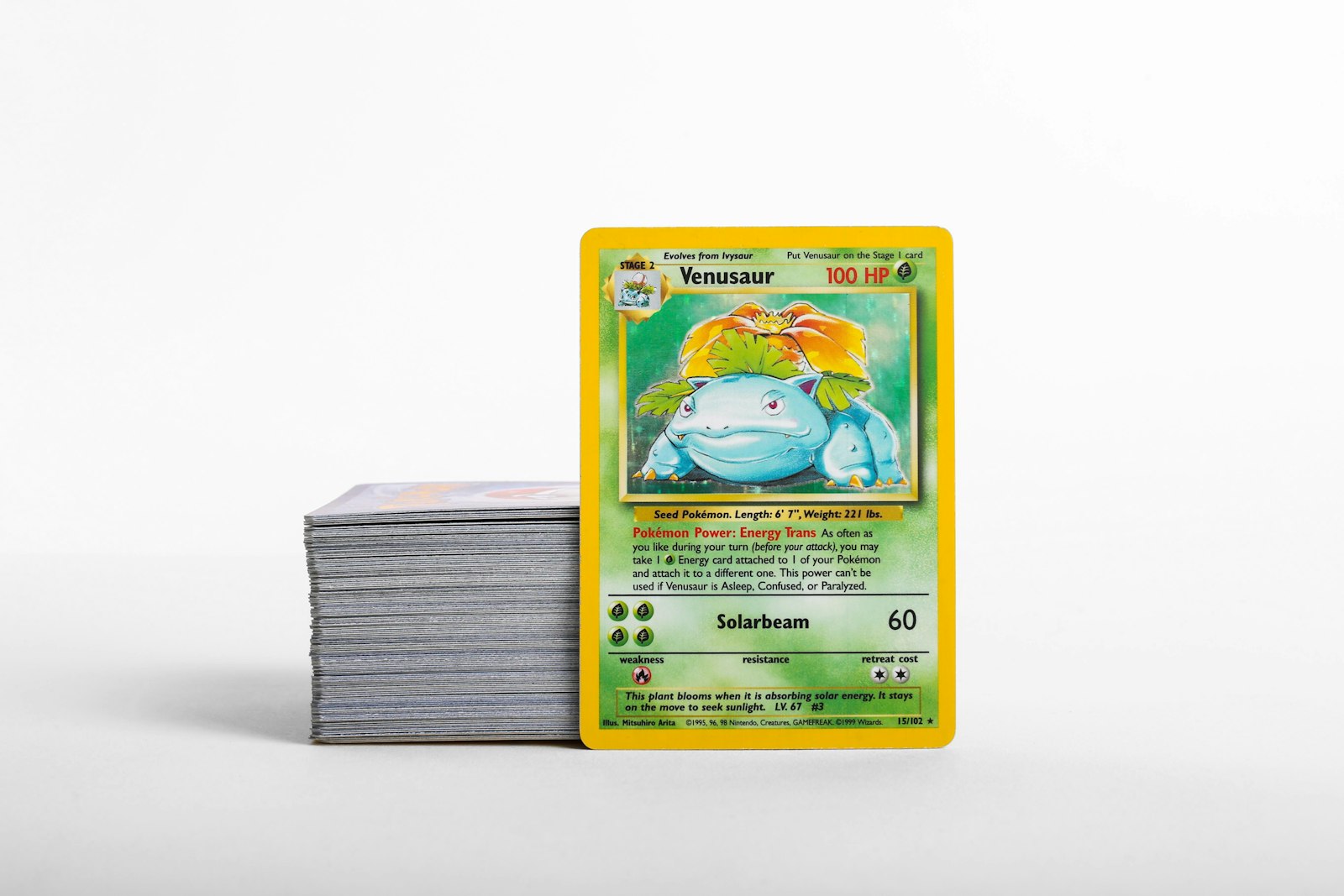
Sleeves wear out before collectors notice
Pokemon card sleeves are supposed to protect the card, but they also pick up dust, clouding, edge splits, pressure marks, and small bends from normal handling. A sleeve that looked fine during a pack opening can become unsafe after months in a binder or trade box.
A sleeve refresh routine keeps protection from becoming a hidden condition risk.
Start with cards that move often
Do not empty the whole collection at once. Begin with cards that get handled most:
- Trade binder cards
- Deck staples
- Show or local meetup cards
- Recent pulls in temporary sleeves
- Higher-value raw cards
- Cards inside tight binder pages
- Duplicates being prepared for sale
The sleeve types guide helps if you are not sure which cards need inner sleeves, standard sleeves, top loaders, or semi-rigid holders.
Look for sleeve problems, not only card problems
Check whether the sleeve is cloudy, scratched, split, sticky, too tight, or bowed inside the binder pocket. If the card catches when you remove it, stop and replace the sleeve carefully.
Also inspect the card after removal. A sleeve refresh is a good time to catch whitening, dents, foil scratching, and edge wear before those issues become stale inventory notes.
Use the surface damage guide and whitening guide when you need consistent condition language.
Upgrade protection when the card's role changed
A card that was bulk last year might now be playable, tradeable, or worth grading. Protection should follow the card's current job, not its old label.
Scan or price-check cards that suddenly deserve better handling, then update their status in your Pokemon card collection app. If the card moved from binder copy to grading candidate, record that change before it disappears into a separate box.
Keep the workflow small and repeatable
Refresh one binder section, deck box, or sale stack at a time. Replace sleeves, note condition changes, move cards needing rigid protection, and label the reviewed section with the date.
The weekly collection review guide is a good cadence if you trade or sell regularly.
The simple rule
A Pokemon card sleeve refresh routine should protect condition before damage becomes expensive. Review high-handling cards first, replace weak sleeves, upgrade protection when value changes, and update inventory notes while the cards are already out.