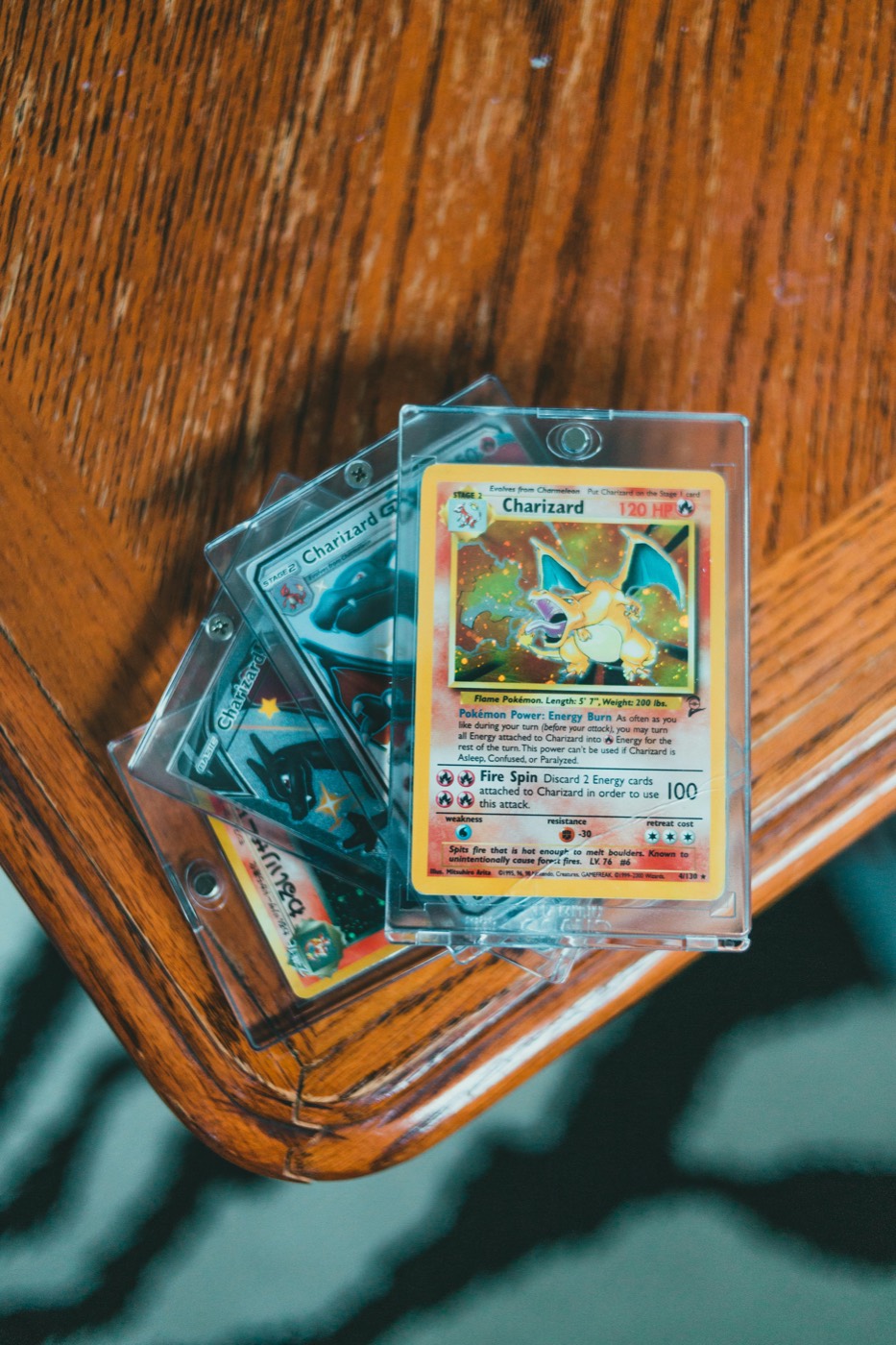
Damage does not make every card worthless
Damaged Pokemon cards are easy to dismiss, but value depends on the exact card, rarity, demand, and type of damage. A creased modern bulk card may not matter. A damaged vintage holo, scarce promo, or popular chase card may still deserve tracking.
The first step is to stop treating all damage the same.
Identify the card before judging the flaw
Confirm exact identity with the Pokemon card scanner or a manual lookup before deciding what to do. The same damage can mean different things on a common card, a scarce promo, a first edition card, or a popular character.
Check:
- Set and collector number
- Language
- Holo or reverse holo status
- Promo or special release status
- Whether a cleaner copy is already in your collection
Separate damage types
Different flaws affect value differently. Review:
- Creases and bends
- Surface scratches
- Whitening and edge wear
- Dents or pressure marks
- Water damage
- Heat or foil curl
- Ink, fingerprints, or stains
Use the water damage guide, heat damage guide, and crease guide when the flaw needs a closer look.
Compare against the right market
Do not price a damaged card against near-mint listings. Use the Pokemon card price checker for identity, then compare damaged, heavily played, or lower-grade examples where possible.
If the card is scarce, even damaged copies may sell. If the card is common, the damage may push it into bulk or binder-only status.
Decide the best role for the card
Damaged cards usually fit one of these outcomes:
- Keep as a placeholder
- Replace later with a cleaner copy
- Sell with clear photos and condition notes
- Trade as a low-condition copy
- Use for play if sleeve-safe
- Move to bulk or discard if unsalvageable
Record the decision in your Pokemon card collection app so a damaged placeholder is not mistaken for a clean keeper later.
Be honest in sale records
If you sell or trade a damaged card, photos and wording matter. Show the flaw clearly, name the condition honestly, and avoid hiding damage in stacked photos.
The scan before selling checklist and condition notes guide help prevent disputes.
The simple rule
A Pokemon card damaged card value guide should start with exact identity, separate flaw types, compare against the correct condition market, and assign a clear role. Damaged cards can still matter, but only when the record says why.