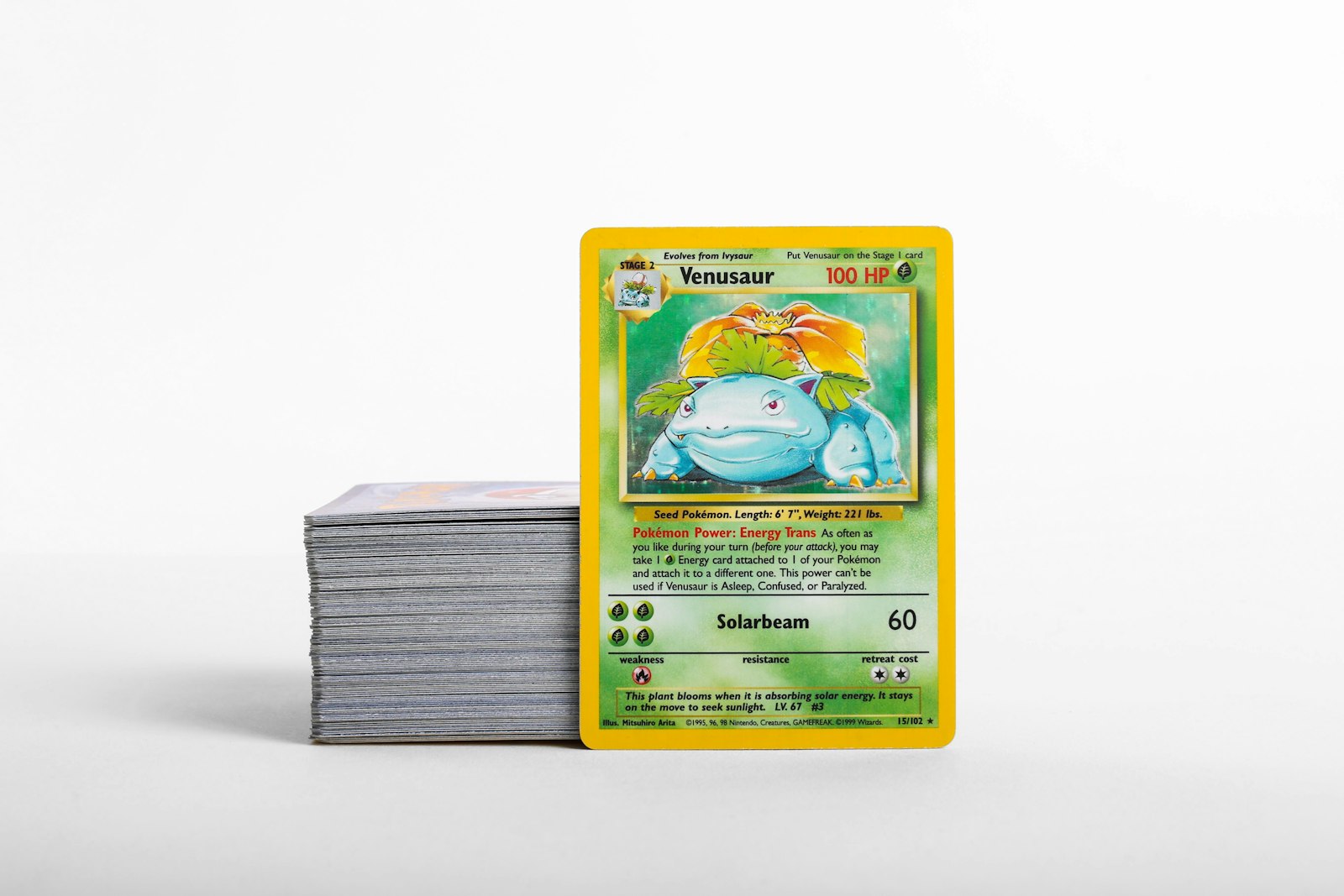
Even high-quality protective gear breaks down over time. Soft polypropylene penny sleeves turn cloudy, side-loading binder pockets lose their tension, and heavy storage boxes put pressure on raw card surfaces. Collectors often assume that once a Pokemon card is placed in a sleeve or binder, it is permanently safe from harm. In reality, aging protective materials and poor storage alignment introduce subtle micro-wear that quietly erodes condition.
Catching supply failure early keeps edge whitening, surface haze, and binder ring denting out of your collection. By auditing your physical storage gear alongside regular inventory updates, you protect both the physical condition and long-term clarity of your binder sets.
Identifying Micro-Wear Caused by Aging Sleeves
Sleeves are your collection's first defense, but they suffer from friction, dust buildup, and chemical degradation as they age. Over time, plasticizers breakdown or micro-abrasions cover the surface of cheap penny sleeves, transferring haze directly onto shiny foil surfaces.
Watch out for these early signs of sleeve failure:
- Surface Haze and Clouding: When transparent sleeves take on a matte or foggy appearance, fine plastic debris and oils are rubbing against the card's surface finish.
- Corner Curling: Soft sleeves that split at the seams or curl at the top opening expose the top edge of the card to air currents, dust, and physical snags.
- Friction Cling: If a card sticks to the inner sleeve wall when you try to remove it, moisture or static build-up is present, which risks pulling off fragile surface gloss.
Replacing penny sleeves every few years or whenever you transfer cards between storage formats prevents old plastic from embedding micro-scratches into your favorite hits.
Preventing Page Sag and Pocket Slack in High-Density Binders
Ringless side-loading binders are popular for organizing complete sets, but high page counts introduce gravitational drag. When a binder is stored vertically without support, weighted pages slump downward, causing the bottom row of card pockets to pinch against the binder casing.
Loose pocket seams present another issue. Continually sliding cards in and out stretches out binder pockets. Once a pocket loses its elasticity, the card inside shifts around whenever you turn the page, leading to corner snags and top-edge whitening.
To keep binder pages rigid and secure, store your binders upright on flat shelves with slight lateral support from neighboring books or dividers. Avoid overstuffing 9-pocket or 12-pocket pages beyond their intended card capacity. When reorganizing large binder layouts, logging your binder slots into a Pokemon collection app helps you plan page shifts digitally before moving physical cards in and out of loose pockets.
Managing Foil Bends and Environmental Storage Stress
Holofoil cards absorb ambient humidity differently than the paper backings they are glued to. This imbalance creates foil curl, causing the card edges to warp inward or outward. Storing a heavily curled foil inside a tight, flat binder pocket creates focal points of pressure on the center of the card surface.
If you notice structural bending or environmental stress on raw cards:
- Demean the Storage Area: Maintain a stable room temperature and low humidity level to stop hydro-expansion in cardstock fibers.
- Use Semi-Rigid Holders for Recovers: Flatten curved foils gently inside clean semi-rigid sleeves or heavy-walled toploaders rather than forcing them into tight binder slots.
- Avoid Excessive Stacking: Stacking heavy piles of raw cards flat in cardboard storage boxes concentrates weight on the bottom cards, crushing corners and imprinting edge lines.
Desk Workflows for Inspecting Raw Singles
Routine inspection prevents localized supply damage from spreading across your collection boxes. Whenever you intake new singles, clear off your desk, set down a clean felt desk mat, and inspect every card under a direct neutral light source.
Before inserting any single into fresh protection, run a fast digital check. Scanning raw cards using a high-accuracy Pokemon card scanner lets you document the exact surface state, corners, and centering at intake. Having clear visual records makes it easy to confirm later whether a flaw was present when you bought the card or occurred due to storage wear down the line.
Matching Card Value and Wear to Storage Tiers
Not every raw card requires an expensive magnetic case, but high-value hits should never settle for bare storage box placement. Matching physical storage gear to a card's condition and market weight keeps your supply budget practical while protecting key assets.
- Bulk Common/Uncommon Cards: Grouped in acid-free paper dividers or grid storage boxes inside clean penny sleeves for mid-tier holos.
- Binder Set Cards: Double-sleeved using Japanese-fit inner sleeves and standard outer sleeves placed into ringless, side-loading binder pages.
- High-Value Chase Singles: Double-sleeved and housed inside rigid top loaders or one-touch magnetic holders with UV-blocking properties.
When organizing your storage tiers, cross-referencing realistic market data through a dependable Pokemon card price checker ensures you invest heavy-duty protective gear like magnetic cases into the cards that truly justify the expense.
Establishing a Supply Maintenance Routine
Card protection is not a one-and-done setup; it requires regular maintenance. Setting aside time every few months to audit your storage materials keeps your collection safe over long horizons.
Build these maintenance habits into your collecting routine:
- Conduct Quarterly Binder Checks: Turn through your set binders to check for pocket slack, page drag, or dust accumulating along the top edges.
- Rotate Toploader Stacks: Ensure cards stored in hard cases are not compressed too tightly together in storage bins.
- Refresh Clouded Sleeves: Keep a fresh pack of clear penny sleeves on your intake desk so you can replace degraded sleeves immediately during auditing.
Keep Your Collection Organised and Protected
Maintaining raw card condition relies on combining clean physical storage with clear inventory tracking. PokeSnap makes it easy to catalog your binder sets, verify real market values, and keep detailed digital records of every raw single in your collection. Scan your cards with PokeSnap today to track your collection with total confidence.