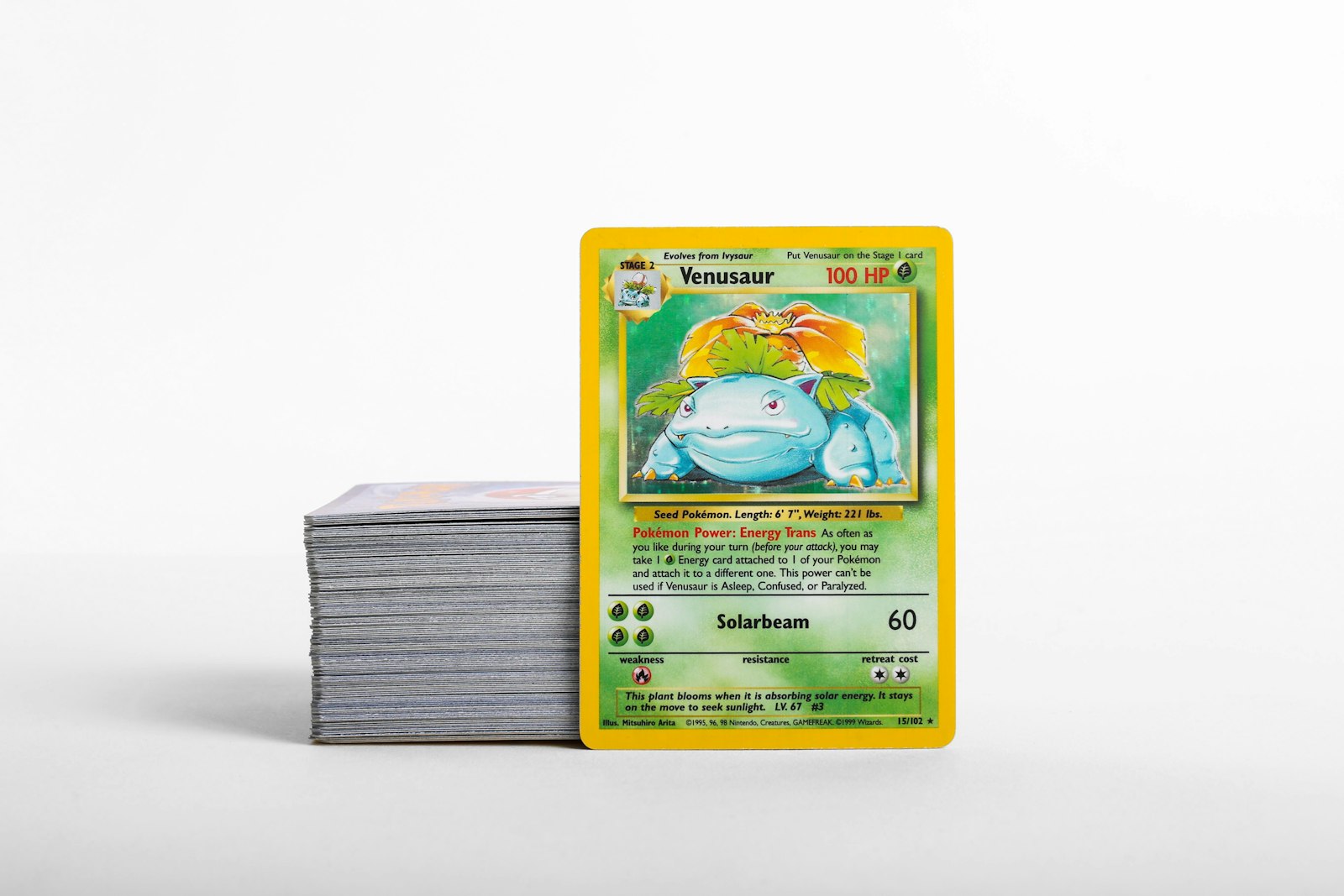
Every Pokemon card collector eventually runs into the same problem: a growing pile of cards and a limited amount of premium storage space. You cannot put every single common card in a magnetic one-touch case—not only is it expensive, but it is also incredibly impractical. Conversely, leaving a valuable secret rare loose in an open cardboard box is a recipe for edge wear and surface damage.
The secret to a highly organized, safe collection is matching card condition and value to the appropriate level of protection. By establishing a tiered storage strategy, you can protect your valuable cards, keep your bulk organized, and avoid overspending on protective gear. Here is how to build a practical protection system that matches the condition of your cards to the right storage solutions.
The Core Philosophy of Tiered Protection
To protect your collection without overspending, you need a tiered protection system. This means categorizing your cards based on their condition, rarity, and estimated value, then assigning each category a specific storage method. By matching the physical protection to the actual state and value of the card, you preserve your collection's condition while keeping your storage manageable.
Before you buy another pack of sleeves or a new binder, you need a clear picture of what you own. Identifying your cards quickly with a Pokemon card scanner is the first step in this process. Once you know exactly what versions of the cards you have in your hands, you can make informed decisions about how to store them safely.
Assessing Condition and Value First
You cannot protect what you have not evaluated. A card's current condition dictates its future storage needs. A pristine, pack-fresh card requires immediate, high-level shielding to prevent edge wear or surface scratches. A heavily played vintage card, while still valuable, might need different handling to prevent further creasing or warping.
To tier your protection effectively, use a Pokemon card price checker to understand where your cards stand in the current market landscape. While condition determines how fragile a card is, market value often determines how much you should invest in its physical armor. A good rule of thumb is to spend roughly 1% to 5% of a card's value on its protective housing.
Tier 1 Protection: Bulk, Commons, and Played Cards
The vast majority of any collection consists of common, uncommon, and non-holographic rare cards. These are often referred to as "bulk." For these cards, your primary goal is space efficiency, dust prevention, and basic organization rather than individual armor.
- Condition Profile: Excellent to Heavily Played commons, uncommons, and non-holo rares.
- Storage Solution: Acid-free, archival-safe cardboard bulk boxes (such as 800-count or 3,200-count boxes).
- Best Practices:
- Keep cards snug but not tightly packed. Overfilling boxes can cause corner bending and edge folding.
- Use plastic deck dividers to separate sets, types, or rarities.
- Never use rubber bands or paper clips to hold stacks together, as they cause permanent edge dents and warping.
Storing bulk this way keeps it organized and out of the way, freeing up your premium storage for the hits that actually need individual sleeves.
Tier 2 Protection: Holos, Reverse Holos, and Low-Value Rares
Holographic cards are naturally more susceptible to damage than non-holos. The foil layer on a holo card absorbs moisture differently than the paper backing, which can lead to "foil curl." These cards require a barrier against humidity and minor friction during handling.
- Condition Profile: Near Mint to Lightly Played holos, reverse holos, and low-value vintage cards.
- Storage Solution: Standard penny sleeves paired with side-loading pocket binders.
- Best Practices:
- Always insert the card slowly into a penny sleeve to avoid catching and bending the corners.
- Use side-loading binders rather than top-loading ones to prevent cards from slipping out when the binder is carried or turned upside down.
- Avoid cheap three-ring binders with loose pages, as the metal rings can easily pinch and dent the inner column of cards.
This tier keeps your shiny cards flat, visible, and safe from light handling when you are browsing your collection or showing it to friends.
Tier 3 Protection: Mid-Range Hits and Binder Favorites
This is where your favorite full arts, illustration rares, and mid-tier vintage cards live. These cards have significant aesthetic and personal value, and they require a double layer of defense to ensure they stay in Near Mint condition.
- Condition Profile: Near Mint ultra rares, special illustration rares, and high-value vintage singles.
- Storage Solution: Double sleeving (perfect-fit inner sleeve + standard outer sleeve) inside a premium zippered binder.
- Best Practices:
- Insert the perfect-fit sleeve from the top of the card down, then slide it into the outer sleeve from the bottom up. This seals the card on all four sides from dust and moisture.
- Choose a binder with a padded, water-resistant exterior and a secure zipper to keep out environmental debris.
- Regularly audit your binder to ensure pages are not warping under too much pressure or weight.
Double sleeving provides an airtight micro-environment that completely halts foil curling and protects your favorite cards against accidental spills or high-humidity days.
Tier 4 Protection: Grails, Slabs, and Grading Candidates
At the top of the pyramid are your most valuable cards—the "grails" of your collection, or raw cards you plan to submit for professional grading. These cards cannot tolerate even a microscopic scratch, speck of dust, or minor edge touch.
- Condition Profile: Pack-fresh high-end hits, high-value raw cards, and graded slabs.
- Storage Solution: Toploaders, semi-rigid card savers, or magnetic one-touch cases, stored in dedicated slab/toploader boxes.
- Best Practices:
- Always place the card in a clean penny sleeve before inserting it into a rigid toploader or semi-rigid holder to prevent surface scratching against the hard plastic.
- For magnetic cases, ensure the card is perfectly centered in the recessed cavity before snapping it shut to avoid pinching the edges.
- Store these rigid holders vertically in specialized plastic or heavy-duty cardboard storage cases rather than stacking them horizontally, which can apply uneven pressure.
This tier isolates each card completely, ensuring that physical impacts, drops, or pressure cannot transfer to the card itself.
Environmental Controls for Long-Term Storage
No matter how many sleeves or cases you use, the surrounding environment can still damage your cards over time. Always keep these three factors in check in your storage room:
- Humidity: Keep your storage area between 35% and 45% relative humidity. Use silica gel packs in your storage boxes to absorb excess moisture and prevent warping.
- Temperature: Store your collection in a climate-controlled room. Extreme heat can soften the adhesive on binders and sleeves, while extreme cold can make plastics brittle.
- Light: Keep your binders and storage boxes away from direct sunlight. UV rays will fade the vibrant ink on your cards over time, permanently lowering their appeal and condition.
Keeping Your Protected Collection Organized
As you tier your protection, your collection will naturally become physically separated. Your bulk is in boxes, your mid-tier hits are in zippered binders, and your grails are locked away in rigid cases. To prevent losing track of what you own and where it is stored, a digital inventory is essential.
Using a dedicated Pokemon collection app allows you to bridge the gap between your physical storage and your digital records. You can log where each card is stored, note its condition, and track its value over time without having to manually flip through binders or open storage boxes. This keeps your physical cards safe from unnecessary handling while keeping your collection data completely accessible.
Streamline Your Protection Strategy with PokeSnap
Protecting your Pokemon cards does not have to be an expensive guessing game. By tiering your storage options based on condition and value, you can ensure your best cards remain pristine while keeping your bulk neat, safe, and affordable.
Ready to organize your collection and find out which cards deserve premium protection? Download PokeSnap today on iOS or Android to scan your cards, check values instantly, and build a digital inventory that keeps your physical collection perfectly organized. For more tips on maintaining your collection, check out our blog.