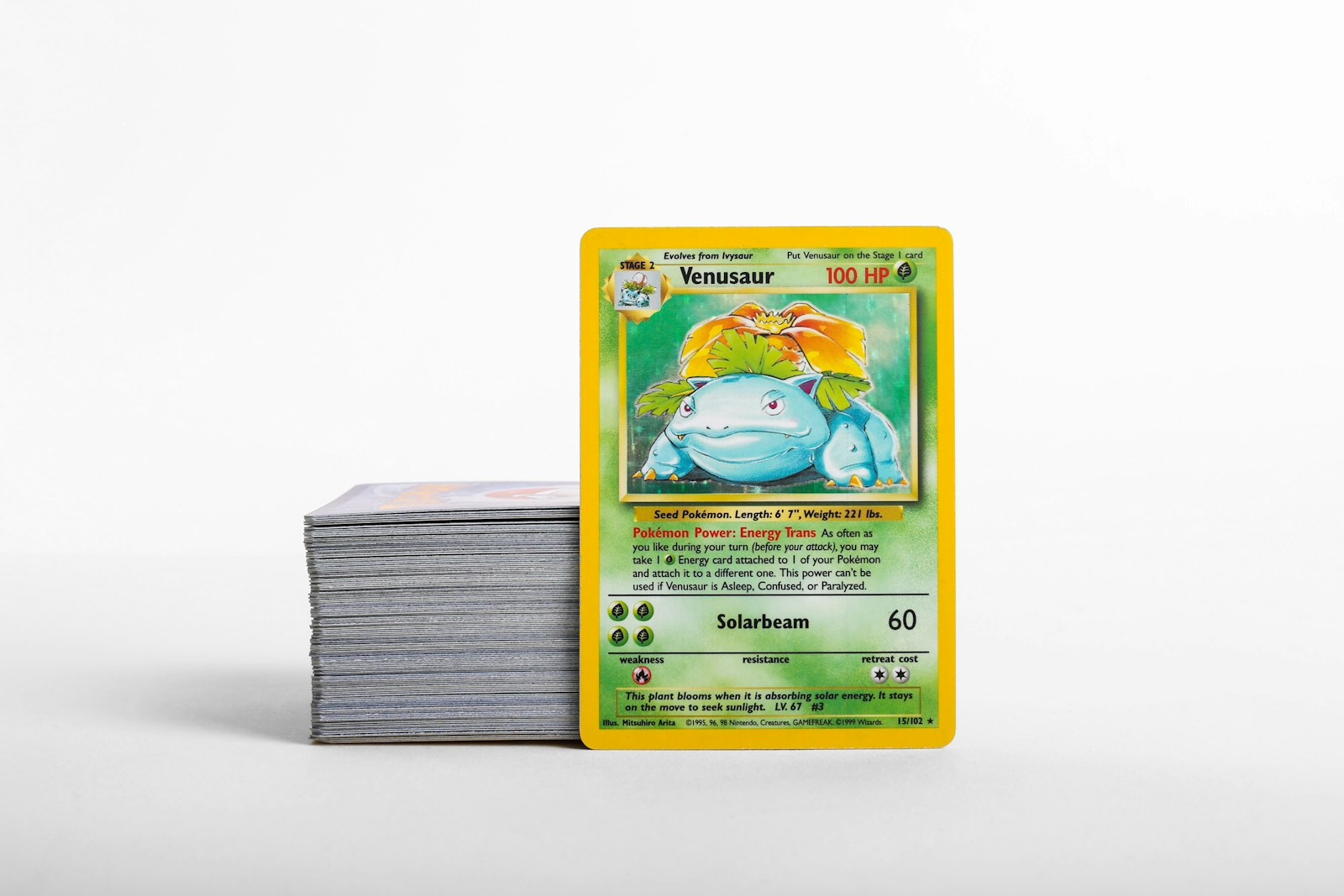
A two-tier protection question, not a debate
The toploader-versus-magnetic-case question is rarely either/or for a working collector. Both formats exist because they protect against different threats at different price points. The mistake is treating them like opposing camps when they should sit at different tiers of the same storage ladder.
A good Pokemon card toploader vs magnetic case guide answers one practical question: for the card in your hand right now, which format earns its slot — and which one is overkill or underkill?
What a toploader actually does well
A toploader is a rigid PVC sleeve that takes a penny-sleeved card and gives it a stiff outer shell. Its job is mostly mechanical — keeping the card from bending, taking the brunt of pressure when stacked, and acting as the standard handoff format for trades and sales.
Toploaders are strong at:
- Bend resistance during stacking, shipping, and handling
- Standardized shipping in rigid mailers — the whole hobby's ship format
- Quick swap in and out without specialty tools
- Cost per card that scales painlessly into hundreds or thousands
- Visibility while still protecting front and back
The how to sleeve Pokemon cards and Pokemon card sleeve types guide cover the penny-sleeve layer that a toploader almost always pairs with — never put a raw card directly into a toploader.
What a toploader does not protect against
Toploaders are open at the top. That single design choice creates the weaknesses serious collectors plan around:
- Dust and lint over time, especially in display
- Sliding out under pressure if not team-bagged
- Surface scuffing from the inner walls if there's no penny sleeve
- Edge dings on the exposed top
- Long-term laminate stress at the open opening
Toploaders are storage and shipping tools, not display tools. If a card is going on a shelf for months, the format should change.
What a magnetic case actually does well
A magnetic one-touch case is two acrylic halves clamped together with magnets, sometimes with UV-blocking material. The card sits sealed inside without sleeve contact at all.
Magnetic cases are strong at:
- Sealing the card from dust, lint, and ambient debris
- UV protection when the case is rated for it
- Display-grade clarity with no PVC frosting
- Premium presentation for trade meetups and shows
- Long-term static protection with no airflow stressing the surface
The Pokemon card display case guide and how to display Pokemon cards without damaging them cover the broader display question; magnetic cases are usually the right answer when display is the goal.
What a magnetic case does not protect against
Magnetic cases solve some problems and quietly introduce others:
- They cost meaningfully more per card than toploaders
- A loose magnet alignment can pinch corners during the close
- They are heavier and bulkier for box storage at scale
- A cheap brand can compress the card under spring tension
- They are not the standard shipping format and need extra protection in transit
A magnetic case is the right call for a small number of cards. A box of three hundred of them is rarely the right call for anyone.
Matching the format to the card
The cleanest mental model is a tier system. Most collectors do not need rules beyond this:
- Bulk and near-bulk: penny-sleeve only, into a Pokemon card storage box
- Trade-ready singles: penny-sleeve plus toploader, ideally team-bagged
- Personal keepers and pulls worth holding: penny-sleeve plus toploader, stored in a deck box or fitted holder
- Display, high-value, and grade-candidate cards: magnetic one-touch case, ideally UV-rated
The Pokemon card investment guide and Pokemon card portfolio tracker guide cover the value-tracking side of the same question — once you know what a card is actually worth to you, the storage tier picks itself.
Cost math collectors actually use
The toploader-versus-magnetic question is partly a budget conversation, and pretending otherwise leads to either over-protected bulk or under-protected hits.
A reasonable starting frame:
- Toploaders cost a few cents per card in volume
- Magnetic cases cost meaningfully more — often a multiple of the toploader cost
- Above a certain card value, the case is cheap relative to the asset
- Below that value, the case is a bigger fraction than the protection benefit justifies
The how to set a Pokemon card collecting budget covers the broader budget framework; this storage-cost layer is one of the easiest places to overspend without realizing it.
Picking the right point thickness
Both toploaders and magnetic cases come in different thicknesses, usually measured in point sizes that match common card configurations.
Practical pairing:
- 35pt toploader / 35pt magnetic — standard single card, the default
- 55pt magnetic — thicker cards, double-sleeved cards, jumbo printings
- 75pt to 130pt magnetic — slabs, very thick promos, oversized printings
- 180pt magnetic — sealed product or specialty pieces
Putting a standard card in an oversized case lets it shift inside, which is worse than a properly fitted toploader. Sizing matters more than brand.
The Pokemon card double sleeving guide covers when double sleeving is appropriate — and when it pushes you out of standard toploader fit.
Shipping considerations
The standard hobby ship format is a penny-sleeved card in a toploader, team-bagged, inside a rigid mailer. Magnetic cases are not the default shipping format.
If you do ship a magnetic case:
- Bag the entire case to keep humidity and contamination out
- Use a larger rigid mailer to give the case room without rattling
- Add foam or bubble around the case to absorb impact
- Verify the buyer expects a magnetic case so they do not assume it is a slab
The how to ship Pokemon cards safely and how to log Pokemon card mail day cover the broader shipping standard and the inspection routine on the receiving end.
A short toploader vs magnetic checklist
Before picking a format for any card, ask:
- Is this card heading to display, storage, shipping, or grading?
- What is the realistic value of this specific copy?
- Will it sit untouched for months, or rotate often?
- Does it need UV protection where it lives?
- Is the format cost-justified relative to the card?
The simple rule
Toploaders win on scale, speed, and shipping. Magnetic cases win on sealing, clarity, and display. The right collector storage strategy is not picking one — it is picking the right format for the right card and not letting habit, brand loyalty, or one bad experience push every card into the same tier. Match the format to the threat and the value, and the storage decision usually answers itself.