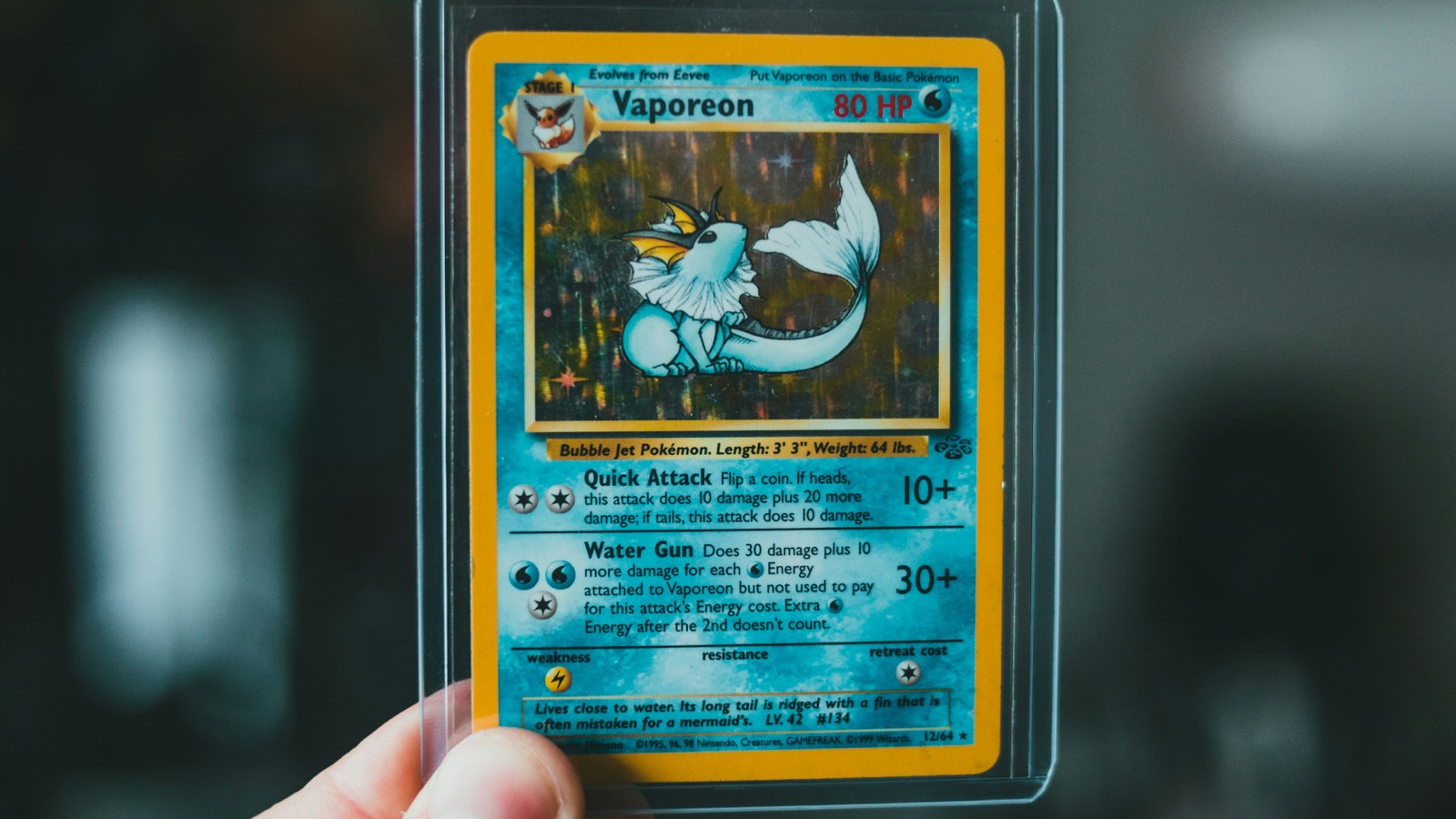
How to Sort Raw Pokemon Cards by Wear to Choose Binders, Toploaders, or Holding Boxes
Every raw Pokemon card that enters your collection requires an immediate decision: how should it be stored? Putting every hit into a rigid magnetic case burns through your budget unnecessarily, while sliding high-value raw cards into loose bulk boxes invites corner dings and surface scratches.
To keep your collection safe and organized, you need a repeatable process for matching physical card condition to the right protection gear. By evaluating wear patterns as soon as cards arrive, you can route clean copies to secure binders, high-end hits to top loaders, and potential submission candidates to a dedicated holding box.
1. Inspecting Card Surface, Edges, and Corners
Before choosing a sleeve or binder slot, you must inspect the raw card under direct, clean light. Condition determines both long-term preservation requirements and market value context.
Focus your inspection on four key physical areas:
- Corners: Look for whitening, fraying, or soft blunt edges caused by pack friction or handling.
- Edges: Check top, bottom, and side borders for chipping, silvering, or minor nicking.
- Surface: Tilt holographic and full-art cards to spot faint hairline scratches, print lines, fingerprints, or factory indentations.
- Structure: Examine the card flat against a desk to identify subtle foil curling, micro-creases, or liquid warping.
Catching these micro-flaws early prevents you from over-protecting heavily worn cards or leaving pristine hits under-protected.
2. Categorizing Cards into Physical Condition Tiers
Once you inspect a raw card, assign it a clear condition category. Standardizing your criteria makes protection decisions automatic.
- Near Mint (NM): Shows virtually no wear. Corners are sharp, edges are clean, and holographic surfaces lack noticeable scratches.
- Lightly Played (LP): Displays minor whitening on rear edges or a couple of hairline surface scratches, but retains strong visual appeal.
- Moderately Played (MP): Features clear edge wear, corner softening, or minor surface scuffs across the artwork.
- Heavily Played / Damaged (HP/DMG): Exhibits severe edge wear, heavy surface scratching, creases, pinches, or liquid staining.
Categorizing cards by wear ensures you do not waste premium supplies on cards that only need basic bulk storage, while ensuring pristine copies get full archival treatment.
3. Matching Protection Gear to Condition Tiers
Different condition tiers require distinct protective setups to prevent further physical degradation while keeping your storage organized.
High-End NM Hits: Top Loaders and Semi-Rigids
Pristine ultra-rares, full-art cards, and high-value chase singles should be double-sleeved with standard soft penny sleeves and placed directly into rigid top loaders or semi-rigid holders. This setup prevents bending and shields edges from pressure.
Clean NM to LP Set Cards: Side-Loading Ringless Binders
Clean NM and solid LP copies targeted for complete set collection belong in archival-safe, side-loading binders with woven backing. Side-loading pockets prevent dust accumulation and keep cards from sliding out during handling. Never use loose three-ring binders with exposed metal rings, as loose pages can pinch card edges.
MP to HP Cards: Soft Sleeves in Storage Boxes
Cards with existing wear do not require rigid top loaders unless you plan to trade them actively. A standard polypropylene penny sleeve placed inside a snug cardboard storage box with labeled dividers provides ample protection against dust and atmospheric exposure without cluttering your binder pages.
4. Digital Intake: Scanning and Logging Condition Notes
Physical protection is only half of the storage equation. If your physical storage does not match your digital records, finding cards or tracking overall collection value becomes frustrating.
When you process incoming cards, use a reliable Pokemon card scanner to capture details instantly. Scanning the card identifies the exact expansion set, set number, and variant within seconds.
As you log new arrivals into your digital inventory, enter condition notes alongside market context. Using a quick Pokemon card price checker allows you to confirm whether a pristine raw pull justifies an immediate upgrade from a binder page to a top loader or slab submission box. Keeping these records accurate prevents duplicate purchases and simplifies future trades.
5. Setting Up a Dedicated "Grade-Later" Holding Box
Many collectors hold pristine raw cards that might be worth submitting for professional grading in the future. Leaving these cards mixed into general trade binders or standard storage boxes creates unnecessary handling risk.
Establish a dedicated "Grade-Later" holding box using these simple steps:
- Use Archival Storage: Select a rigid cardboard or plastic card box sized specifically for top loaders or semi-rigid card savers.
- Standardize Sleeving: Sleeve candidate cards in clear, clean penny sleeves without pulling on corners, then slide them carefully into fresh top loaders or semi-rigid sleeves.
- Add Micro-Condition Notes: Place a removable sticky tab or paper divider next to the card noting specific observations (e.g., "Sharp corners, minor off-centering left-to-right").
- Minimize Handling: Once a card enters the holding box, keep it stationary until you assemble your next submission batch.
Separating prospective grading singles keeps your best raw copies pristine while keeping the rest of your collection accessible for regular browsing.
6. Maintaining Your Storage Setup over Time
Storage setups are not permanent; environmental changes and ongoing collection growth require routine audits.
- Monitor Ambient Conditions: Store binders and storage boxes off the floor in temperature-controlled rooms. Avoid direct sunlight, hot attics, or humid basements that cause foil curling or sleeve clouding.
- Refresh Worn Sleeves: Over time, sleeves accumulate dust, oil, and micro-scratches from page insertion. Replace cloudy sleeves during seasonal binder reviews.
- Update Your App Inventory: As you move cards between binders, top loader boxes, or trade stacks, update your Pokemon collection app to keep physical locations aligned with digital tags.
Streamline Your Protection Workflow with PokeSnap
Sorting raw Pokemon cards by condition keeps your best cards pristine and your storage budget efficient. When you pair a disciplined physical intake routine with immediate digital tracking, managing your growing collection becomes effortless.
With PokeSnap, you can scan raw cards instantly, log condition notes, check market value ranges, and organize your digital binders in seconds. Download PokeSnap today on iOS or Android to keep your collection cataloged, protected, and ready for your next trade or set push!