Cleanup is a collector workflow, not a punishment
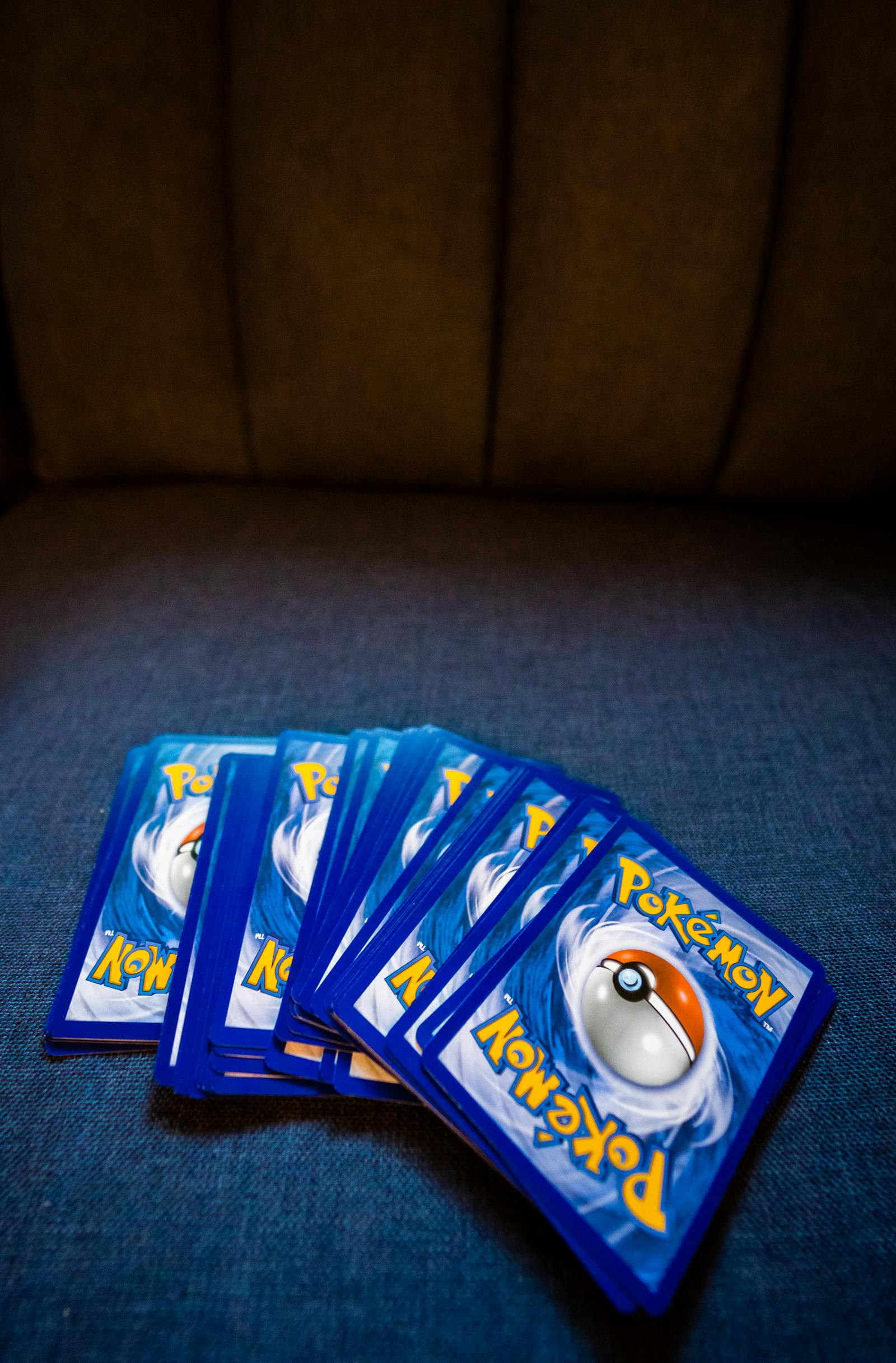
Pokemon card collections get messy naturally. Packs get opened, trades happen, mail arrives, sleeves pile up, and cards drift between binders, boxes, slabs, and sell stacks. A cleanup checklist gives the collection a reset without turning the hobby into a full inventory audit every weekend.
The goal is simple: know what you own, where it is, and what needs action next.
Start with staging zones
Before sorting individual cards, create zones for the jobs you actually need:
- Keep in collection
- Trade
- Sell
- Grade candidate
- Bulk
- Duplicate review
- Needs identity check
- Needs condition check
- Sealed product
This makes the cleanup physical before it becomes digital. You can see the work instead of trying to solve everything one card at a time.
Scan or verify cards that matter
Do not spend the same effort on every common. Focus identity checks on hits, promos, reverse holos, valuable duplicates, graded cards, and anything you may sell or trade. A Pokemon card scanner helps keep the cleanup moving when names, variants, or languages are close.
For confusing cards, use the set symbols and numbers guide before pricing.
Pull duplicates into their own review
Duplicates are where messy collections hide value. One copy may be a keeper, one may be a trade copy, and one may be bulk. Review condition before deciding what to do with each copy.
Use the duplicate tracking guide and avoid stacking meaningful duplicates behind one binder pocket where the better copy disappears.
Separate bulk from action cards
Bulk should not sit in the same pile as cards that need pricing, grading, or trade review. Once bulk is confirmed, box it by set, era, type, or whatever system you can maintain.
The bulk guide helps decide whether bulk is for storage, trade boxes, donation, play, or sale.
Update labels and locations
After cleanup, your labels should match reality. Update binder names, box labels, slab cases, sealed-product shelves, and any digital storage locations. A clean physical system gets weak again if the app still points to last month's locations.
The storage labeling guide covers the labeling side in more detail.
Finish with a short action list
Do not leave cleanup with vague piles. End with a small list:
- Cards to price
- Cards to photograph
- Cards to list
- Cards to grade later
- Cards to trade
- Cards to sleeve or move
A Pokemon card collection app works best when those actions live beside the cards instead of in memory.
The simple rule
A Pokemon card collection cleanup should reduce confusion, not create a new project. Stage by job, verify important cards, review duplicates, separate bulk, update locations, and leave with a short action list you will actually use.