Understanding Surface Vulnerabilities: Why Foil and Texture Need Specialized Protection
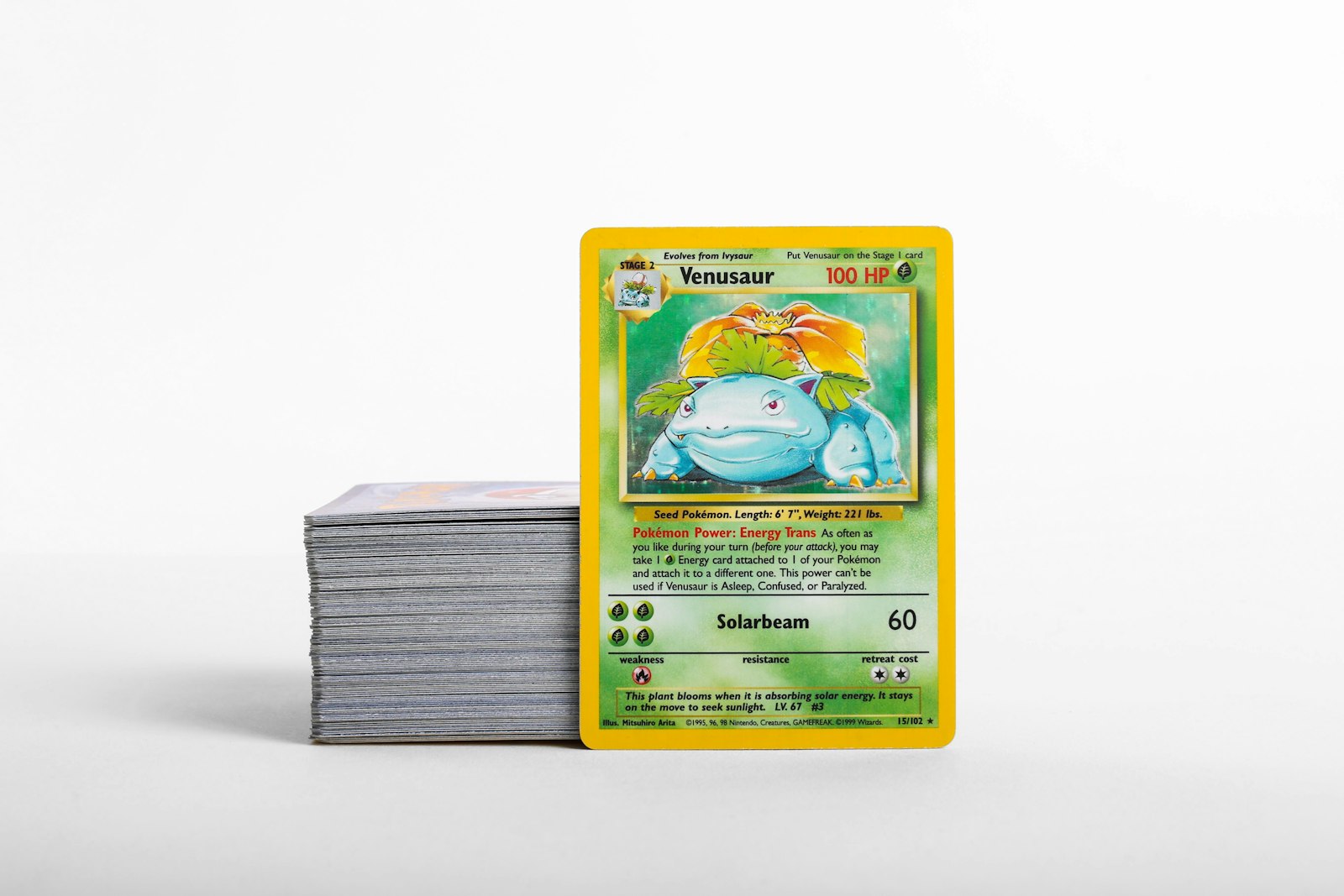
Modern Pokemon trading cards feature complex surface treatments, ranging from smooth rainbow foils and glossy Japanese card stock to deep etchings on Special Illustration Rares. While these finishes make cards visual standouts, they also introduce specific preservation challenges. Standard paper cards resist light surface contact fairly well, but foil layers and textured plastics are prone to micro-scratches, oil retention from fingers, and border whitening if stored improperly.
When a card suffers micro-abrasions on its foil layer, light reflects unevenly across the artwork. Over time, friction against abrasive sleeve materials or tight binder pockets dulls the surface gloss and reduces the visual appeal of raw singles. Matching your storage gear directly to the card's surface sensitivity ensures that delicate holos and ultra rares remain preserved in their true raw condition.
Identifying Micro-Scratching Hazards: Penny Sleeves vs. Perfect Fits
Selecting the right sleeve is the first defense against surface damage, but using the wrong sleeve type can actually cause friction wear during insertion. Collectors frequently choose between soft penny sleeves and snug inner sleeves (perfect fits):
- Standard Archival Penny Sleeves: Best for raw holos, vintage cards, and cards bound for hard plastic storage. Because penny sleeves fit loosely around the standard 2.5 x 3.5 inch dimensions, the card slides in without friction against the borders or foil surface.
- Inner Sleeves (Perfect Fits): Designed for double-sleeving. While ideal for sealing out dust when combined with an outer sleeve, loading a raw card into a tight inner sleeve requires steady pressure on the top edge. If forced improperly, perfect fits can catch on fragile top corners or scrape foil trim.
- Textured Back Sleeves: Matte-backed gaming sleeves prevent cards from sticking together in storage boxes, but ensure the transparent front layer is made of non-PVC, acid-free polypropylene to avoid chemical hazing over time.
For high-end textured cards and delicate holos, single-sleeving in a clean penny sleeve before placing the card into a rigid holder minimizes edge drag and protects the foil layer.
Binder Page Ergonomics: Preventing Edge Pressure and Surface Contact
Binders are the most popular way to store and view a collection, but improper page selection can cause subtle physical wear. Ringed binders, particularly cheap 3-ring formats, pose a known risk: when binder pages shift over the ring mechanism, the inner column of cards can take impact dents or ring pinches.
To protect delicate card surfaces and maintain structural integrity, structure your binder setup around these physical safeguards:
- Use Side-Loading Ringless Binders: Side-loading pockets prevent dust from falling directly into the top opening and eliminate the risk of cards slipping out when turning pages.
- Choose Padded Webbing Backings: High-quality binder pages feature a black micro-textured backing between front and back pockets. This material grips the sleeve, preventing cards from shifting and rubbing against page plastic.
- Avoid Overstuffed Pockets: Stacking multiple cards into a single binder pocket forces the front plastic tight against the surface, accelerating foil friction and bending card stock. Always keep one card per pocket slot.
If you are organizing your binder alongside a digital catalog, using a dedicated Pokemon card scanner allows you to document new hits before sliding them safely behind protective binder film.
Grouping Cards by Physical Condition to Prevent Cross-Card Friction
Mixing cards with varying wear levels in loose storage boxes or bulk trays is a primary cause of accidental surface degradation. A Near Mint raw foil resting directly against a Moderately Played card with rough, exposed paper edges will absorb micro-scratches as the box moves.
Creating physical separation based on card condition protects your pristine singles:
- Pristine and Near Mint Singles: Sleeve immediately upon intake. Store these in individual top loaders or side-loading binder pages separated from raw bulk.
- Lightly Played Singles: Keep in fresh sleeves so white edge flaking does not transfer fiber dust to cleaner cards inside storage boxes.
- Bulk and Played Cards: Keep organized in dedicated card boxes with rigid dividers so heavy stacks do not exert uneven weight on foil surfaces.
Before placing your singles into long-term boxes or trade binders, running cards through a reliable Pokemon card price checker helps you identify which raw copies carry enough collector demand to warrant top loader upgrade tiers.
Managing Humidity and Temperature to Stop Foil Curl Before It Starts
Foil curling occurs because the paper backing and the metallic foil top layer react differently to moisture in the air. Paper fibers absorb environmental humidity and expand, while the foil layer remains rigid, pulling the card into a convex or concave bend.
Preventing foil distortion requires proactive environmental controls:
- Maintain Moderate Humidity: Keep storage areas around 40% to 50% relative humidity. High humidity accelerates curling, while overly dry air can render vintage paper stock brittle.
- Use Silica Gel Desiccants: Place food-safe silica packets inside sealed storage bins to absorb excess moisture spikes. Replace or reactivate these packets periodically.
- Keep Away from Direct Heat and Light: Sunlight degrades colored inks over time and warms binder pages, causing sleeve plastics to soften and adhere to smooth card surfaces. Store binders upright on interior shelves away from windows and exterior walls.
If a card shows minor curling, placing it inside a penny sleeve and laying it flat under a heavy binder inside a climate-controlled room will gradually flatten the paper stock without damaging the foil finish.
Digital Condition Logging: Archival Tracking with PokeSnap
Maintaining a physical collection requires clear documentation so you never have to pull cards out of protective sleeves just to double-check condition notes or set numbers. Repeatedly removing cards from binders or top loaders increases the risk of thumb smudges, corner snags, and surface scratches.
By digitizing your portfolio using a mobile Pokemon collection app, you can attach condition tags—such as Near Mint, Lightly Played, or minor surface scratching—directly to your digital entry. This allows you to review your binder gaps, grade targets, and storage locations straight from your phone while your raw cards remain untouched and safely stored.
Final Protection Checklist for Collectors
Before closing up your storage boxes or placing new cards into binder pages, run through this quick preservation checklist:
- [ ] Are all raw cards housed in acid-free, non-PVC sleeves?
- [ ] Have high-value holos and textured cards been isolated in rigid holders or side-loading binder pages?
- [ ] Are binder pages free of ring-pinch risks and overstuffed pockets?
- [ ] Is your physical storage housed in a cool, dark room with controlled humidity?
- [ ] Have you logged physical condition details into your digital catalog to minimize unnecessary physical handling?
By matching storage gear directly to surface vulnerabilities and keeping accurate digital records, you ensure your card collection stays protected, organized, and beautifully preserved for years to come. Scan your collection today with PokeSnap to catalog your cards, track condition notes, and manage your inventory effortlessly right from your phone.