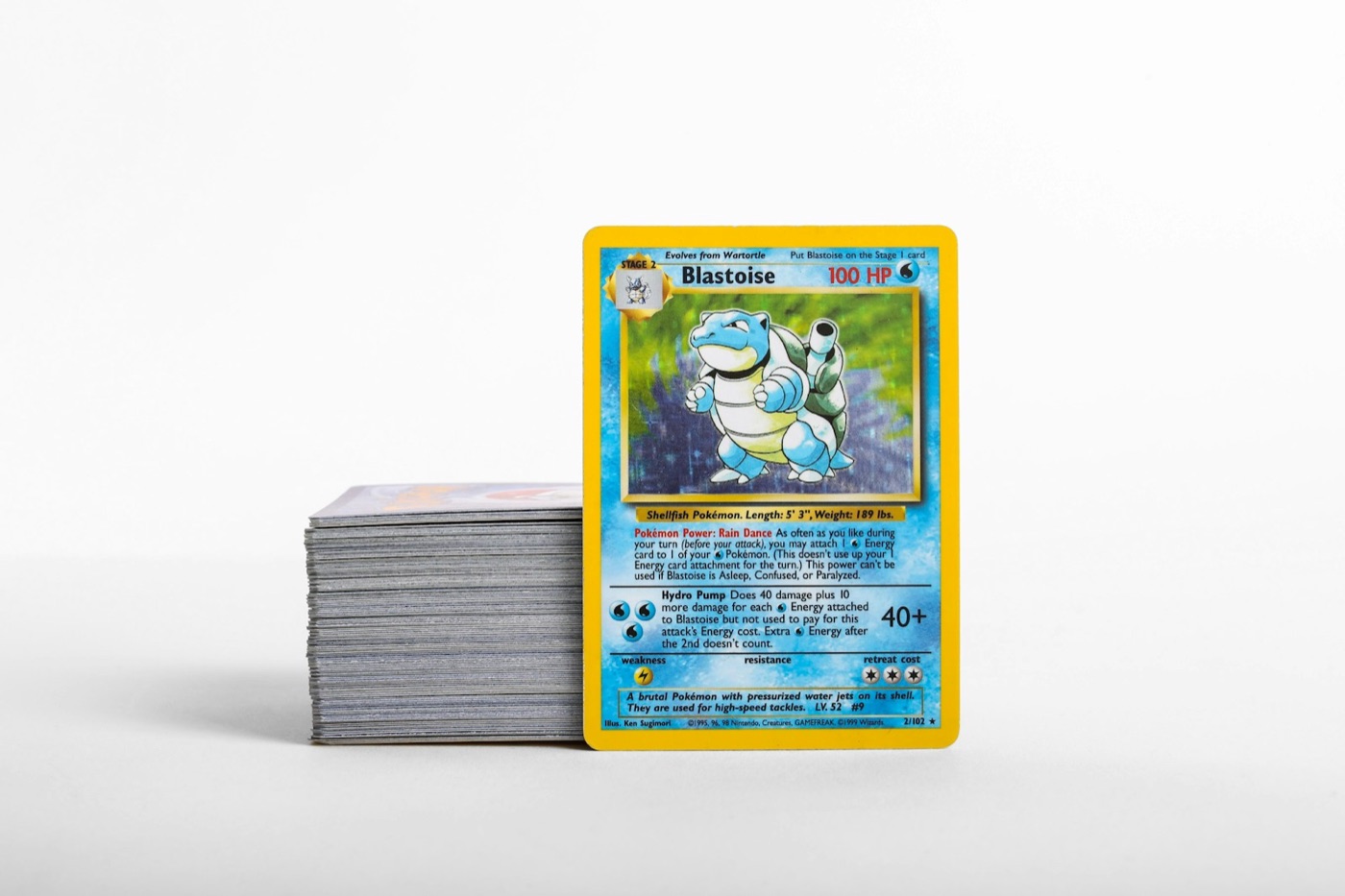
Managing a Pokemon card collection that spans multiple eras is one of the most satisfying parts of collecting—and one of the fastest ways to end up with inventory chaos. A single desk session might involve filing vintage WOTC holos, cataloging Sun & Moon era Ultra Rares, and sorting stacks of pack-fresh Scarlet & Violet bulk. Without a structured workflow, cards end up mixed together in temporary boxes, duplicate counts get bloated, and set progress tracking breaks down.
Building a clean organizational system does not require endless hours of manual work. By establishing clear physical intake stages and integrating a reliable Pokemon collection app, you can keep every era sorted, cataloged, and easy to retrieve.
Why Mixed-Era Collections Create Inventory Bottlenecks
Vintage and modern cards carry completely different storage and cataloging needs. Vintage singles often require close condition checking, individualized protective gear, and dedicated binder placements. Modern sets, on the other hand, produce high volume—dozens of reverse holos, parallel foils, secret rares, and game-ready bulk per booster box opening.
When collectors try to file both eras using a single unsorted pile, three main bottlenecks occur:
- Condition confusion: High-value vintage cards get exposed to repeated handling while you sort through piles of modern bulk.
- Searchability loss: Finding a specific reverse holo or alternative art card requires flipping through random storage boxes because physical organization fell behind digital records.
- Duplicate overcounting: Without an immediate digital record upon intake, you end up buying copies of cards you already own tucked away in unindexed stacks.
Solving these bottlenecks starts with separating your physical workflow into logical, repeatable passes before cards ever go into permanent storage.
The Three-Pass Sorting Routine for Multi-Era Cards
To move cards quickly from unsorted piles into their final homes, use a three-pass staging method. This routine ensures no card is handled more than necessary and prevents fragile cards from sitting unprotected.
Pass 1: Broad Era and Format Triage
Clear off a clean desk surface and sort your incoming cards into four main physical stacks:
- Vintage Raw (Base Set through EX Series): Requires immediate soft sleeving and condition inspection.
- Mid-Era & Modern Hits (Ultra Rares, Illustration Rares, Secret Rares): Requires penny sleeves and semi-rigid holders or top loaders depending on storage format.
- Set Fillers & Holos (Uncommons, Commons, Reverse Holos): Grouped by release block for systematic binder indexing.
- Bulk Commons/Uncommons: Moved straight into labeled storage boxes for bulk trades or secondary sorting.
Pass 2: Set and Number Sequence
Take your grouped stacks and arrange them numerical order by set symbol and card number. For modern sets, keep main set numbers (e.g., 001/198) separate from secret rare subsets (e.g., 201/198) to keep binder loading intuitive.
Pass 3: Digital Intake Scanning
Before placing cards into binder slots or storage boxes, record them digitally using a fast Pokemon card scanner. Scanning cards at this stage captures set identifiers, card numbers, and print variations instantly, creating a clean record that matches your physical order.
Digital Scanning as the Hub for Vintage and Modern Cards
Manual spreadsheets quickly fail when managing mixed-era cards because set symbols change, card numbers reset with every set, and Japanese parallel prints require different naming conventions. A dedicated visual scanning system eliminates input errors and speeds up cataloging.
When scanning your cards, adopt a standard intake procedure:
- Scan in bright, indirect light: Avoid harsh overhead glare that hides set symbols or causes camera misreads on glossy holo surfaces.
- Confirm exact set variants: Double-check that reverse holos, promo stamps, and regional prints are assigned to the correct set entry in your digital database.
- Log language distinctions immediately: If your collection includes non-English cards, make sure to scan Japanese Pokemon cards into their dedicated set lists so card values and completion metrics stay accurate.
By building digital records during physical sorting, your phone becomes a searchable index of your entire physical setup.
Structuring Binders and Storage Boxes by Era and Expansion
Once cards are scanned and sequenced, they need a logical physical location. The best physical layout depends on how you browse and enjoy your collection.
| Storage Format | Recommended Content | Sleeve Requirement | Organization Method | | :--- | :--- | :--- | :--- | | Ringless Master Binders | Full expansion sets, Master Sets | Penny Sleeve / Perfect Fit | Set number order with empty slot placeholders | | Theme / Era Binders | Vintage WOTC, Favorite Pokemon lines | Soft Sleeve + Toploader | Chronological or Pokedex order | | Toploader Storage Boxes | High-value hits, grading candidates | Perfect Fit + Toploader | Sorted by Era and Set code dividers | | Bulk Storage Boxes | Extra commons, uncommons, duplicates | Unbound / Paper Dividers | Block / Set order for quick retrieval |
For master set collectors, leave empty slots in your binder for missing cards. Using your digital inventory checklist, you can instantly see which specific card numbers are missing without pulling binder pages apart later to insert new finds.
Handling Special Exceptions: Promos, Variants, and Japanese Singles
Mixed-era collections frequently run into oddball cards that do not fit standard expansion numbering. Having pre-set rules for these cards keeps your system from cluttering up.
- Black Star Promos: File promos in a dedicated Promo Binder organized by era (WOTC, Nintendo EX, Diamond & Pearl, Black & White, XY, Sun & Moon, Sword & Shield, Scarlet & Violet). This avoids breaking the sequence of main expansion sets.
- Japanese Exclusive Sets: Japanese expansions feature distinct set sizes, different reverse foil patterns (such as Poke Ball and Master Ball reverses), and unique promo series. Keep Japanese singles in dedicated binder sections rather than mixing them into English expansion slots.
- Condition Variants: If you upgrade a binder copy to a cleaner condition copy, route the secondary card immediately to a labeled trade pile or duplicate box. Update your Pokemon card price checker logs to ensure your portfolio valuation reflects the current condition of your primary binder copy.
Establishing a Monthly Reconciliation Routine
Even the best organization system drifts over time if new purchases, trade night pickups, and pack openings are not reconciled. Set aside 15 to 30 minutes at the end of each month to audit your storage desk.
During your audit:
- Scan and file any loose cards left in temporary desktop staging trays.
- Verify that trade pile removals are subtracted from your digital app balances.
- Replace any worn or foggy penny sleeves on high-browse binder pages.
- Review missing set lists in your digital app to update your single-card purchase target list for upcoming shows.
A light, regular review keeps your inventory accurate and ensures opening packs stays fun rather than turning into cleanup work.
Streamline Your Inventory Workflow with PokeSnap
Organizing a multi-era collection doesn't have to take over your weekend. PokeSnap gives you the mobile tools to scan cards rapidly, identify obscure set variants, verify real market comps, and maintain an accurate digital index of your entire physical collection.
Whether you are building a vintage Base Set binder or tracking down missing Scarlet & Violet illustration rares, download PokeSnap today to organize your collection, remove inventory clutter, and spend more time enjoying your cards.