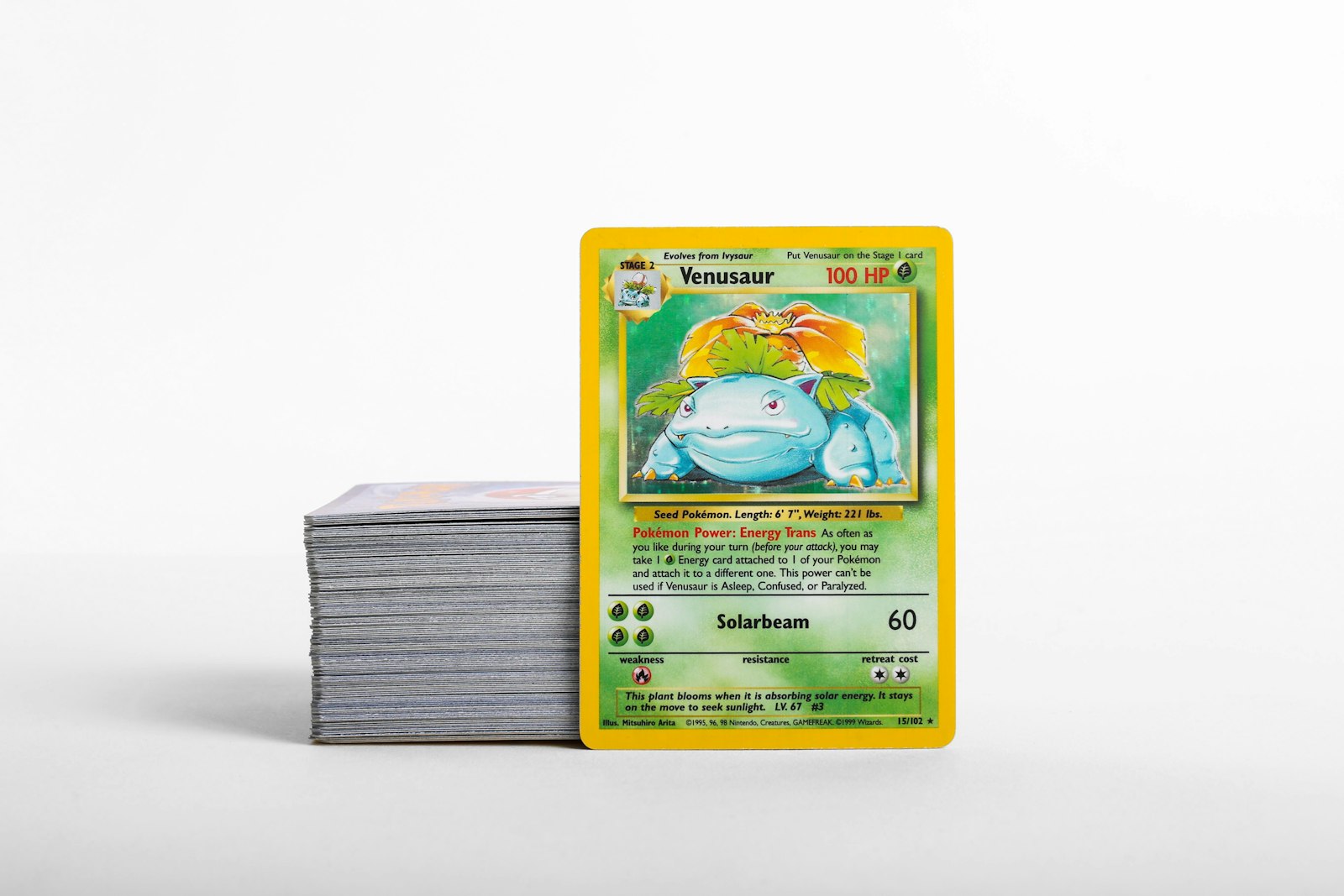
Protecting a Pokemon card collection is one of the most satisfying parts of the hobby, but it can quickly become expensive. If you put every single card you pull into a rigid plastic toploader, you will soon spend more on plastic than on the cards themselves. Conversely, leaving a rare, pristine card in a loose cardboard box invites edge wear, scratches, and warping.
To build a smart preservation plan, you must match a card's physical condition and rarity to the correct level of protection. By organizing your storage based on these factors, you preserve your cards' physical state while keeping your hobby budget under control.
The Golden Rule: Assess Before You Store
Before you place any card into a protective sleeve or binder page, you must inspect its current condition. Trapping dust, grit, or moisture inside a sleeve can actually accelerate damage over time. When you slide a card into a tight sleeve with a piece of hard debris trapped inside, that debris can press into the card stock and cause a permanent dent or scratch.
Start by placing the card on a clean, dry, non-textured surface. Inspect the surface under a bright, direct light source. If you spot dust or loose particles, gently blow them away or use a clean, dry microfiber cloth to lift them off without pressing down.
Once the card is clean, identify its exact printing and rarity. You can use a mobile pokemon card scanner to instantly identify the card, which helps you understand its place in your collection before you commit to a specific storage method.
Level 1: Penny Sleeves and Bulk Boxes
Penny sleeves are the foundation of card protection. Made of thin, clear, acid-free polypropylene, they protect the delicate surface of a card from fingerprints, dust, and light friction.
- Best For: Common cards, uncommon cards, non-foil rares, and reverse holos that you want to keep organized.
- The Setup: Place the card gently into a penny sleeve, ensuring you do not catch or bend the corners on the entry edge. Once sleeved, these cards can be stored standing upright in acid-free cardboard bulk boxes.
- Why it works: Penny sleeves prevent cards from rubbing against one another when you flip through bulk boxes. This simple barrier stops surface scratching and minor edge wear at a very low cost per card.
Level 2: Binders and Deck Protectors
Binders are perfect for cards you want to view regularly, such as set completion runs or favorite artwork collections. However, not all binders are created equal. Avoid three-ring binders with metal rings, as the rings can easily pinch and dent the inner columns of cards when the binder is closed.
- Best For: Holofoil rares, ultra rares, and cards with moderate play wear that you still want to display.
- The Setup: Use a side-loading binder with built-in, padded pages and an elastic strap or zipper closure. Before sliding a card into a binder slot, always place it in a penny sleeve or a standard-size deck protector sleeve. This provides double protection against dust and sliding.
- Why it works: Side-loading slots prevent cards from falling out of the top of the binder when it is carried or turned upside down. The backing material of modern binder pages provides a soft cushion that keeps cards flat and reduces the risk of warping.
Level 3: Toploaders and Double-Sleeving
When a card has significant value or is in exceptionally clean, unplayed condition, it deserves rigid protection. Toploaders are thick, semi-rigid plastic holders that prevent cards from bending, creasing, or suffering impact damage.
- Best For: Secret rares, special illustration rares, vintage holos, and any card you are considering submitting for professional grading.
- The Setup: First, place the card into a perfect-fit sleeve from the top down. Next, slide that sleeved card into a standard penny sleeve from the bottom up. This "double-sleeving" technique seals the card on all four edges, blocking out air and moisture. Finally, slide the double-sleeved card into a clean, rigid toploader.
- Why it works: The combination of a soft inner sleeve and a rigid outer shell creates an airtight barrier that stops environmental warping (foil curl) while protecting the card from drops, bends, and heavy handling.
Level 4: Magnetic One-Touch Cases
Magnetic one-touch cases offer the ultimate presentation for raw cards. They feature a solid plastic frame held together by a strong magnet at the top, giving raw cards a premium, slab-like appearance.
- Best For: Your absolute favorite personal chase cards, high-value singles, and display pieces that live on a shelf or desk.
- The Setup: Choose a magnetic case with a recessed corner design. This ensures that the delicate corners of the card do not touch the hard plastic frame. Most magnetic cases require you to place the card in a specialized perfect-fit sleeve first to prevent the card surface from rubbing against the plastic cover.
- Why it works: Magnetic cases offer excellent structural protection and often include UV-blocking additives to protect the card's ink from fading under indoor lighting. They are highly stackable and make it easy to show off your collection without risking physical wear.
Matching Value to Protection
To keep your storage system organized, it is helpful to establish clear value and condition thresholds. Before you buy expensive plastic cases, verify the current market value using a pokemon card price checker to see if the card truly warrants the extra protection cost.
Here is a simple framework you can use to tier your protection strategy:
| Card Type / Value | Recommended Sleeve | Outer Protection | Storage Location | | :--- | :--- | :--- | :--- | | Bulk Commons / Uncommons | None or Penny Sleeve | Cardboard Bulk Box | Storage Closet | | Mid-Range Holos / Promos | Penny Sleeve | Side-Loading Binder | Bookshelf | | High-Value Hits / Alt Arts | Perfect Fit + Penny Sleeve | Rigid Toploader | Toploader Box or Safe | | Grail Cards / Personal Favorites | Perfect Fit Sleeve | Magnetic One-Touch Case | Display Stand / Vault | | Played Vintage Cards | Penny Sleeve | Binder Page | Bookshelf |
By keeping your physical storage aligned with these tiers, you can easily prioritize which cards need the most care. To keep track of where everything is, log your cards into a digital pokemon collection app. This allows you to view your entire inventory, monitor values, and note which cards are stored in binders, boxes, or display cases without having to pull them off the shelves.
Environmental Safeguards for Long-Term Storage
Even the best sleeve and toploader combination cannot protect a card from extreme environmental changes. High humidity causes paper fibers to expand, resulting in the classic "foil curl" seen on modern holographic cards. Dry air can make older card stock brittle.
Store your binders and boxes in a climate-controlled room, away from exterior walls, heating vents, and direct sunlight. If you store your cards in plastic storage bins, consider throwing in a few silica gel packets to absorb any excess moisture that might get trapped inside. For more tips on managing your cards safely, you can check out our blog for updated preservation advice.
Protect Your Collection with PokeSnap
As your collection grows, keeping track of card conditions, values, and storage locations can become a challenge. The PokeSnap app makes it easy to catalog your cards instantly. Simply scan your cards with your phone's camera to identify the set, check current market values, and add them to your digital inventory. Download PokeSnap today on iOS or Android to simplify your collection management and keep your cards protected.