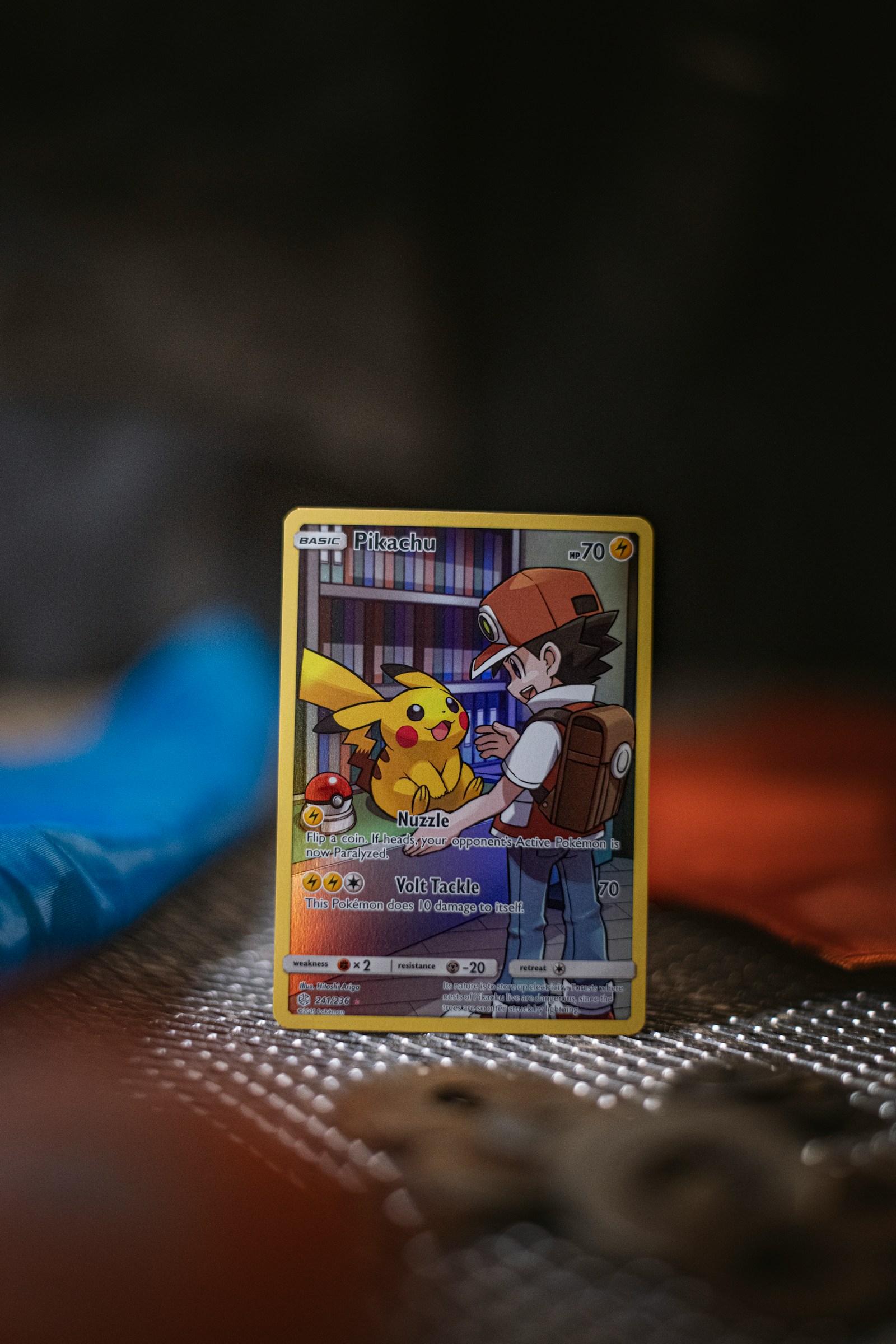
Completing a Pokemon card set through booster packs alone is an expensive, unpredictable process. As an expansion progresses from common bulk to elusive Special Illustration Rares, the probability of pulling the exact missing singles drops sharply. Many collectors end up with duplicate ultra rares, duplicate reverse holos, and piles of tradeable singles sitting idly in secondary binders while set gaps remain open for months.
A trade-to-complete strategy shifts your collecting approach from random pack rips to targeted inventory swaps. By using a modern Pokemon card scanner app, you can quickly identify the true value of your extra cards, index missing set slots, and convert dormant duplicates into the exact cards needed to finish your binder.
Why Trading Duplicates is the Fastest Way to Complete Pokemon Sets
Opening booster boxes is exciting, but chasing the final 10% of a modern expansion through sealed product creates massive inventory inefficiency. You accumulate heavy bulk, duplicate Illustration Rares, and mid-tier Holo Rares that take up storage space without bringing you closer to a completed set.
Direct trades bypass market friction and preserve your collecting budget. When you trade duplicate hits for cards on your want list, both collectors gain equal utility. The key to successful trading is knowing the precise identity, printing variation, and market condition of every extra card in your binder before you sit down across from another trader.
Auditing Your Trade Pile: Scanning Extras to Identify Real Value
Before bringing your duplicates to a local trade night or store event, you need a clear visual index of what you own. Unorganized trade binders slow down negotiations and make it easy to miss high-value variants hiding among standard holos.
- Scan Every Extra Card: Pass your raw duplicates through a reliable visual scanner to confirm set numbers, secret rare indicators, and promo stamps.
- Catalog Card Conditions: Note subtle surface wear, corner whitening, or foil scratches on raw singles so you can value them accurately during a deal.
- Group by Value Tiers: Separate your high-end chase duplicates from mid-tier hits and low-value holos. This structure helps prospective trade partners browse efficiently.
Using a unified Pokemon collection app allows you to carry your entire inventory on your smartphone, making it easy to show prospective partners exactly what you have available for trade without flipping through dozens of physical binder pages.
Organizing Missing Set Gaps Before Going to Trade Meetings
A successful trade-to-complete strategy requires knowing your exact missing set numbers before negotiations begin. Guessing whether you need a specific reverse holo or alternate print often leads to duplicate purchases or missed opportunities.
- Map Expansion Numbers: Maintain an itemized list of unfilled binder slots ordered by set number.
- Differentiate Variants: Distinguish between standard holos, reverse holos, and stamped promos so you do not trade for a card version you already possess.
- Prioritize High-Impact Gaps: Decide whether your goal for the trade session is filling low-end common and uncommon gaps or trading up toward major chase cards.
Having your set gaps clearly structured prevents impulse swaps and ensures every trade directly advances your set completion goals.
Evaluating Fair Trade Spreads Between Raw Singles and Set Hits
Negotiating trades without real-time market comps can cause disagreement or unfair exchanges. Pricing individual singles correctly ensures both sides leave the table satisfied.
When preparing a trade, open a dedicated Pokemon card price checker to look up historical market ranges for both your trade offers and the incoming singles. Compare raw cards of equal condition tier rather than relying on listing prices from unverified online sellers. If a value imbalance exists—such as trading three mid-tier ultra rares for one high-tier chase card—calculate the trade spread cleanly so you can balance the deal with smaller filler cards or cash adjustments.
Managing Cross-Language Duplicates When Swapping for Expansion Gaps
Modern Pokemon collectors frequently collect across multiple languages, combining English main sets with Japanese expansions. Japanese prints often feature distinct foil patterns, different pull distributions, and unique promo releases that affect trade values differently than their English counterparts.
When scanning Japanese Pokemon cards in your trade binder, pay close attention to set symbols, card numbers, and print quality. Japanese cards generally command different price baselines depending on texture depth and release timing. Clearly labeling your Japanese duplicates in your digital catalog ensures you compare them against correct market comps rather than assuming parity with English cards.
Establishing a Friction-Free Trade Night Workflow
Attending local trade meets or card shows can be fast-paced. Having a systematic trading routine keeps your binder organized and prevents physical damage to your cards.
- Keep Personal Binders Separate: Maintain one binder exclusively for trade inventory and keep your master set binders safely at home or zipped in your bag.
- Use Fresh Sleeves: Keep trade cards in clean penny sleeves or top loaders. Damaged or cloudy sleeves make cards look worn and harder to inspect.
- Verify Inputs and Outputs: Before finalizing any trade, re-inspect incoming cards for surface creases or edge whitening under direct light.
A clean, transparent trade workflow builds trust with local collectors and establishes you as a reliable trading partner for future set releases.
Tracking Trades and Updating Your Digital Binder in Real Time
The moment a trade is finalized, update your collection records. Failing to log incoming cards immediately leads to duplicate trades later in the week or inaccurate set gap checklists.
Remove the traded duplicates from your digital inventory, log the new additions directly into your master set checklist, and verify your remaining set completion percentage. Keeping your physical binders and digital tracker in sync guarantees that every trade night brings you one step closer to a finished, beautiful set.
Ready to finish your master sets faster? Download PokeSnap to scan your cards instantly, check real-time market pricing, and manage your missing set gaps directly from your phone.