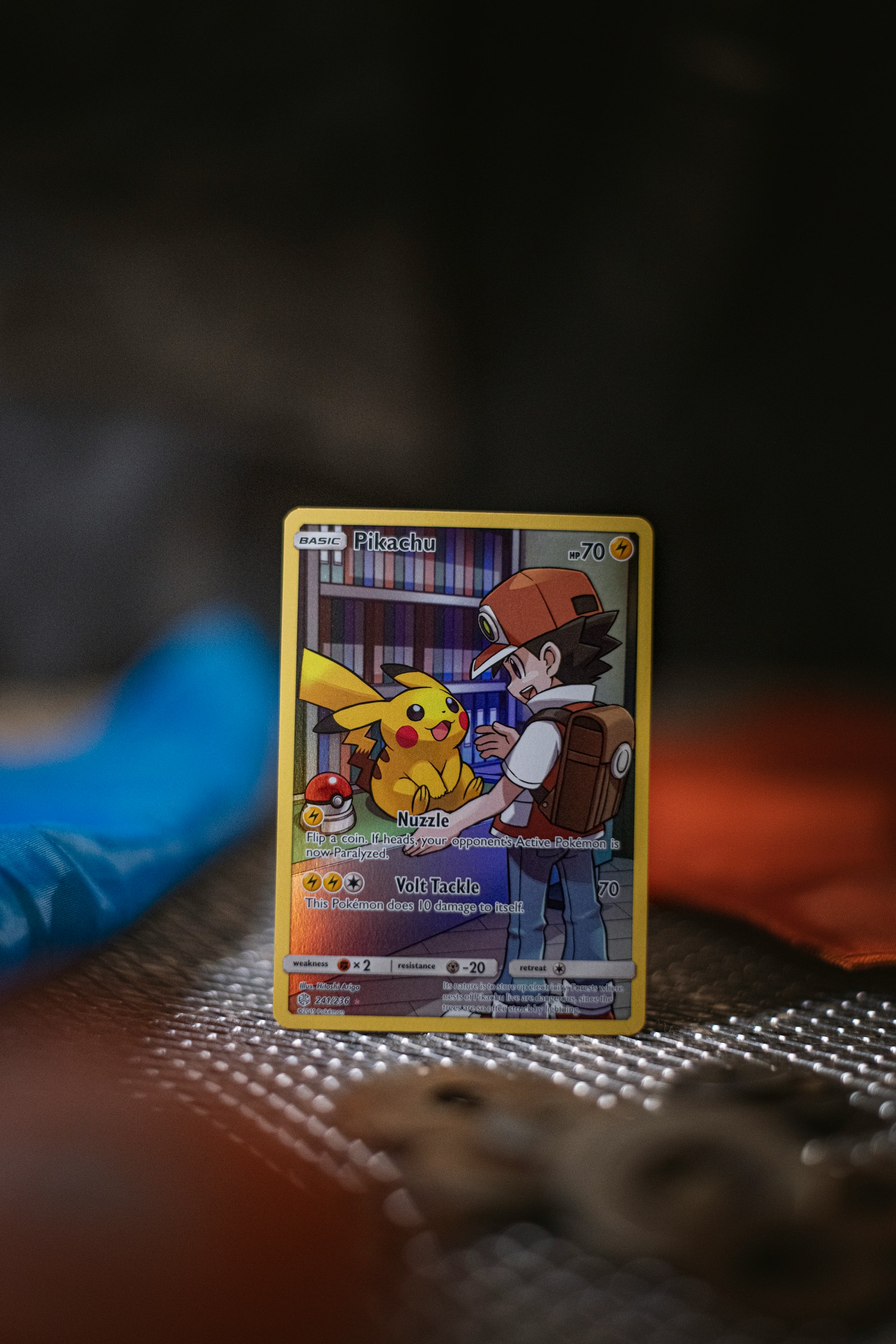
Trading up works best with a clear goal
A Pokemon card trade up strategy is not just swapping many cards for one expensive card. It is a way to move collection value out of duplicates, stale wants, and low-priority hits into cards that fit your long-term goals.
The cleaner the goal, the easier the trade becomes.
Start with cards you can actually move
Build a trade-up pile from cards you would not miss:
- Duplicate pulls
- Lower-condition extras
- Cards outside your main set goals
- Hits from Pokemon you do not collect
- Graded cards that no longer fit your plan
Do not include cards only because they are temporarily down in price. If you still want the card, keep it out of the trade pile.
The wishlist cleanup routine helps decide what belongs in the pile.
Price both sides honestly
Trade-up deals fail when one side values every card at the highest listing price. Use recent sold prices, condition, language, grade, and liquidity. A stack of hard-to-sell cards should not be valued like cash.
Before offering, check:
- Recent sold prices
- Raw or graded condition
- Fees avoided by trading
- Shipping or meet-up cost
- Whether either side needs cash added
The trade value guide and comps mistakes guide keep the math grounded.
Trade toward collection impact, not only price
A successful trade-up should make the collection easier to enjoy. Good targets include a missing set card, a cleaner copy of a favorite Pokemon, a card you would display, or a grading candidate you have wanted for a while.
If the target is only more expensive but not more meaningful, the trade may not improve the collection.
Inspect condition before agreeing
When trading up, the target card carries most of the value. Check front, back, corners, surface, centering, whitening, print lines, and photos before agreeing. For slabs, confirm cert number and case condition.
Use the delivery inspection checklist even when the card changes hands locally.
Record the trade like a sale
After the trade, update every card that left and every card that arrived in your Pokemon card collection app. Record trade date, partner, estimated values, cash added, and storage location.
This prevents duplicates from staying in inventory and keeps cost basis readable later.
The simple rule
A Pokemon card trade up strategy should move duplicate or lower-priority value into cards that match real collection goals. Price both sides honestly, inspect the target carefully, and record the trade so the collection stays accurate.