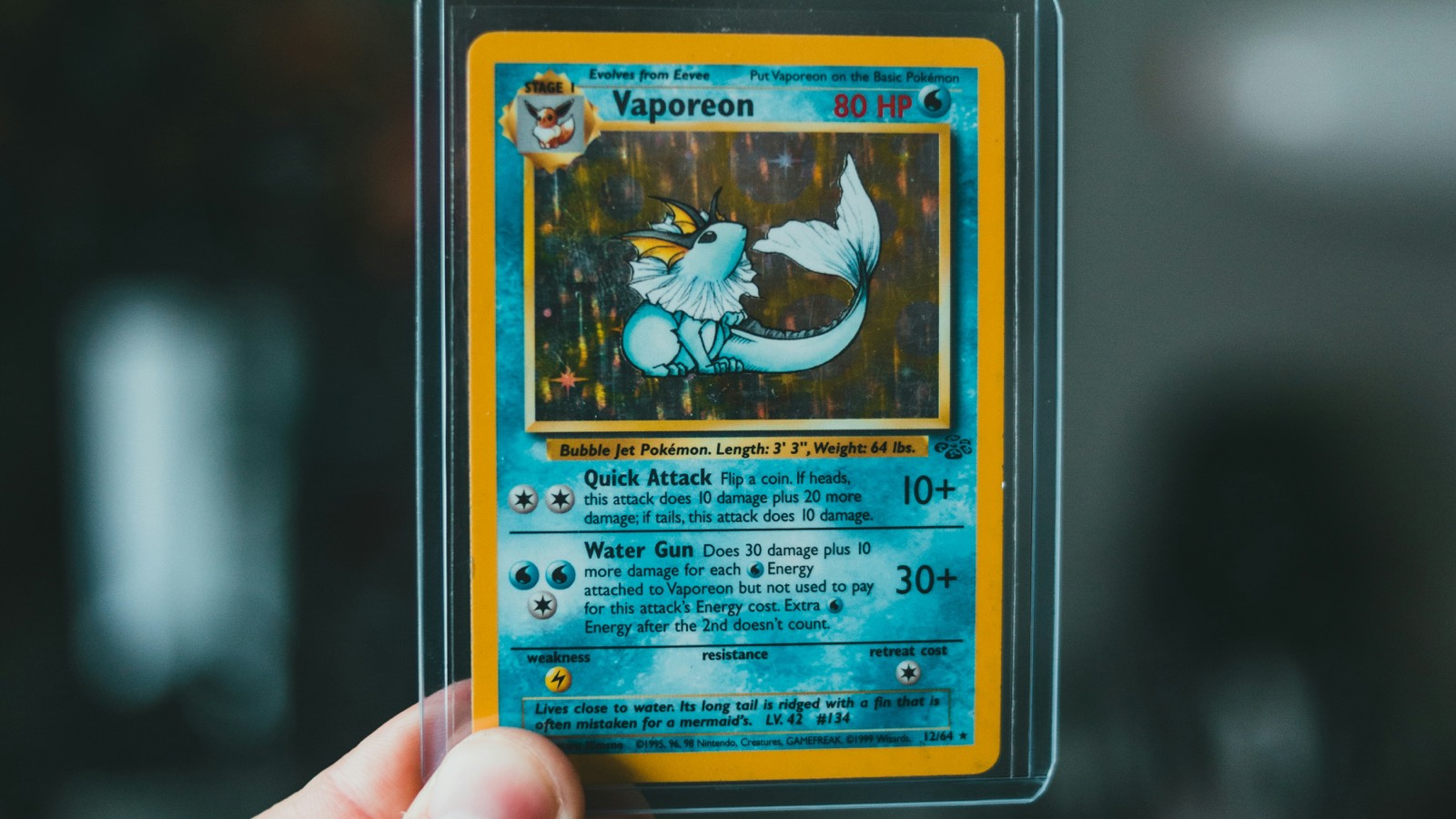
Every time you pull a rare card or acquire a new vintage single, you face an immediate decision: how should you store it? Storing every card in a heavy plastic case is expensive and space-consuming, while throwing valuable hits into a loose cardboard box invites irreversible damage.
To preserve your collection's physical integrity and value, you must match the physical wear of a card with the appropriate level of protection. By systematically evaluating surfaces, edges, and corners, you can allocate your protection budget wisely.
This guide explains how to inspect raw cards for physical wear and select the safest storage gear—from penny sleeves to hard cases—without overspending.
The Fast Answer: How to Match Wear to Storage Immediately
If you need to make quick storage decisions during a sorting session, use this physical-to-storage mapping system:
- Pristine to Near Mint (No visible flaws, perfect edges, clean surface): Double-sleeve immediately using a perfect-fit sleeve and a standard deck sleeve, then store in a side-loading binder or a premium toploader.
- Lightly Played (Minor silvering, tiny corner white spots, faint surface hair scratches): Single-sleeve in a high-quality penny sleeve or deck sleeve, then store in a side-loading binder.
- Moderately Played (Visible edge whitening, minor corner fraying, light scuffing): Single penny sleeve, stored in a structured card storage box with dividers to prevent shifting.
- Heavily Played to Damaged (Creases, deep scratches, heavy whitening, warping): Single penny sleeve, stored in a bulk storage box. No need to waste expensive toploaders on cards whose structural integrity is already compromised unless they hold extreme historical value.
Before you file your cards away, using a pokemon card scanner can help you identify the card and log its initial condition in your digital inventory. This ensures you always know which box or binder contains which condition tier.
Inspecting the Surface: When Scratches and Dents Demand Hard Cases
Surface wear is often the hardest type of damage to spot under normal room lighting, yet it is the most common reason card condition degrades over time. Minor scratches, print lines, and tiny indentations can occur simply from cards rubbing against one another inside a loose deck box or binder pocket.
To inspect a card's surface, hold it at a 45-degree angle under a direct, bright desk lamp. Slowly rotate the card to let the light glide across the surface. Look for:
- Hairline scratches: Fine lines on the holo foil or the back blue border.
- Dents or dimples: Small pressure marks caused by fingernails, playmat debris, or binder rings.
- Foil dulling: Cloudiness on the front of the card caused by dirt, oils, or moisture.
If a card's surface is pristine, it is highly vulnerable to pressure. Any card with a flawless surface should be placed in a penny sleeve and a rigid toploader or a magnetic one-touch case. The hard outer shell prevents physical pressure from creating new dents or scratches during handling.
Edge and Corner Analysis: Selecting Binders vs. Boxes
Edges and corners are highly susceptible to friction. When raw cards are slid in and out of tight plastic pockets or handled frequently, the paper layers can split, revealing the white paper stock underneath. This is commonly referred to as "whitening" or "chipping."
To evaluate edges and corners, flip the card over to its back side. The dark blue border makes physical wear incredibly obvious. Look closely at the four corners and the four straight edges:
- Corner fraying: Look for soft, fuzzy corners where the paper layers are starting to separate.
- Edge chipping: Look for small specks of white along the blue borders.
If the back of your card shows absolutely zero whitening, it is a prime candidate for a high-quality, side-loading binder. However, if the card already has moderate edge wear, placing it in a tight binder pocket might actually worsen the fraying over time. For moderately worn cards, a standard penny sleeve combined with a sturdy storage box featuring vertical dividers is often the safest, lowest-friction option.
The Role of Sleeves: Perfect Fit, Penny Sleeves, and Double Sleeving
Sleeves are your first line of defense against dust, moisture, and surface friction. However, not all sleeves serve the same purpose. Choosing the wrong sleeve can actually damage your card during insertion.
#### Penny Sleeves Penny sleeves are loose, thin plastic sleeves. They are perfect for bulk cards, holos, and mid-tier hits. Because they are slightly oversized, they put zero pressure on the edges of the card during insertion, making them highly safe for older, fragile vintage cards.
#### Perfect-Fit Sleeves Perfect-fit sleeves are designed to fit snugly around the card with no overhang. They are excellent for double-sleeving, but they require a gentle touch. If you force a card into a perfect-fit sleeve, you risk chipping the corners or bending the card.
#### Double-Sleeving To double-sleeve, slide the card into a perfect-fit sleeve from the top down, then slide that sleeved card into a standard deck sleeve or toploader from the bottom up. This seals the card on all four sides, protecting it from dust and accidental liquid spills. Use this method for your favorite chase cards before placing them into a binder.
Organizing Binders for Mid-Tier Cards Safely
Binders are the most satisfying way to view a collection, but they can be hazardous if you choose the wrong format. To keep your binder-bound cards safe from physical warping and ring damage, follow these rules:
- Avoid 3-Ring Binders: Standard metal 3-ring binders are notorious for causing "binder dings." If the pages shift as you close the binder, the metal rings can press directly into the innermost column of cards, leaving permanent dents.
- Use Bound, Side-Loading Binders: Choose binders with built-in, sewn pages and a zipper closure. Side-loading pockets prevent cards from sliding out of the top when the binder is carried or stored vertically.
- Do Not Overfill: If a binder page is designed for 9 cards, do not slide multiple cards into a single pocket. Overstuffing stretches the plastic, reduces protection, and puts uneven physical pressure on the cards.
Before organizing your binder, it is highly useful to check values using a pokemon card price checker. This helps you decide which cards deserve the prime, highly protected spots in your binder and which ones can remain in standard storage boxes.
Managing Bulk Boxes for Low-Wear Common and Uncommon Cards
Not every card requires a sleeve and a binder pocket. Common, uncommon, and non-holo rare cards can be stored safely in bulk storage boxes if you follow a few basic preservation principles:
- Keep Cards Upright: Never lay cards flat in a box with other cards piled on top of them. This uneven weight distribution can cause warping. Store cards vertically.
- Use Acrylic or Cardboard Dividers: Use rigid dividers to keep rows upright. If a row is only half-full, use a foam block or a plastic deck box to fill the empty space so the cards do not lean and bend over time.
- Control the Environment: Store your bulk boxes off the floor in a climate-controlled room. High humidity causes cards to absorb moisture and warp, while extreme heat can cause the glossy coatings on modern cards to stick together.
Streamlining Your Storage Decisions with PokeSnap
Evaluating, sorting, and protecting a growing collection can quickly become overwhelming. To make smart storage decisions, you need a clear picture of what you own and what it is worth.
With the PokeSnap pokemon collection app, you can instantly scan your cards to identify them, track their condition, and organize your inventory. By logging whether a card is stored in a binder, a toploader, or a bulk box directly within the app, you maintain a perfect digital map of your physical collection.
Stop guessing which cards deserve premium protection. Download PokeSnap today on iOS or Android, scan your latest pulls, and build a flawless, highly protected collection system that will stand the test of time.