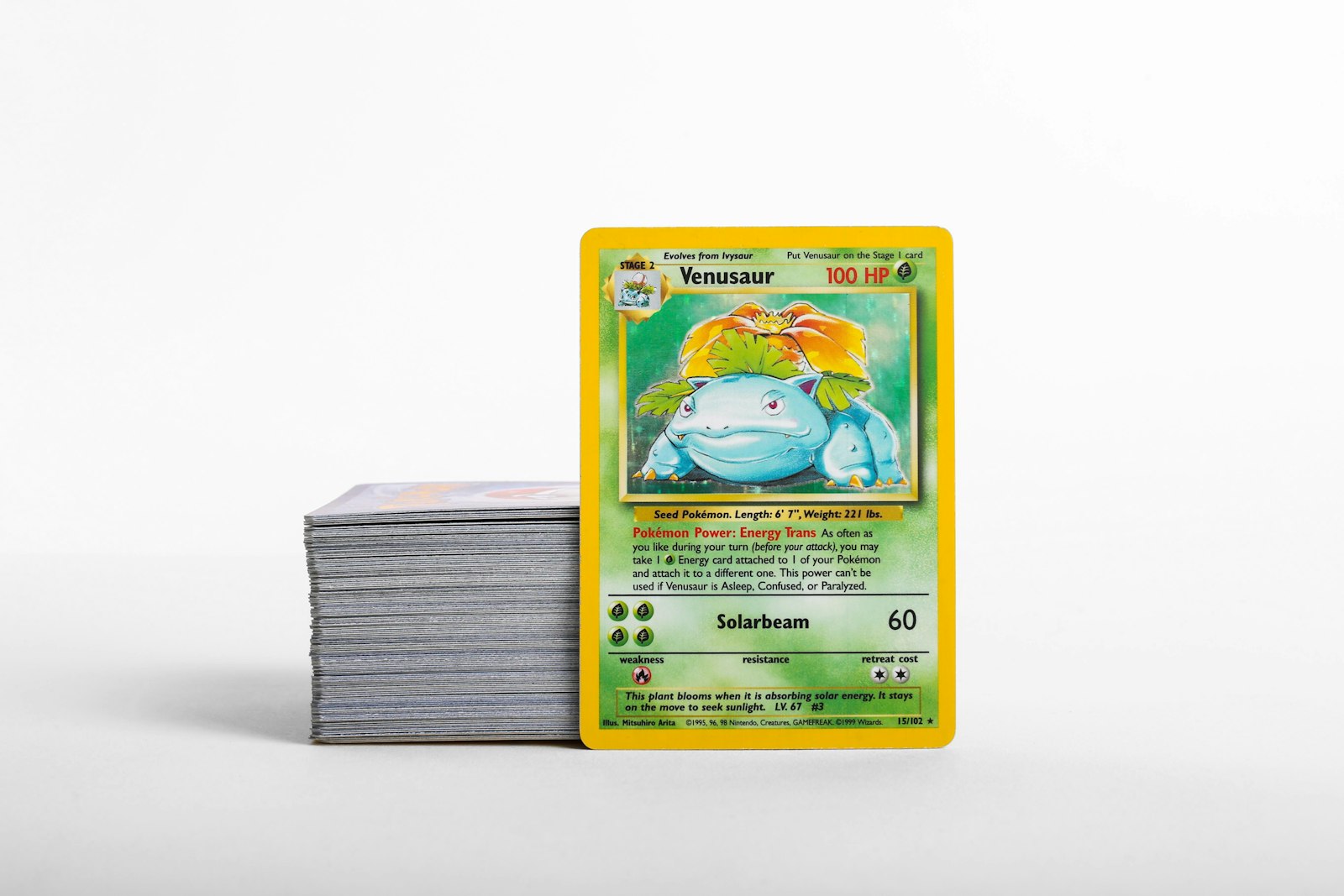
Every time you open a booster pack, trade at a local shop, or bring home a new lot of singles, you face a critical decision-making window. Left unsorted on your desk, raw cards are highly vulnerable to humidity, dust, and accidental surface scratches. To maintain your collection's physical integrity and long-term appeal, you need a reliable method to evaluate each card, log it, and route it to the correct storage tier.
By integrating a physical inspection with a fast digital scan, you can immediately decide whether a card belongs in a protective binder, a rigid toploader, or a bulk storage box. Here is a practical, step-by-step framework to help you classify card condition, match it to the right protection, and keep your physical and digital collections perfectly aligned.
1. The Quick-Route Framework for Raw Pokemon Cards
Not every card in your collection requires the same level of armor. Overprotecting common cards wastes money on premium sleeves and storage cases, while underprotecting rare hits can lead to irreversible wear. A balanced, three-tier routing system ensures your resources go where they are needed most:
- Tier 1: High-Value Hits & Grading Candidates (Toploaders or Semi-Rigid Holders)
- Tier 2: Binder Hits & Playables (Sleeves & Binder Pages)
- 3. Tier 3: Bulk, Commons, and Uncommons (Bulk Storage Boxes)
These are your premium ultra-rares, secret rares, vintage holos, and cards you might eventually submit to a grading service. They require individual, rigid protection to prevent any form of bending, surface contact, or corner wear.
This tier includes standard holos, reverse holos, lower-value ultra-rares, and competitive deck staples. They are best stored in side-loading binder pockets, protected by a high-quality penny sleeve or deck sleeve.
Standard commons, uncommons, and basic energy cards do not need individual sleeves. They belong in dedicated cardboard or plastic card boxes, packed snugly enough to prevent sliding but loose enough to avoid edge compression.
2. Inspecting Card Condition Before Storing
Before you assign a card to a storage tier, you must inspect its physical condition. Even a tiny, unnoticed speck of dust trapped inside a tight sleeve can act like sandpaper over time, ruin the foil surface, and lower the card's visual appeal.
To perform a quick condition check, place the raw card on a clean, soft playmat under bright, direct light and look for these four common issues:
- Surface Scratches and Scuffs: Tilt the card slowly under your light source. Watch for faint hairline scratches on the foil or the back of the card. Foil cards are especially susceptible to surface wear.
- Edge Whitening and Silvering: Flip the card over to inspect the blue back borders. Look for white spots along the edges and corners. On the front of older cards, look for "silvering," where the foil layer becomes exposed along the cut line.
- Corner Ding and Softness: Check if the four corners are perfectly rounded and crisp. Soft, slightly frayed, or bent corners immediately disqualify a card from top-tier storage and lower its overall appeal.
- Foil Curl (Warping): Modern foil cards often curl due to atmospheric humidity changes. While minor curling does not permanently damage the paper, it dictates how you should store the card to flatten it safely.
3. When to Use Binders vs. Toploaders vs. Card Boxes
Once you have assessed the physical condition of your card, you can match it to the most appropriate storage format. Choosing the wrong home for a card can lead to accidental damage during browsing or storage.
| Storage Format | Best Suited For | Key Advantages | Potential Risks | | :--- | :--- | :--- | :--- | | Toploaders & Semi-Rigids | High-value hits, pristine vintage cards, grading candidates | Maximum physical protection; prevents bending and corner dings | Dust can enter from the top; requires extra physical storage space | | Side-Loading Binders | Full sets, master sets, moderate-value holos, trade stock | High visibility; easy to browse and share; space-efficient | Potential for "binder dings" if rings are present; pages can sag if stored poorly | | Bulk Storage Boxes | Commons, uncommons, non-foil bulk, extra playables | Extremely cost-effective; keeps thousands of cards organized in one footprint | Edge wear if packed too tightly; cards can slide and warp if packed too loosely | | Magnetic One-Touch Cases | Personal favorite display cards, high-end single hits | Premium display look; highly rigid; built-in UV protection | Cards can rattle if they are slightly undersized; not ideal for double-sleeving |
4. Integrating Your Digital Scanner into Your Storage Workflow
To make your sorting process as efficient as possible, you should log your cards digitally at the exact moment you inspect them. Trying to catalog a massive stack of cards after they have already been sleeved and filed into binders is incredibly tedious.
Using a mobile Pokemon card scanner allows you to identify the exact set, variant, and details of a card in seconds. This digital step acts as the traffic controller for your physical storage:
- Scan the Raw Card: Before putting the card in a sleeve, place it on a clean surface and scan it.
- Check the Pricing Context: Use a reliable Pokemon card price checker to view the current market trends. This helps you instantly decide if a card is a "Tier 1" high-value hit or a "Tier 2" binder filler.
- Log the Location: Note within your Pokemon collection app where the card is going (e.g., "Trade Binder 1" or "Toploader Box A"). This keeps your physical location synced with your digital records.
- Sleeve and File Immediately: Once scanned and logged, place the card directly into its designated sleeve and storage container. This minimizes the time the raw card spends exposed to dust and handling.
5. Managing Storage Risks: Humidity and Pressure
Even if you choose the perfect sleeves and binders, environmental factors can still damage your collection over time. Paper is naturally sensitive to its surroundings, meaning your storage room needs active management.
Keep your collection in a climate-controlled room, away from direct sunlight, drafty windows, and damp basements. High humidity causes cards to absorb moisture and warp, while extreme dryness can make the paper brittle. Placing silica gel packs inside your storage boxes and binder bins is a simple, inexpensive way to absorb excess moisture.
Additionally, pay attention to physical pressure. Store your card binders vertically, like books on a shelf, rather than stacking them flat on top of one another. Stacking binders flat puts immense weight on the lower pages, which can force the plastic pockets to press against the cards, leaving permanent indentations or ring marks.
6. Keep Your Collection Organized and Protected
Routing your cards to the correct storage tier is not a one-time chore—it is an ongoing habit that keeps your collection clean, organized, and structurally sound. By taking a few extra seconds to inspect, scan, and sleeve your cards as soon as you acquire them, you protect your favorite hits from physical wear and prevent your bulk from turning into an unmanageable pile.
To build a highly efficient sorting and cataloging routine, check out our guides on the PokeSnap blog. Utilizing a dedicated digital tool makes it easy to keep your records straight while you focus on the fun parts of the hobby.
Ready to streamline your sorting setup? Download PokeSnap today to scan your cards, check values instantly, and organize your digital binders with ease.