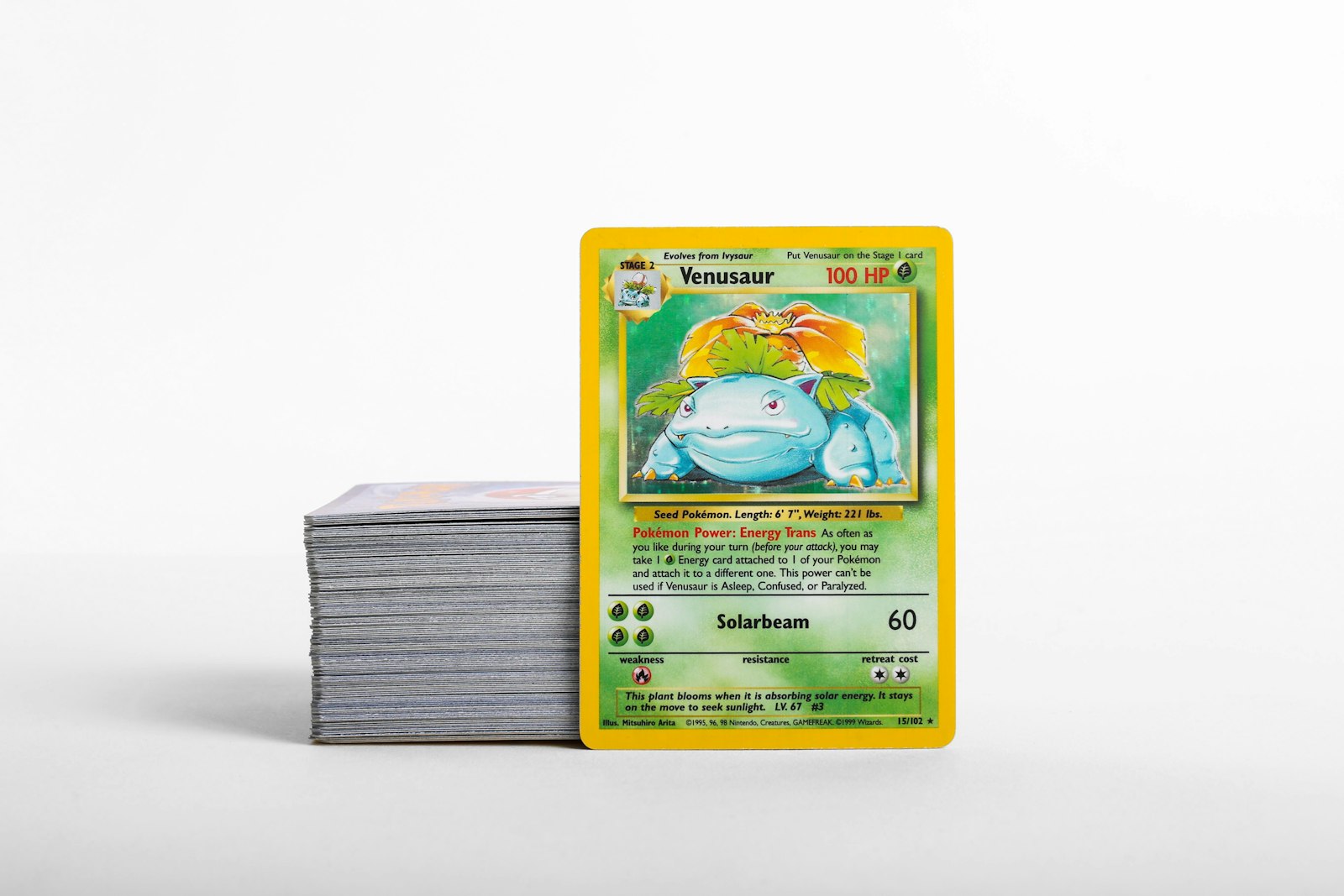
As your Pokemon card collection grows, the way you store your cards must evolve. A storage method that worked perfectly when you only had a few dozen cards can quickly become a risk when your collection expands into hundreds or thousands of cards. Over time, binders can get overcrowded, older sleeves can begin to degrade, and valuable cards can easily be forgotten in bulk boxes.
Re-evaluating your Pokemon card protection setup is not just about organizing; it is about preservation. To prevent wear, clouding, or warping, you need a systematic approach to assessing card condition and matching it to the right protective gear. Taking the time to audit your storage setup today can save your cards from irreversible wear tomorrow.
The Core Risks: What Happens When Storage Gear Fails
Many collectors assume that once a card is placed in a sleeve or binder, it is safe forever. Unfortunately, poor storage choices or aging materials can actively damage your cards over time. Understanding these risks helps you make better decisions during your audit:
- Sleeve Degradation: Over time, cheap penny sleeves can stick to the card surface or become cloudy, obscuring the artwork and trapping micro-dust that scratches the foil.
- Binder Sag and Ring Damage: Traditional three-ring binders are notorious for "ring damage." This occurs when the metal rings press against the inner columns of cards when the binder is closed, moved, or stacked horizontally.
- Foil Curling (Warping): Holographic cards are highly sensitive to humidity. Without proper structural support, the plastic foil layer contracts differently than the paper backing, causing the card to curl.
- Acidic Materials: Older or non-archival-safe plastics can release acids that yellow card borders and degrade paper fibers over years of storage.
Evaluating Card Condition to Determine Protection Tiers
Before you buy new storage gear, you must understand what you are protecting. Not every card requires a magnetic one-touch case, but treating a rare holographic card like common bulk is a recipe for value loss.
Start by grouping your cards into condition and rarity tiers. You can use a pokemon card scanner to quickly identify your cards and check their rarity symbols before sorting them:
- Tier 1: High-Value Hits & Pristine Copies: These are your secret rares, alternate arts, vintage holographics, and any raw cards you consider grading candidates. They require maximum structural support and physical isolation.
- Tier 2: Mid-Range Holos, Promos & Playables: These cards have moderate value or are actively used in decks. They need solid protection that prevents surface scratching while remaining accessible.
- Tier 3: Commons, Uncommons & Bulk: These cards are kept for set completion or future trading. They do not need individual hard cases but must be stored in bulk boxes in a way that prevents edge damage.
Choosing Binders, Sleeves, and Cases for Each Tier
Once you have categorized your collection, match each tier to the correct protective gear to ensure long-term preservation:
- For Tier 1 (High-Value): Use acid-free, PVC-free perfect-fit sleeves paired with standard deck sleeves (double-sleeving), then place them into top loaders or magnetic one-touch cases. If stored in a binder, use a premium, strap-closed, side-loading binder with built-in pages instead of loose-leaf rings.
- For Tier 2 (Mid-Range): Standard penny sleeves or matte deck sleeves inside a high-quality side-loading binder are ideal. This keeps them safe from dust while allowing you to browse your collection easily without risking physical wear.
- For Tier 3 (Bulk): Store bulk in cardboard storage boxes designed specifically for trading cards. Ensure the boxes are packed tightly enough that cards do not slide around and bend, but loose enough that you do not crush the edges when retrieving them.
The Step-by-Step Storage Audit Process
To transition your collection into a safer, more organized storage setup, follow this step-by-step audit routine:
- Empty and Inspect: Work in batches. Take one binder or box at a time. Pull cards out and inspect them on a clean, dry, and flat surface.
- Check for Wear: Look for signs of sleeve wear, cloudiness, or dust buildup. If a sleeve feels sticky, looks scratched, or has bent corners, discard it immediately.
- Verify Value: Use a pokemon card price-checker to make sure a card's market value hasn't shifted. A card you stored in a bulk box years ago might now deserve a spot in your premium binder.
- Re-Sleeve and Re-Home: Apply new, high-quality sleeves to cards that have graduated to higher tiers. Move them to their designated binder or top loader box.
- Label Your Storage: Clearly label your boxes and binders so you do not have to flip through delicate cards just to find a specific set or card type.
Maintaining Safe Environmental Conditions
Even the best binders and cases cannot protect your cards if the room environment is hostile. High humidity, extreme heat, and direct sunlight are a collector's worst enemies.
Keep your storage area between 35% and 45% relative humidity. You can use silica gel packs in your storage boxes to absorb excess moisture and prevent foil curling. Additionally, avoid storing your cards in attics, basements, or garages where temperature swings are common; keep them in a climate-controlled room instead.
Finally, never display cards in direct sunlight. Even UV-resistant cases only delay fading; they do not prevent it entirely. Store your binders vertically on shelves away from windows to minimize light exposure.
How Digital Inventorying Simplifies Your Storage Decisions
Physical protection is only half the battle; knowing what you have and where it lives is the other. Every time you open a binder to search for a card, you introduce a small risk of oils from your fingers transferring to the card surface or causing minor edge wear.
By using a dedicated pokemon collection app, you can digitize your entire inventory. Instead of flipping through physical pages to check a card's condition, set, or variant, you can browse your collection on your phone. This minimizes physical handling, keeping your cards in pristine condition longer.
With PokeSnap, you can scan your cards in seconds, track their condition, and organize them into digital binders that mirror your physical shelves. Download PokeSnap today to streamline your protection workflow and keep your collection safe, organized, and beautifully cataloged.