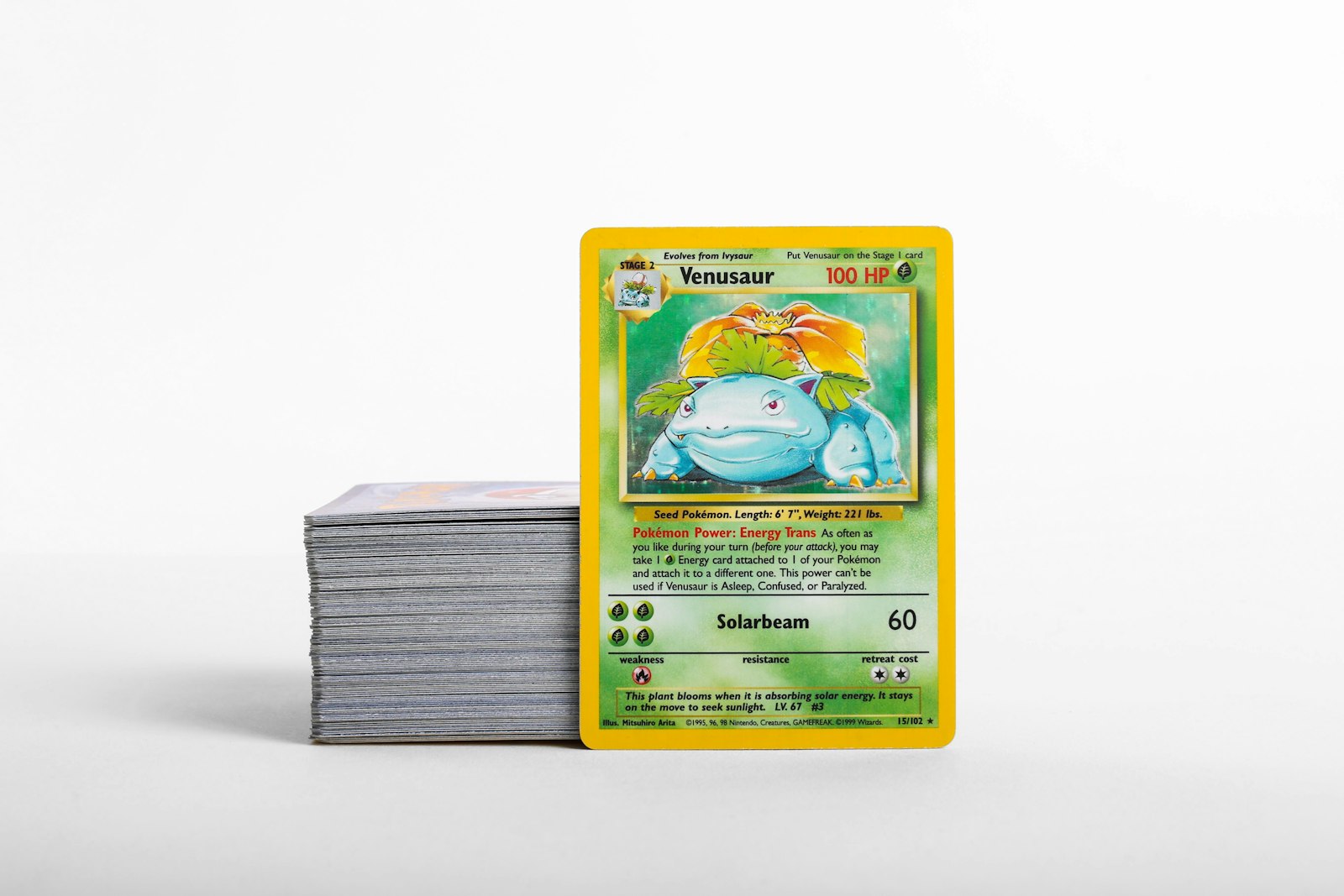
Raw Pokemon cards are surprisingly vulnerable to mechanical stress. While collectors often worry about obvious disasters like liquid spills or severe folds, subtle micro-wear causes far more long-term damage to card values. Mechanical wear occurs whenever a card experiences friction, uneven pressure, or improper handling inside its protective housing. Over time, friction against rough sleeve plastics, tight binder pockets, or metal binder rings can turn a pristine Near Mint card into a lightly played copy with noticeable edge wear or surface dulling.
Preventing mechanical wear requires matching your card's condition and physical storage setup to its specific physical risks. By auditing how you sleeve, bind, box, and scan your collection, you can preserve surface textures, sharp corners, and crisp edges without overspending on unnecessary supplies.
The Mechanics of Ring Dents and How Side-Loading Binders Prevent Them
One of the most frustrating forms of physical damage in card collecting is the binder ring dent. Ring dents happen when binder pages slide over metallic or rigid plastic O-rings or D-rings while the binder is being closed. If a card sits too close to the inner spine, the metal ring bites into the inner margin of the card, leaving a distinct semi-circular crease or depression across the border.
To eliminate ring denting in your collection:
- Switch to ringless side-loading binders featuring sewn-in pages and reinforced spines.
- If using D-ring binders, never overfill the binder past the flat edge of the ring mechanism.
- Avoid 3-ring round binders entirely, as pages naturally sag over the rings when laid flat.
- Always check that binder pages lie flat before closing the binder cover.
Side-loading binder pages made from archival-safe polypropylene provide lateral stability while keeping cards fixed inside padded pockets, preventing horizontal movement that leads to spine collisions.
Stopping Corner Snags and Edge Pinching During Card Sleeve Insertion
Inserting a raw card into a penny sleeve or tight inner sleeve seems straightforward, but it is one of the primary causes of corner whitening and edge pinching. When a sharp card corner catches on the corner seam of a fresh sleeve, the foil layer or paper stock can split or bend inward.
Follow these practical guidelines for safe sleeving:
- Inspect the sleeve opening for manufacturing static or stuck edges before inserting the card.
- Gently pinch the sides of the sleeve to bow open the top mouth before guiding the card inside.
- Slide the card down smoothly using light thumb pressure on the center of the face, never pushing down on the top edge.
- If using tight inner sleeves (perfect fits), enter bottom-first at a slight angle so air escapes without compressing the corners.
If you encounter resistance while inserting a card, stop immediately. Forcing a card into a tight sleeve will curl the bottom corners or scrape the soft paper layers off the back edges.
Protecting Foil Borders and Holo Surfaces from Sleeve Haze and Friction
Foil surfaces—especially modern full art cards, illustration rares, and vintage holos—are extremely prone to surface scratching and dulling. When stored in cheap, non-archival sleeves, micro-debris caught between the sleeve plastic and the card face acts like sandpaper whenever the card shifts. Additionally, non-archival plastics can break down over time, leaving a milky residue known as sleeve haze.
To maintain crystal-clear foil surfaces:
- Use acid-free, non-PVC polypropylene sleeves designed specifically for trading cards.
- Replace sleeves that show signs of interior fogging, scratching, or dust accumulation.
- Avoid sliding unsleeved holo cards against each other when sorting or reviewing stacks.
- Maintain low friction by double-sleeving valuable raw singles with an inner sleeve and a standard outer sleeve before placing them into binder pockets.
By keeping dust out of your protective sleeves and using clean archival plastics, you prevent microscopic abrasion from dulling the radiant shine of your favorite holos.
Stacking and Storage Box Hazards: Preventing Vertical Compression
Storing cards in monster boxes, deck boxes, or storage bins is an efficient way to manage bulk and mid-tier singles, but vertical weight can create serious compression damage. Stacking heavy boxes on top of unsleeved cards forces air out, pressing grit into card surfaces and flattening card edges. Furthermore, if storage boxes are not packed firmly, cards will tilt and warp under their own weight.
Use these practical storage box guidelines:
- Store cards vertically on their long or short edges; never stack raw cards flat in high piles.
- Fill empty space in storage boxes with foam blocks or card dividers so cards stay upright without bending.
- Avoid over-tightening boxes; cards should slide smoothly out of a row without binding against the sides.
- Use rigid dividers to separate sets and prevent edge-to-edge rubbing when moving storage containers.
Properly spaced storage boxes keep cards upright and stress-free, ensuring edges remain crisp even during long-term storage.
Creating a Safe Routine for Scanning and Indexing Your Collection
Cataloging cards is an essential part of tracking your inventory, but repeated handling during sorting and scanning increases mechanical wear risks. Every time you pull a card from a pocket or move it across a table, you introduce potential friction points.
Establish a low-impact intake routine:
- Perform cataloging on a clean, smooth playmat or felt surface rather than hard wood or textured plastic tables.
- Keep cards inside transparent sleeves during scanning whenever possible to minimize direct surface contact.
- Use a high-efficiency mobile workflow with a dedicated Pokemon card scanner to capture card details in a single pass without extra handling.
- Verify pricing and market comps with an integrated Pokemon card price checker while cataloging, avoiding the need to repeatedly retrieve physical cards for value checks later.
- If your collection includes Japanese expansion singles, you can smoothly scan Japanese Pokemon cards without removing them from protective inner sleeves.
By digitizing your collection upfront, you limit physical card handling to essential moments like binder upgrades or trades.
When to Upgrade Raw Singles to Toploaders or Semi-Rigid Holders
Not every card belongs in a standard binder pocket. High-value hits, vintage chase cards, and potential grading candidates require more rigid protection than polypropylene binder pages provide.
Determine your protection tiers using these condition and structure guidelines:
- Penny Sleeve Only: Ideal for low-value commons, uncommons, and non-foil bulk stored in padded storage boxes.
- Penny Sleeve + Side-Loading Binder: Perfect for master set progress, mid-tier reverse holos, and modern ultra rares you want to browse regularly.
- Inner Sleeve + Toploader: Recommended for high-value raw chase cards, delicate vintage holos, and cards designated for future grading submissions.
- Magnetic Holder or Semi-Rigid Case: Excellent for display pieces or high-tier singles requiring impact resistance and strict lay-flat storage.
Matching the protection format to the card's physical vulnerability and value keeps your budget efficient while securing your top hits.
Keep Your Collection Documented and Safe with PokeSnap
Protecting your Pokemon cards from physical storage wear is only half the battle—keeping your digital inventory accurate is just as important. Once your raw singles are safely housed in side-loading binders, clean sleeves, and sturdy storage boxes, you need an effortless way to keep track of every card in your collection.
With PokeSnap, you can quickly scan your cards, check market data, and track your set completion progress directly from your phone. Whether you are auditing raw condition tiers, organizing your trade binders, or tracking binder gaps, PokeSnap provides the tools you need to manage your collection with confidence. Download PokeSnap today on iOS or Android and take control of your Pokemon card inventory!