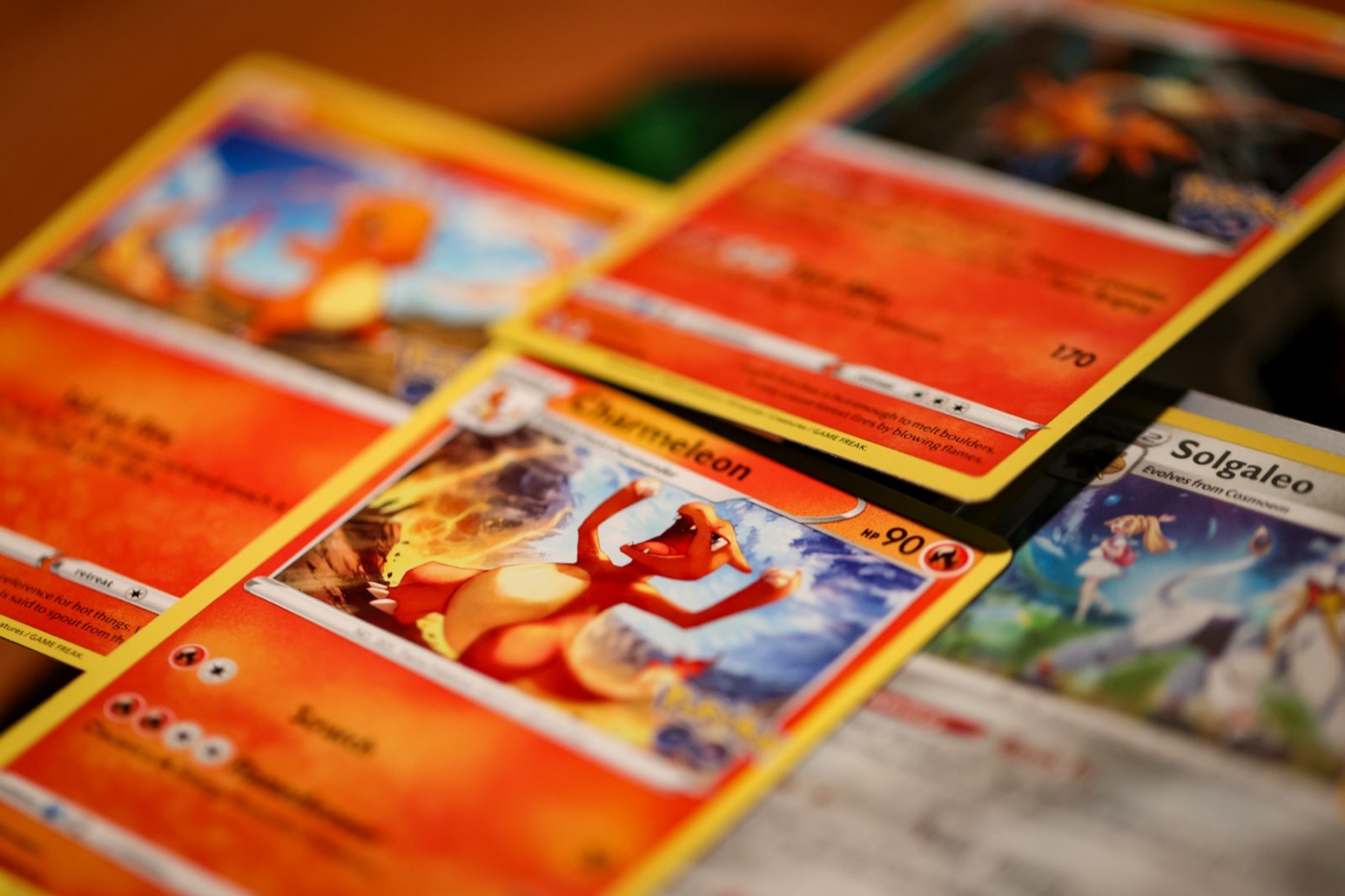
Condition notes make trades calmer
Pokemon card trades get difficult when both sides value the same card from different condition assumptions. One person sees near mint. The other sees whitening, scratches, or a small dent.
Trade condition notes reduce that argument before the binder opens.
Review your own cards first
Before trade night or a card show, inspect the cards you are willing to move. Do not wait for another collector to discover flaws at the table.
For each meaningful card, write:
- Front and back condition tier
- Visible whitening
- Surface scratches or print lines
- Dents, bends, creases, or foil curl
- Centering notes
- Whether price should be adjusted
The condition tier guide keeps this fast enough to use across a binder.
Use short notes, not essays
A useful trade note should be quick to read. Examples:
- Clean front, light back edge whitening
- Small surface scratch under angled light
- Binder copy, not grading candidate
- Nice front, corner nick on back
The point is not to create a full grading report. It is to make the value conversation honest before both sides start adding numbers.
Attach notes to value ranges
Condition notes matter because they change trade value. If a card is not near mint, do not keep a near mint number next to it. Mark a realistic range for the actual copy.
Use the trade binder pricing guide and Pokemon card price checker after condition is clear, not before.
Photograph cards that may cause debate
For higher-value trades, quick photos of the front, back, corners, and visible flaws make the discussion easier. If a trade is delayed or negotiated later, everyone remembers which copy was being discussed.
The condition photo log guide gives a stronger photo structure when a card may also be sold or graded.
Mark cards that are not really available
Some cards sit in a trade binder but are emotionally hard to move. If a card is only available for a specific wantlist target or a strong upgrade, mark that rule clearly.
The trade night budget guide helps combine trade limits, cash limits, and wantlist priorities so the condition notes support a real plan.
Update notes after every trade
When a card leaves your collection, mark it traded. When a new card arrives, add its condition notes before it goes into storage. This prevents new pickups from becoming mystery-condition inventory.
Save the record in your Pokemon card collection app with trade partner, date, cards moved, cash added, condition, and next action.
The simple rule
A Pokemon card trade condition notes guide should make value conversations shorter and fairer. Inspect your own cards first, write short flaw notes, connect those notes to realistic trade ranges, and record the final swap before the details blur.