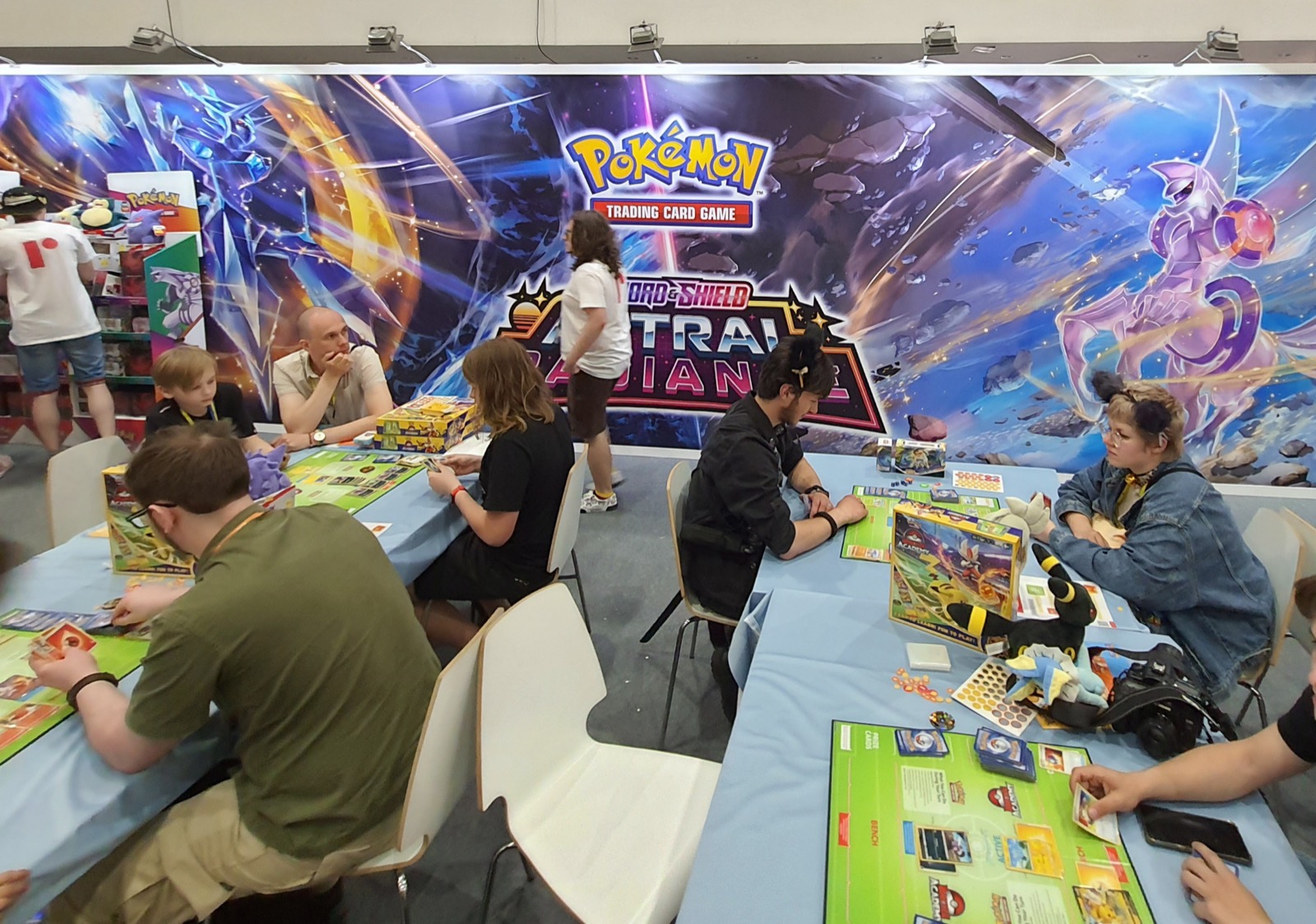
Trade nights reward preparation
Pokemon card trade nights are easier when your binder has a plan. Without preparation, collectors forget what they need, misjudge condition, overtrade duplicates, or agree to values they would not accept after checking later.
A good checklist does not make trading rigid. It keeps the fun part from turning into cleanup work after you get home.
Bring a trade binder with clear lanes
Separate cards by purpose before the event. Useful lanes include:
- cards actively available for trade
- higher-value cards that need careful discussion
- playable staples
- duplicate hits
- personal collection cards that are not for trade
If everything is mixed together, it is too easy to offer something by accident. For a deeper setup, use how to build a Pokemon trade binder.
Update your wants list before you leave
Do not rely on memory. A current wants list helps you avoid trading for cards you already own or no longer need. It also helps other collectors find matches faster.
Check your Pokemon card collection app before the event and mark priority targets. If your target list is weak, review how to build a Pokemon card wants list.
Check condition before discussing value
Value conversations get awkward when condition is discovered late. Before agreeing on a trade, inspect both cards under decent light:
- front surface
- back surface
- corners
- edges
- centering
- dents or binder marks
Use the Pokemon card condition guide as your shared language. If a card is a possible grading candidate, be especially careful with whitening and surface marks.
Use current prices, but keep context
A Pokemon card price checker helps anchor the conversation, but raw numbers are not the whole trade. Condition, language, liquidity, personal goals, and whether the card fills a real gap all matter.
For value framing, pair this with the Pokemon card trade value guide.
Protect cards during the event
Trade nights involve repeated handling. Bring enough sleeves, a few top loaders or semi-rigids, and a safe place for cards entering or leaving your collection. Do not let newly acquired cards float loose in a pocket, bag, or box.
If protection habits are the weak point, review how to sleeve Pokemon cards before the next event.
Record trades before the details disappear
After a successful trade, update your inventory as soon as possible. Record what left, what entered, condition notes, and whether the trade changed your duplicate count or checklist progress.
This step matters because trade nights create memory gaps. A card that leaves the binder but stays in your digital inventory will distort portfolio value and set completion.
The simple rule
For a better Pokemon card trade night, prepare a clear trade binder, bring a current wants list, check condition before value, use current price context, protect cards during handling, and record trades before you forget the details.
If you are preparing for a larger card event, continue with the Pokemon card show prep checklist.