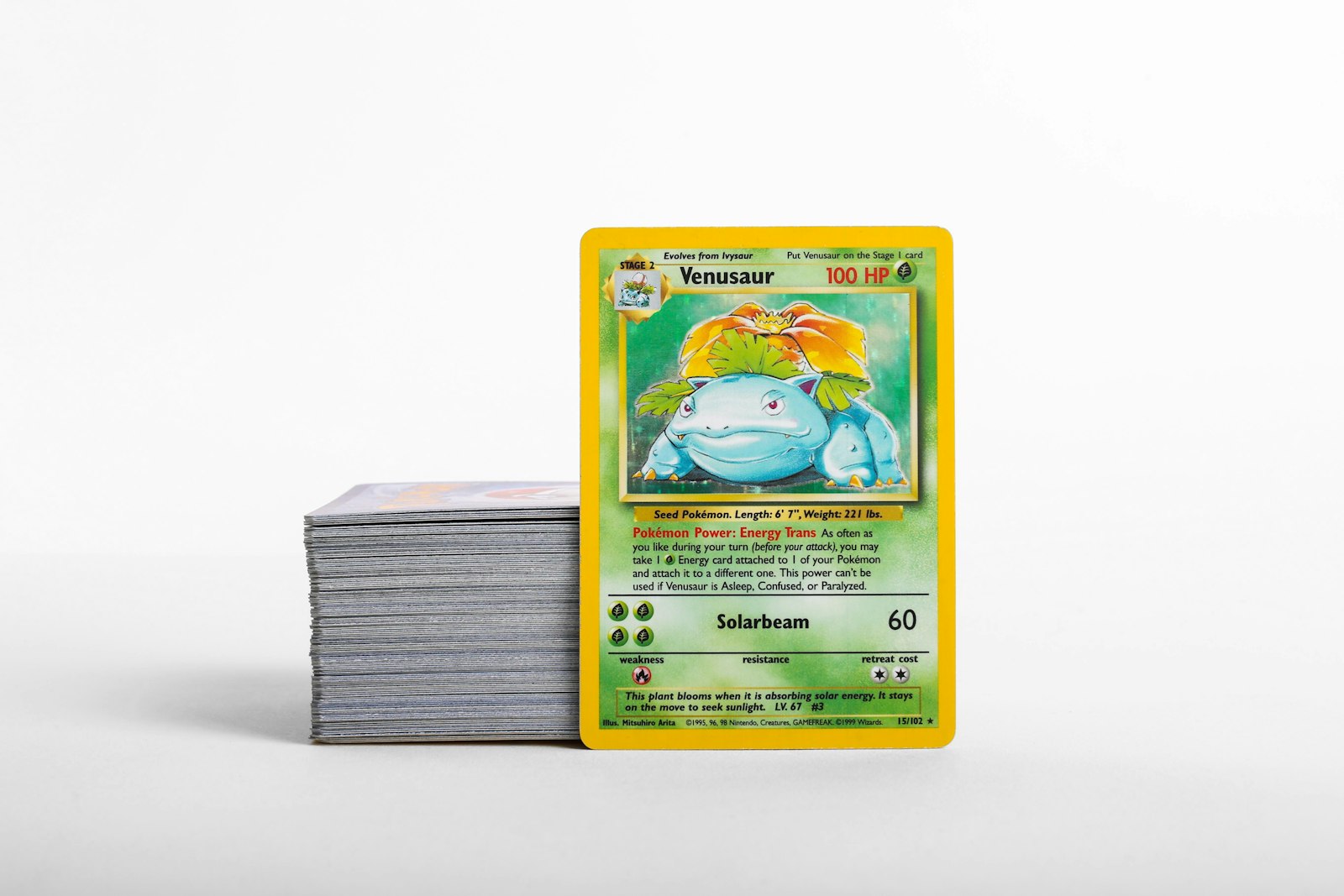
Pokemon Card Storage Upgrades: How to Transition Singles from Sleeves to Toploaders and Cases
Protecting a growing Pokemon collection requires more than placing every raw hit into whatever penny sleeve happens to be sitting on your desk. As cards shift from binder fills to valuable chase pieces, keeping them in under-spec storage creates preventable physical wear—such as edge friction, foil clouding, and corner dings.
Matching your cards' physical condition and handling frequency to the right protective gear keeps raw inventory safe for future trades, grading, or long-term display. Here is how to evaluate raw cards, establish clear protection thresholds, and upgrade your storage setup efficiently.
1. Spotting Physical Flaws Before Choosing Storage
Before assigning any raw single to a sleeve, binder page, or rigid case, evaluate its structural vulnerabilities under clear lighting:
- Foil and Surface Finish: Holos, full arts, and textured rares are especially sensitive to micro-scratching caused by grit trapped inside loose sleeves or unsealed binder slots.
- Corner and Edge Integrity: Modern borders display whitening easily along top corners when inserted roughly into tight binders or ill-fitting inner sleeves.
- Foil Curl and Structural Tension: Moisture shifts often cause holographic layers to pull unevenly against paper backings. Storing curled cards without proper surface pressure leads to deeper creases over time.
Catching these vulnerabilities early dictates whether a card needs a simple penny sleeve, a side-loading binder slot, or rigid hard case protection.
2. The Three-Tier Storage Framework for Raw Singles
Organizing your protection into three distinct tiers prevents overspending on inexpensive cards while ensuring hit singles receive sufficient shielding.
Tier 1: Soft Penny Sleeves (Bulk Rares, Holo Commons, and Set Filler)
Standard polypropylene penny sleeves remain the gold standard for low-friction protection. They prevent direct finger-oil transfer during initial sorting and keep cards safe inside storage boxes. Never use PVC-based soft sleeves, as chemical plasticizers break down over time and create sticky residues on card surfaces.
Tier 2: Side-Loading Binders with Perfect-Fit Sleeves (Play Sets, Mid-Tier Hits, and Complete Sets)
Acid-free, PVC-free side-loading binders provide excellent protection against dust intrusion and page slippage. Pairing cards with archival inner or standard outer sleeves before placing them into side-loading pocket pages locks out air particulates while maintaining easy browsing access.
Tier 3: Toploaders and One-Touch Magnetic Cases (High-Value Singles, Vintage, and Ultra Rares)
When a card's value or personal importance warrants extra rigidity, transition it from binder pages to rigid toploaders or magnetic one-touch cases. Always sleeve a card in a soft penny sleeve before sliding it into a toploader to prevent the hard plastic interior from scratching the raw surface.
3. Clear Signals It Is Time to Upgrade a Card's Protection
Holding raw cards in inadequate gear is one of the quickest ways to cause edge wear. Watch for these clear signs that a single needs an upgraded storage format:
- Tight Binder Pocket Pressure: If sliding a double-sleeved card into a binder page requires force, the pocket is too tight. Transfer the card to a rigid toploader to avoid corner pinching.
- Foil Bending and Curling: If holographic cards show visible curvature in standard binder slots, move them to a toploader or semi-rigid holder that applies light, uniform pressure.
- Frequent Handling for Trades or Scans: Cards brought to local card shows or trade meets face higher risk of dropping or corner impacts. Any raw card frequently moved out of storage should live in a rigid holder.
- Rising Market Value: When a raw card's secondary market value increases significantly, relying on a basic binder page introduces unnecessary risk.
If you are unsure of a card's exact identity or current market context, using a dedicated Pokemon card scanner lets you identify set details instantly so you can assign the proper protection tier without handling the card repeatedly.
4. Environmental Storage Hazards: Humidity, Light, and Temperature
Even the best protective sleeves cannot shield cards from poor ambient storage conditions. Long-term preservation requires managing three environmental factors:
- Humidity Levels: Keep storage areas around 40% to 50% relative humidity. High humidity swells cardboard edges and causes heavy foil curling, while extreme dryness makes vintage cardstock brittle.
- Ultraviolet (UV) Exposure: Direct sunlight and unshielded fluorescent bulbs fade vivid inks and yellow clear plastic sleeves. Store binders and boxes inside dark closets or closed cabinets.
- Temperature Stability: Store your collection in climate-controlled living spaces rather than attics, basements, or garages where thermal shifts accelerate adhesive breakdown and sleeve hazing.
5. Routine Sleeve and Binder Maintenance
Protective gear does not last indefinitely. Environmental dust, friction, and repeated handling degrade plastics over time. Establish a periodic audit routine:
- Inspect Page Clarity: Cloudy, scratched, or yellowed binder pages reduce visibility and indicate plastic fatigue. Replace aging pages to prevent surface friction.
- Check Sleeves for Dust Creep: Dust particles settling inside loose sleeves can dig into foil surfaces when cards are moved. Swap out dirty sleeves during regular collection cleanups.
- Audit Storage Box Tightness: Avoid overpacking card storage boxes. Excess compression bends edges, while under-packed boxes allow cards to tilt and warp under their own weight.
As your collection expands across binders, toploaders, and storage boxes, maintaining physical order becomes essential. Using a reliable Pokemon collection app allows you to log the exact box or binder location of every upgraded single, preventing lost inventory and unnecessary handling.
Furthermore, running periodic valuation checks with a reliable Pokemon card price checker ensures you always know which raw singles have crossed your threshold for upgraded storage.
Keep Your Collection Organized and Protected with PokeSnap
Upgrading storage gear protects your physical cards, but keeping track of where every single lives requires smart digital management. With PokeSnap, you can scan raw Pokemon cards in seconds, check precise market pricing, and catalog your entire inventory across binders and storage boxes effortlessly. Download PokeSnap today to keep your collection secure, searchable, and structured!