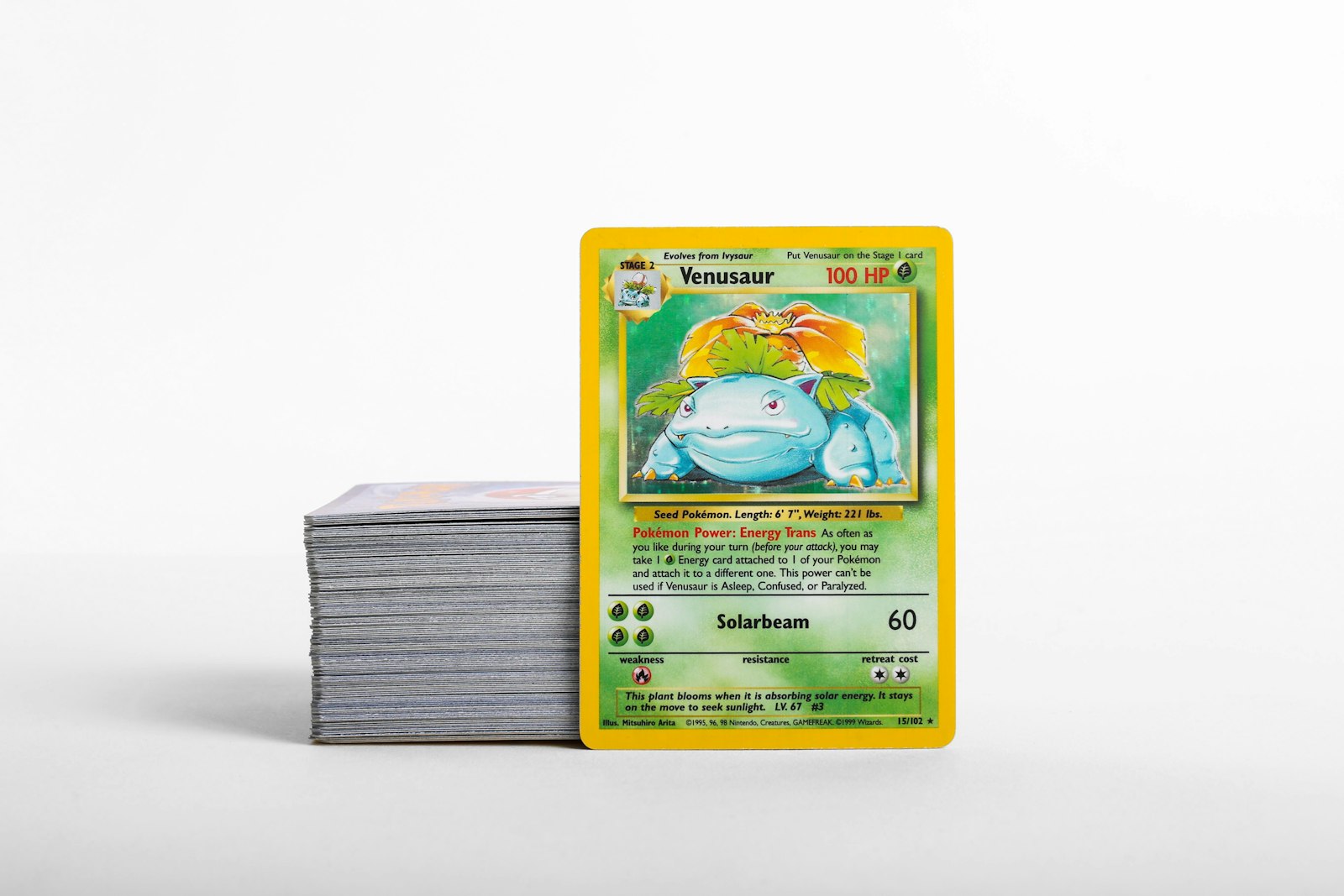
Protecting a Pokemon card collection is not a one-size-fits-all task. If you treat every common card like a pristine vintage holographic, you will quickly run out of physical space and spend a fortune on plastic. Conversely, leaving valuable hits in loose cardboard boxes invites edge wear, scratches, and warping. The secret to smart collecting is aligning your physical protection choices directly with the condition and rarity of each card.
By assessing raw condition early, you can allocate your budget to the storage gear that actually preserves your cards' long-term physical state. Using a dedicated pokemon collection app to maintain a digital mirror of your physical inventory makes it simple to track which cards are safely tucked away in binders and which ones require heavy-duty cases.
1. The Raw Condition Spectrum: Categorizing Before Boxing
Before you pull out sleeves and binders, you need to categorize your cards. Grouping them by physical condition allows you to make logical storage decisions without overspending on supplies.
- Pristine to Near Mint (NM): These cards show virtually no signs of wear. The edges are crisp, the corners are sharp, and the surfaces are free of scratches, scuffs, or fingerprint oils. These require maximum protection to preserve their condition.
- Lightly Played (LP) to Moderately Played (MP): These cards might have minor silvering on the edges, light scuffing on the back, or tiny corner nicks. They are excellent candidates for binder sets or casual play.
- Heavily Played (HP) to Damaged (DMG): These show major wear, creases, dirt, or surface scratches. They do not need premium, high-cost plastic cases unless they carry immense sentimental value. Simple preservation to prevent further decay is enough.
2. Tier 1 Protection: Heavy-Duty Gear for Near Mint Hits
For your high-value raw cards, the goal is zero movement and zero environmental exposure. Any shifting inside a protective case can create friction, which acts like fine sandpaper on the card's delicate edges.
- The Perfect-Fit and Penny Sleeve Combo: Start with a perfect-fit sleeve (inserted from the top of the card) and slide it into a standard penny sleeve (inserted from the bottom). This double-sleeving method creates a dust-resistant seal around the card, preventing microscopic debris from scratching the surface.
- Rigid Toploaders: Once double-sleeved, place the card into a rigid plastic toploader. Always tap the bottom of the toploader on a flat surface to let the card slide in naturally—never force it down with your fingers, as this can crimp the top edge.
- Magnetic One-Touch Cases: For your absolute favorite raw cards, magnetic cases offer a premium look and rigid safety. Just ensure you use a sleeve designed to fit inside the recessed area of the case to prevent the card from shifting and rubbing against the hard plastic walls.
3. Tier 2 Protection: Safe Binder Storage for Set Collectors
If you are working on completing sets, binders are the most satisfying way to display your collection. However, the wrong binder can cause permanent, irreversible damage to your cards over time.
- Ditch the Ring Binders: Standard three-ring binders can cause "ring denting" if the inner pages slip under the metal rings when the binder is closed. Instead, choose strap-closed or zippered binders with fixed, sewn-in pages.
- Side-Loading Pages: Top-loading binder pages allow dust to fall in over time, and cards can easily slip out if the binder is turned upside down. Side-loading pockets keep cards firmly in place and offer a tighter seal against the elements.
- Always Sleeve Before Binding: Never put a raw card directly into a binder pocket. The plastic-on-card friction can cause micro-scratches on the foil surface. A simple penny sleeve provides enough cushion to prevent this wear.
4. Tier 3 Protection: Managing Bulk and Playable Commons
Not every card needs individual plastic housing. Bulk cards, reverse holos, and common trainers can be stored efficiently without sacrificing their physical condition.
- Archival-Safe Storage Boxes: Use multi-row cardboard storage boxes designed specifically for trading cards. Ensure they are acid-free and PVC-free to prevent chemical degradation over the years.
- Avoid Tight Packing: Packing cards too tightly into a box can warp the edges and cause the corners to bend. Leave a small amount of breathing room, using foam inserts or plastic dividers to keep the stacks upright.
- Group by Set and Rarity: Keep your bulk sorted so you do not have to rifle through thousands of cards to find a specific common. Finding a card quickly minimizes physical handling, which is one of the main causes of wear on lower-tier cards.
5. Environmental Controls: Protecting Against Invisible Threats
Even the best physical storage gear cannot save a card from a poor environment. Humidity, heat, and light are silent threats to cardboard and foil.
- Humidity Control: Foil cards are highly sensitive to moisture, which causes them to curl (often called "foil curl"). Keep your storage boxes and binders in a climate-controlled room. Using silica gel packets inside your storage boxes can help absorb excess moisture.
- UV Exposure: Sunlight fades ink quickly. Never store your binders or display cases near windows. If you display cards on shelves, use cases with built-in UV protection.
- Temperature Stability: Avoid storing your collection in attics, garages, or damp basements. Drastic temperature shifts can cause materials to expand and contract, weakening the card stock.
6. The Danger of PVC: Checking Your Plastics
When buying sleeves, binders, or storage boxes, always read the packaging materials carefully. Cheap plastics often contain Polyvinyl Chloride (PVC). Over time, PVC breaks down and releases acidic gases that can bond with the card's surface, causing ink transfer, cloudiness, and a sticky residue.
Always choose products labeled as acid-free and PVC-free. Safe alternatives include polypropylene and polyester (often referred to under the brand name Mylar). These materials are chemically inert, meaning they will not react with your cards even after decades of storage.
7. Maintaining a Digital Mirror of Your Physical Storage
As your collection grows across binders, toploaders, and bulk boxes, keeping track of where everything lives becomes a challenge. Moving cards around to check their details increases the risk of accidental drops or corner dings.
Keeping a digital record of your inventory solves this problem. By using a pokemon card scanner, you can quickly digitize your cards the moment you pull them, assigning them to digital folders that match your physical binders or boxes. When you scan cards with a pokemon card price checker, you can immediately decide if a raw card belongs in a premium magnetic holder or a standard bulk box. This keeps your physical cards safely tucked away in their protective gear while allowing you to browse, search, and share your collection on your phone. If you want to dive deeper into smart collection management, check out our other guides on the PokeSnap blog.
8. Build Your Preservation Routine Today
Matching your Pokemon cards to the right storage setup is the single best way to preserve their condition for years to come. By treating high-value hits with premium sleeves and toploaders, organizing set cards in side-loading binders, and storing bulk in dry, climate-controlled boxes, you build a sustainable preservation system.
Ready to take control of your collection without the clutter? Download PokeSnap to scan, catalog, and track your cards safely. Keep your physical cards protected while enjoying a fully organized digital inventory right in your pocket.