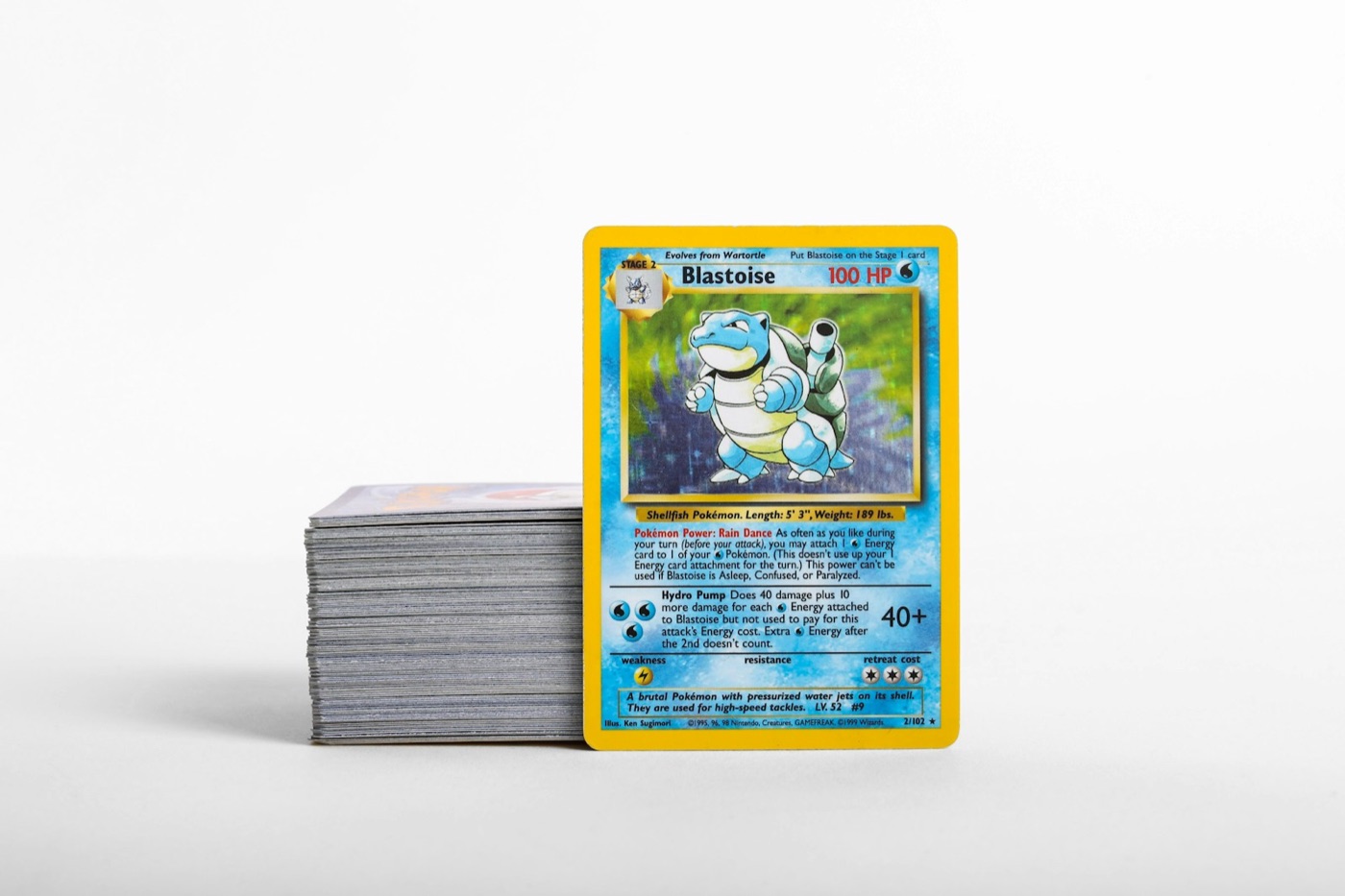
The best time to record a card is right after buying it
New purchases are easy to remember for a few hours and surprisingly easy to lose track of after that. Receipts get deleted, cards move from mailers to sleeves, and duplicates blend into the binder.
A post-purchase cleanup routine turns a new card into a clean collection record before context disappears.
Start with a quick identity check
Scan or confirm the exact card before it goes into storage. Record the set, collector number, language, finish, promo status, and whether it was bought raw, graded, or sealed.
The Pokemon card scanner helps when the card is from a set with similar art, multiple languages, or variants.
Record price paid and source
Save the purchase price, shipping, tax, seller, platform, and date. That information matters later when you decide whether to sell, trade, grade, insure, or replace the card.
Use the sales records guide as the seller-side companion and keep your buyer notes just as consistent.
Inspect condition before filing it away
Check corners, edges, centering, surface, dents, whitening, and sleeve marks while the purchase is still easy to dispute or return. If the card arrived in worse condition than expected, document it before moving the card.
The local pickup checklist and return inspection guide cover the inspection mindset.
Decide what the new card changes
A purchase may complete a set gap, replace a weaker binder copy, create a duplicate, or move a card into a grading shortlist. Update the existing record instead of creating confusion.
The condition upgrade list guide helps decide whether the new copy should replace the old one.
The simple rule
A Pokemon card post-purchase cleanup should capture the facts while they are fresh. Confirm identity, record total cost, inspect condition, assign storage, and update duplicates before the card vanishes into the collection.