Language variants need their own rules
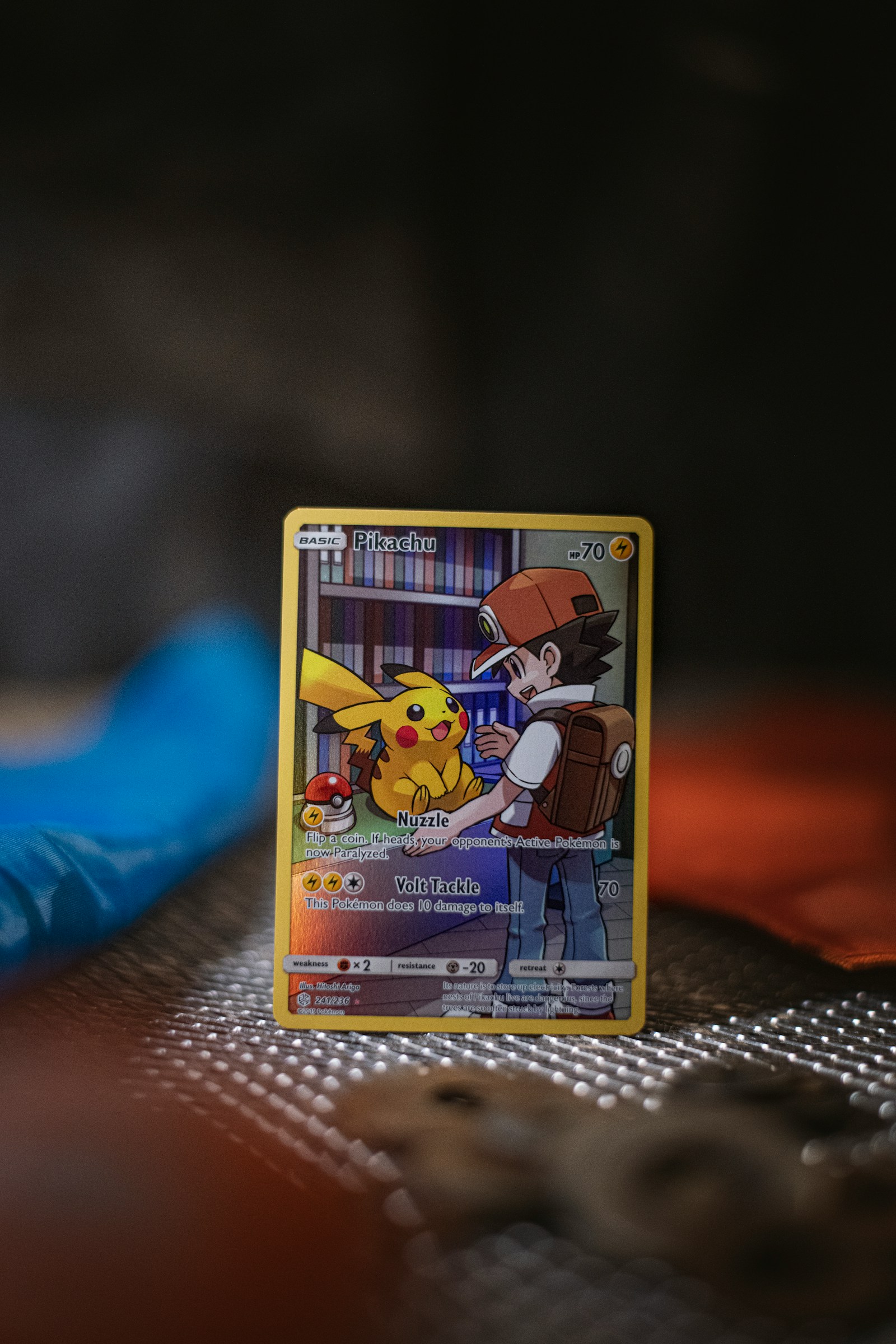
Pokemon card language variants can make a collection feel complete and confusing at the same time. An English card, Japanese card, Korean card, promo print, and reverse holo may share artwork but behave like different collection records.
A language variant checklist keeps those copies from being merged into one vague entry.
Decide which languages count for the goal
Start by writing the scope of the set, binder page, or personal collection. Some collectors want only one copy of the artwork. Others want English plus Japanese, a favorite language, or every version tied to a release.
Record:
- Target language
- Set or product source
- Collector number
- Holo or reverse status
- Promo or stamp status
- Minimum condition
- Price ceiling
The master set budget guide helps when variants start competing with regular set gaps.
Confirm identity before comparing prices
Do not price a Japanese card from the English market by default. Release timing, supply, character demand, and finish can move differently by language.
Use the Pokemon card scanner to confirm the exact card and the Japanese Pokemon card guide when the language changes the context.
Separate duplicates from intentional variants
A duplicate is an extra copy of the same version. A language variant is a separate version you intentionally track. Mixing those ideas creates messy trade piles and false completion counts.
If the copy is intentional, give it a binder slot or collection note. If it is not intentional, move it into trade, sale, or bulk using the duplicate trade pile guide.
Track condition by version
Condition does not transfer across variants. Your English copy might be a binder keeper while the Japanese copy is a grading candidate, or the reverse might be true.
Use the condition tier guide and save notes in your Pokemon card collection app so each version keeps its own role.
The simple rule
A Pokemon card language variant checklist should make every version intentional. Define the languages you collect, confirm exact identity, price each market carefully, separate true duplicates from variants, and keep condition notes tied to the specific copy.