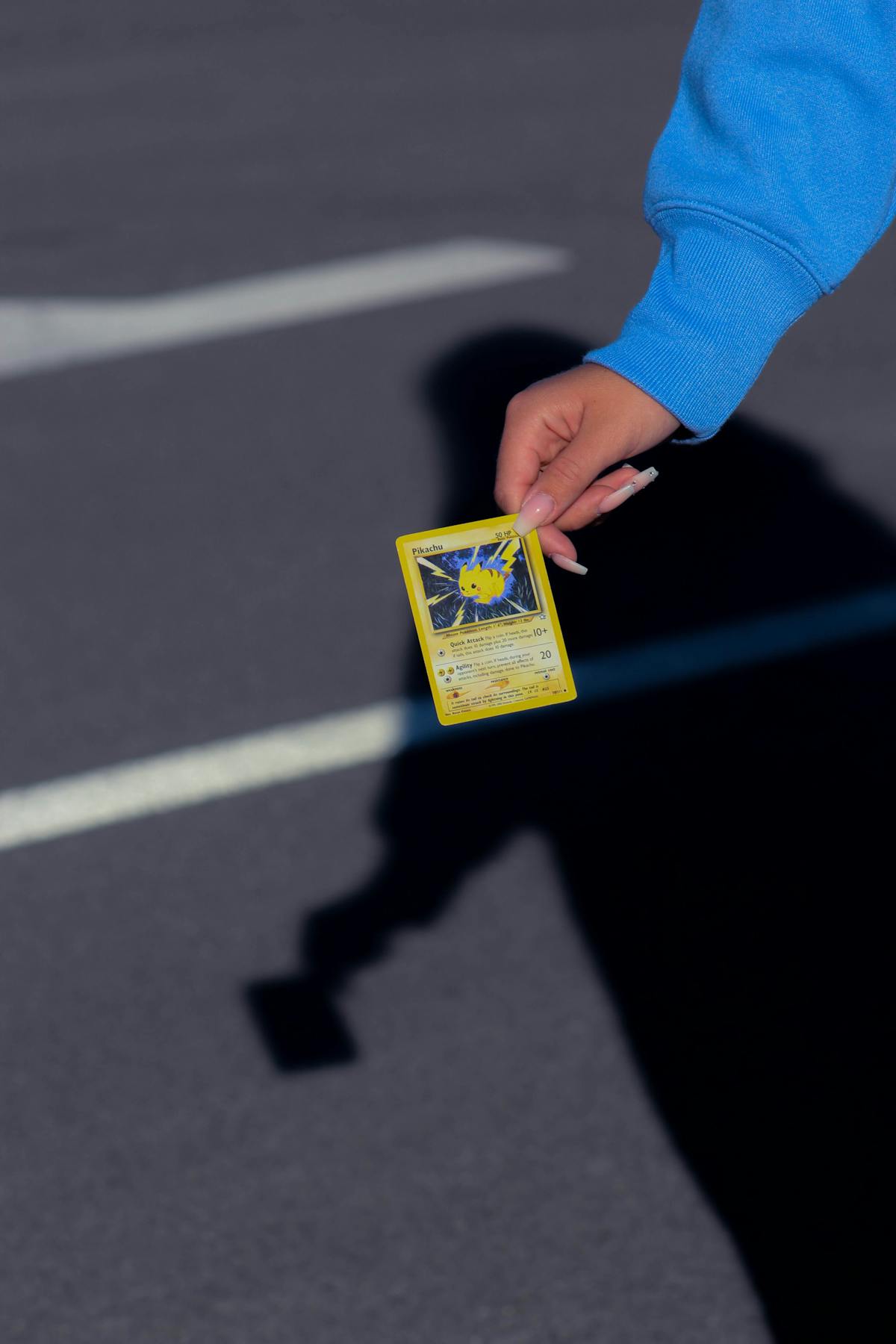
Promos break simple collection rules
Pokemon card promos are fun because they come from products, events, stores, tournaments, magazines, and special campaigns. They are also the reason many checklists become messy. A promo can look like a set card, share artwork with another release, or follow a numbering system that does not fit the binder page you expected.
Tracking promos well starts with deciding how they fit your collection, not with chasing every release automatically.
Decide whether promos belong in the main checklist
Before adding promos to your inventory, define the scope:
- main set only
- main set plus related promos
- character collection
- sealed product promos
- event and stamped variants
- language-specific promo lanes
There is no single correct answer. The wrong answer is leaving the rule vague, because vague rules make progress feel inconsistent.
If you are building a full set, pair this with how to complete a Pokemon master set so promo scope is clear from the beginning.
Record the origin when it changes the card
Promo origin can matter. A card from a collection box, store event, tournament pack, or regional campaign may have different demand than a visually similar set card. If the origin affects value or checklist status, capture it in the record.
Useful notes include:
- product or event source
- stamp or logo
- promo numbering
- language
- whether the card came sealed
That context prevents future confusion when two copies look close but behave differently in the market.
Confirm identity before merging duplicates
Promos are easy to merge incorrectly. Two cards may share the same Pokemon name and art while differing by stamp, numbering, holo treatment, or language. Use a Pokemon card scanner or database workflow before counting them as duplicates.
If the card is hard to identify from a picture, use how to identify Pokemon cards from a picture as the troubleshooting guide.
Price promos against the same promo, not the character
Promo pricing can diverge from the main-set version. Some promos are cheaper because they were widely distributed. Others are more expensive because the release window was narrow or the card stayed sealed in a product collectors wanted.
Use a Pokemon card price checker only after identity is exact. Comparing a promo to a standard set card can make both buy and sell decisions worse.
Keep promo storage visible
Promos often arrive outside normal set-building sessions, so they need a storage rule. You might keep them:
- with the related set
- in a dedicated promo binder
- with character collections
- in sealed product storage
- in a trade binder if they are duplicates
The best location is the one you can predict later. If you keep changing the rule, add a location note in your Pokemon card collection app.
Review promo scope after major releases
New products can add promos quickly. A light review after release waves keeps the checklist from drifting. Ask whether the new promo supports your goal, belongs in a separate lane, or should stay out of scope.
For release-week organization, the Pokemon card release day sorting guide helps keep new pulls and promos from mixing together.
The simple rule
To track Pokemon card promos well, define scope first, record origin when it matters, verify exact identity before merging duplicates, and price promos only against the same release type. Promos should make the collection more interesting, not make the checklist impossible to trust.
If duplicates are the main pain point, continue with how to track Pokemon card duplicates.