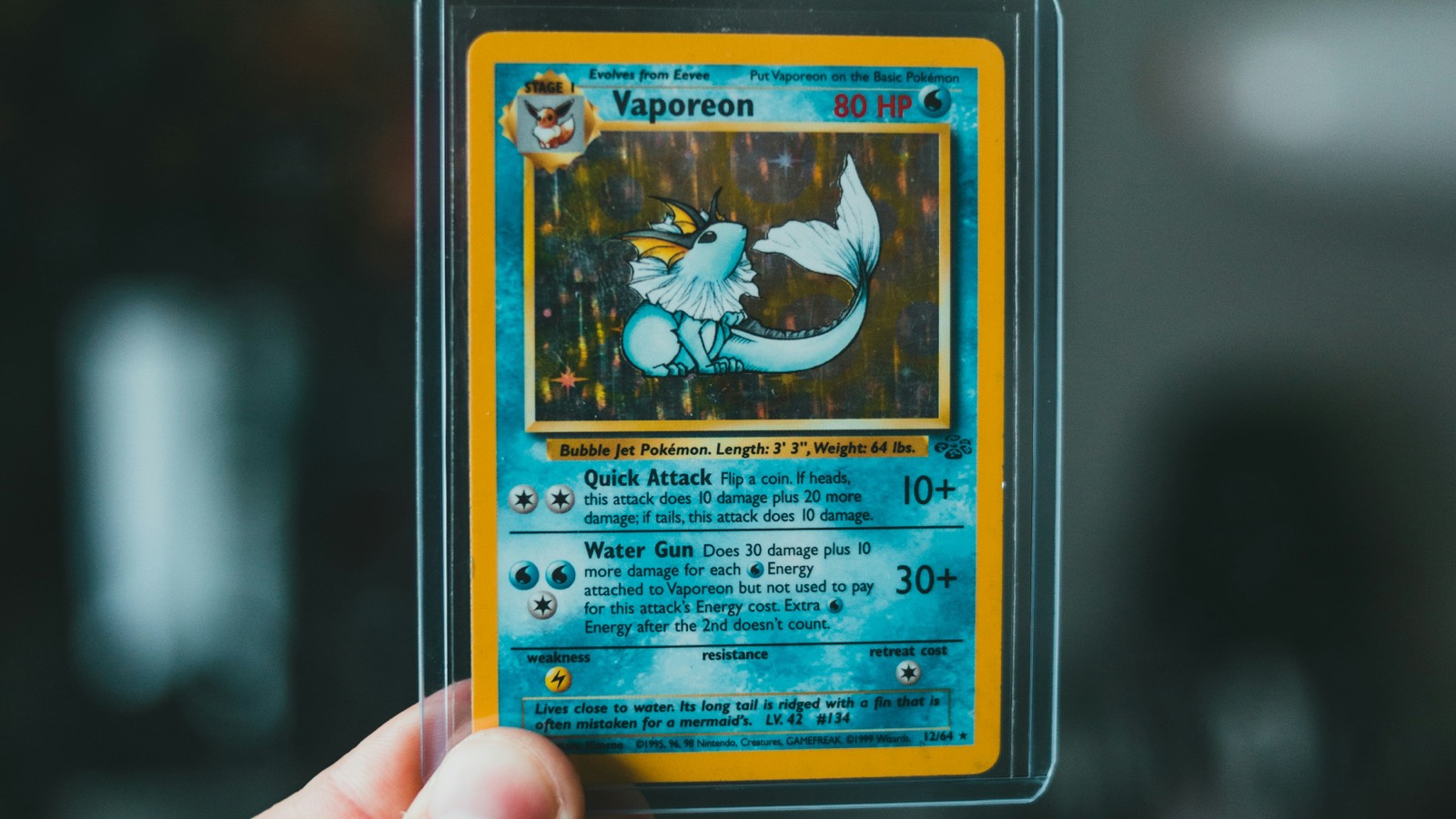
Not every good card should be graded
Grading can protect a card, increase buyer confidence, and make high-end sales easier. It can also lock up money, add fees, and turn a nice binder copy into a disappointing slab if the expected grade was too optimistic.
A grading decision tree keeps the choice practical: grade, keep raw, sell raw, or wait.
Start with the card's job
Before looking at grade upside, decide what the card is for:
- Personal binder copy
- Long-term PC card
- Sale candidate
- Trade piece
- Set placeholder
- High-value protection need
The binder copy vs grading candidate guide helps separate cards you love from cards that actually benefit from submission.
Inspect condition honestly
Check front, back, corners, edges, centering, surface, dents, print lines, stains, and whitening. Small flaws matter more when the expected value depends on a high grade.
Use the condition tier guide first. If the card is not clearly clean, do not price the decision as though a top grade is likely.
Compare raw value to graded outcomes
Look at the raw market price, then compare realistic grade outcomes after fees. Include grading fee, shipping both ways, insurance, supplies, marketplace fees, and the time your money is tied up.
The seller fee calculator guide helps keep the sale side honest. A slab premium is not useful if fees consume the upside.
Use four decisions
Most cards fall into one of four outcomes:
- Grade now because condition, value, and purpose all support it
- Keep raw because the card is for the binder or PC
- Sell raw because grading upside is weak or too slow
- Hold and recheck because price, demand, or condition evidence is unclear
The minimum grade guide is useful when a card only makes sense if it hits one specific grade.
Avoid submission pile drift
A grading pile can quietly become storage for undecided cards. Review it monthly and remove cards that no longer have a clear reason to be submitted.
Use the grading submission tracking guide once cards are actually ready, not while they are still maybes.
Update the collection record
Save the decision in your Pokemon card collection app: raw condition, estimated grade range, target minimum grade, submission status, and whether the card should stay in binder storage.
If you submit it, update the record when the card returns so future price checks use the correct raw or graded status.
The simple rule
A Pokemon card grading decision tree should protect you from grading out of habit. Grade when condition, fees, expected outcome, and collection purpose all agree. Otherwise keep raw, sell raw, or wait with a clear review date.