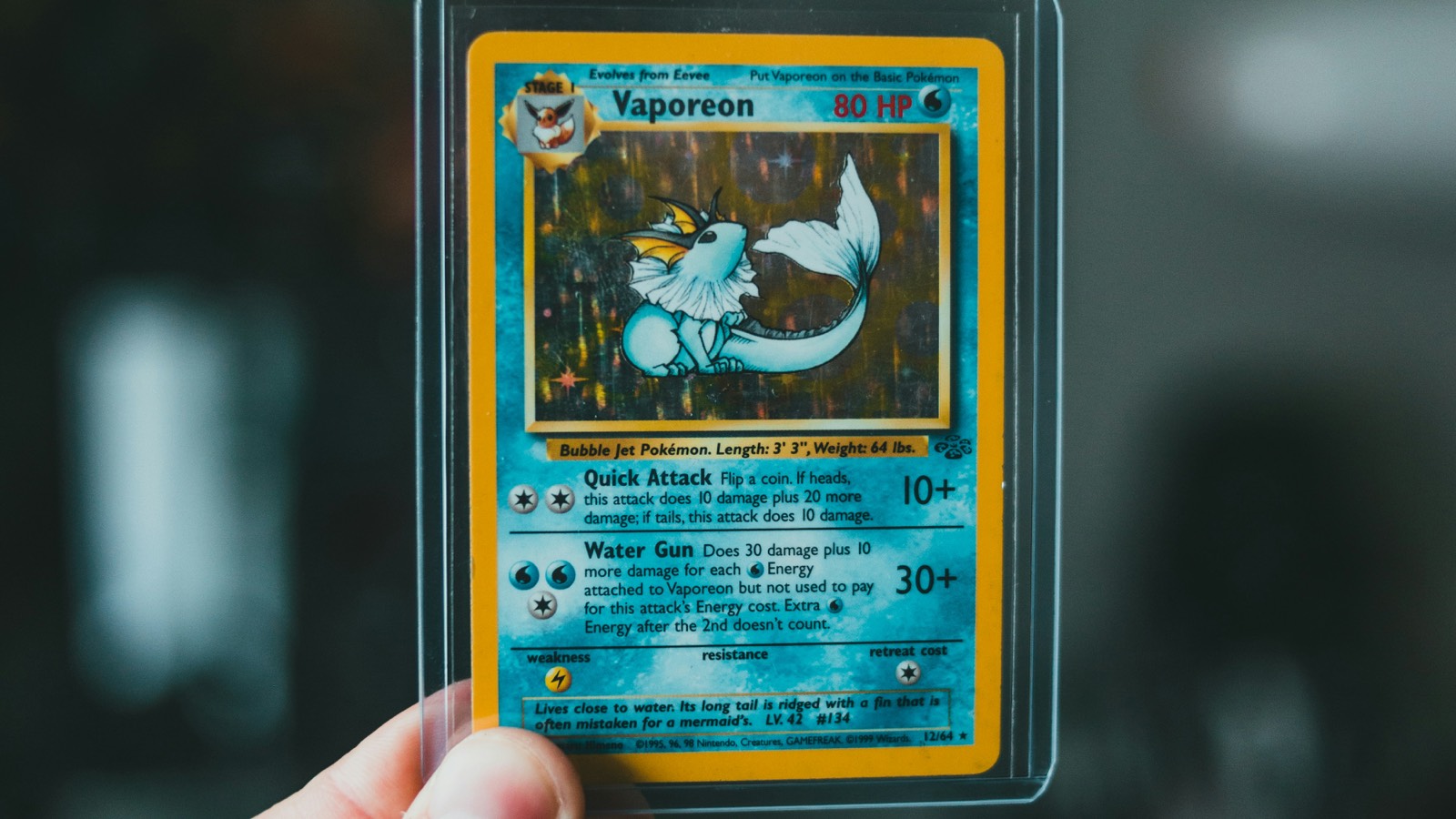
A grading shortlist prevents expensive maybes
Collectors lose money when every clean-looking card becomes a grading candidate. Submission fees, shipping, insurance, turnaround time, and resale risk all matter before the card leaves your desk.
A grading candidate shortlist keeps the review focused on raw cards that deserve a real inspection.
Start with exact identity and current value
Before judging condition, confirm the exact print. A regular card, promo, reverse holo, Japanese copy, and special illustration rare can have completely different grading math.
Use the Pokemon card scanner first, then compare current value with the Pokemon card price checker.
Apply a first-pass value filter
Set a minimum raw value or expected graded upside before spending time on deep inspection. The number depends on your goals, but the rule should be written down.
The grading cost guide helps compare fees against likely outcomes before emotion takes over.
Check condition before centering debates
Centering matters, but surface damage, dents, whitening, and print lines can end the discussion faster. Review:
- Corners
- Edges
- Surface
- Back whitening
- Foil or print defects
- Centering
The pre-grade inspection checklist and condition tier guide keep this consistent.
Put candidates into tiers
A useful shortlist has more than yes or no:
- Ready to prep
- Needs better photos
- Binder copy only
- Hold and watch market
- Do not grade
This stops borderline cards from sneaking into a submission just because they stayed on the desk.
Add the reason for each candidate
Write why each card made the shortlist. Examples:
- Strong value if grade 10
- Personal collection slab goal
- Clean copy but needs centering check
- Market rising, review again next month
- Possible binder upgrade, not submission-ready
The grading decision tree guide helps turn those notes into a final choice.
Prepare only the cards that survive review
Once the shortlist is small, move serious candidates into a prep station, photograph them, and record declared value, service level, and submission timing.
Use the grading prep station guide and grading submission tracking guide when the cards are actually ready.
The simple rule
A Pokemon card grading candidate shortlist should reduce the pile before fees enter the picture. Confirm identity, filter by value, inspect condition, tier the candidates, record the reason, and prep only the cards that still make sense.