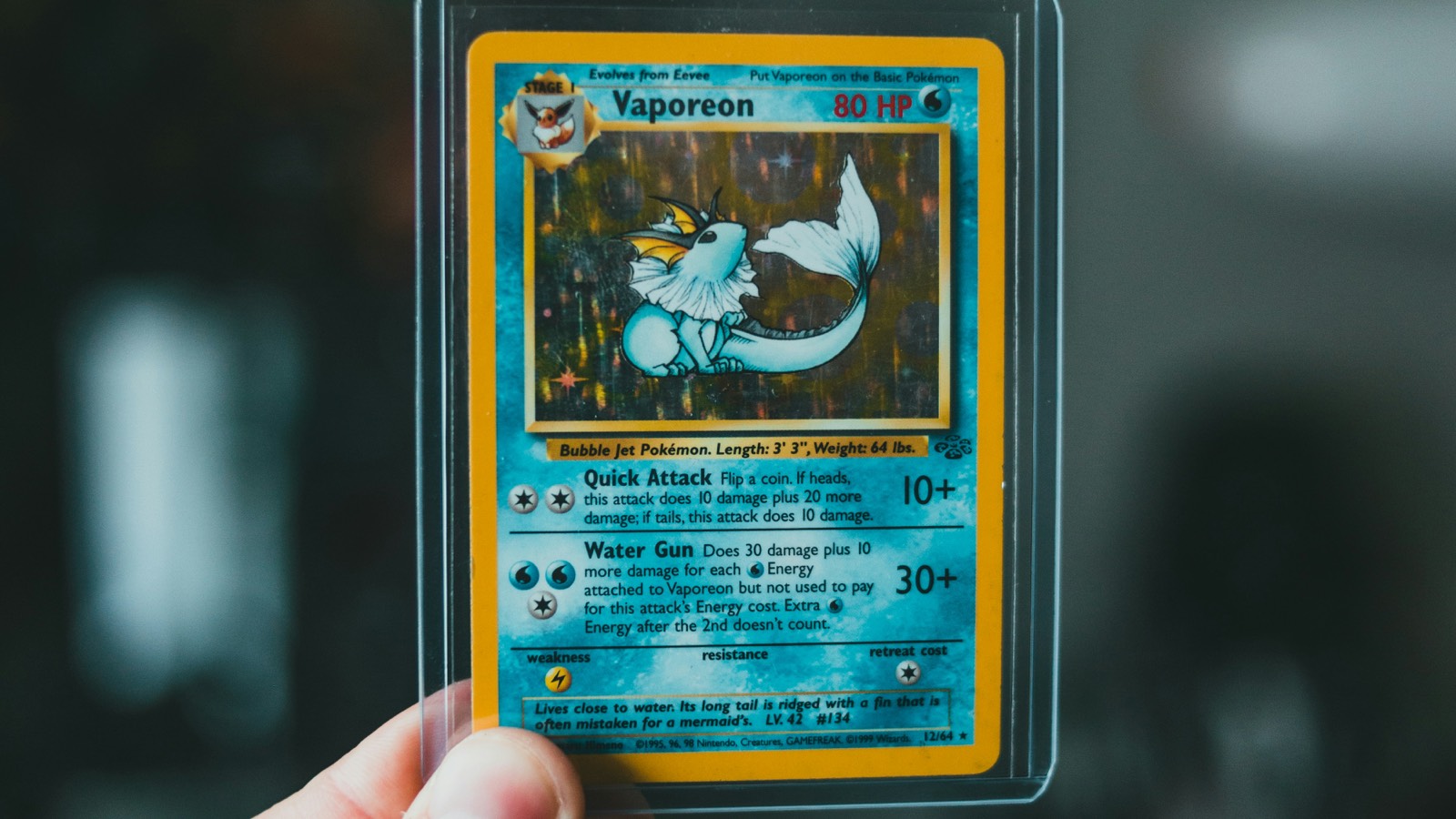
Grading creates a second inventory workflow
Sending Pokemon cards for grading is not just a shipping task. It temporarily removes raw cards from your collection, adds costs, changes condition context, and eventually returns a different kind of collectible: a slab with a grade and certification number.
If you do not track that journey, it becomes difficult to remember what you sent, why you sent it, how much it cost, and whether the final grade was actually worth the submission.
Start before the card leaves your hands
The best grading record begins while the card is still raw. Before submission, record:
- Exact card identity
- Language and variant
- Raw condition notes
- Front and back photos
- Estimated raw value
- Reason for grading
- Expected grade range
This protects you from hindsight bias. If you expected a 10 but the card had visible whitening in your own photos, the submission result is easier to understand.
Use the grading-first checklist before deciding whether a card belongs in the submission at all.
Track submission details separately from collection value
A grading submission has its own costs and dates. Keep those fields separate from the card's market value:
- Grading company
- Service level
- Submission date
- Declared value
- Grading fee
- Shipping and insurance cost
- Order or submission number
- Expected return window
This matters because a card can increase in market value but still be a poor grading decision after fees. A clean record shows the real outcome.
Mark cards as out for grading
While cards are away, your collection should show that they are not normal raw inventory. If you are trading, selling, or auditing value, a submitted card should not be confused with a raw card still in the binder.
Use a status like out for grading, submitted, received by grader, grading, shipped back, and returned. The exact labels are less important than the habit of keeping the card visible in your system.
Record the returned slab clearly
When the card returns, update the record with:
- Grade
- Certification number
- Slab company
- Return date
- Final condition notes if needed
- Current graded value estimate
- Whether the card stays, sells, or moves to display
The graded card tracking guide covers the long-term slab record once the submission is complete.
Compare the result to the original plan
Do not judge a submission only by excitement. Compare the returned grade to the reason you submitted the card. If you submitted for protection, a lower grade may still be acceptable. If you submitted for resale, the grade needs to clear fees and market risk.
For financial decisions, compare raw and graded prices with the raw versus graded price guide. That keeps the result grounded in actual collector math.
Keep failed submissions useful
Not every grading submission works out. A lower-than-expected grade, upcharge, long wait, or returned ungraded card still teaches you something. Add notes about what you missed: centering, surface marks, whitening, print lines, or submission timing.
Those notes make future submissions better. They also stop you from sending similar cards for the same weak reason.
The simple rule
To track Pokemon card grading submissions, record the raw card before it leaves, follow the submission status, capture all fees, and convert the returned slab into a new graded-card record. Grading is easier to judge when the full journey is visible.