Why Unbound Singles Need More Than Standard Shoebox Storage
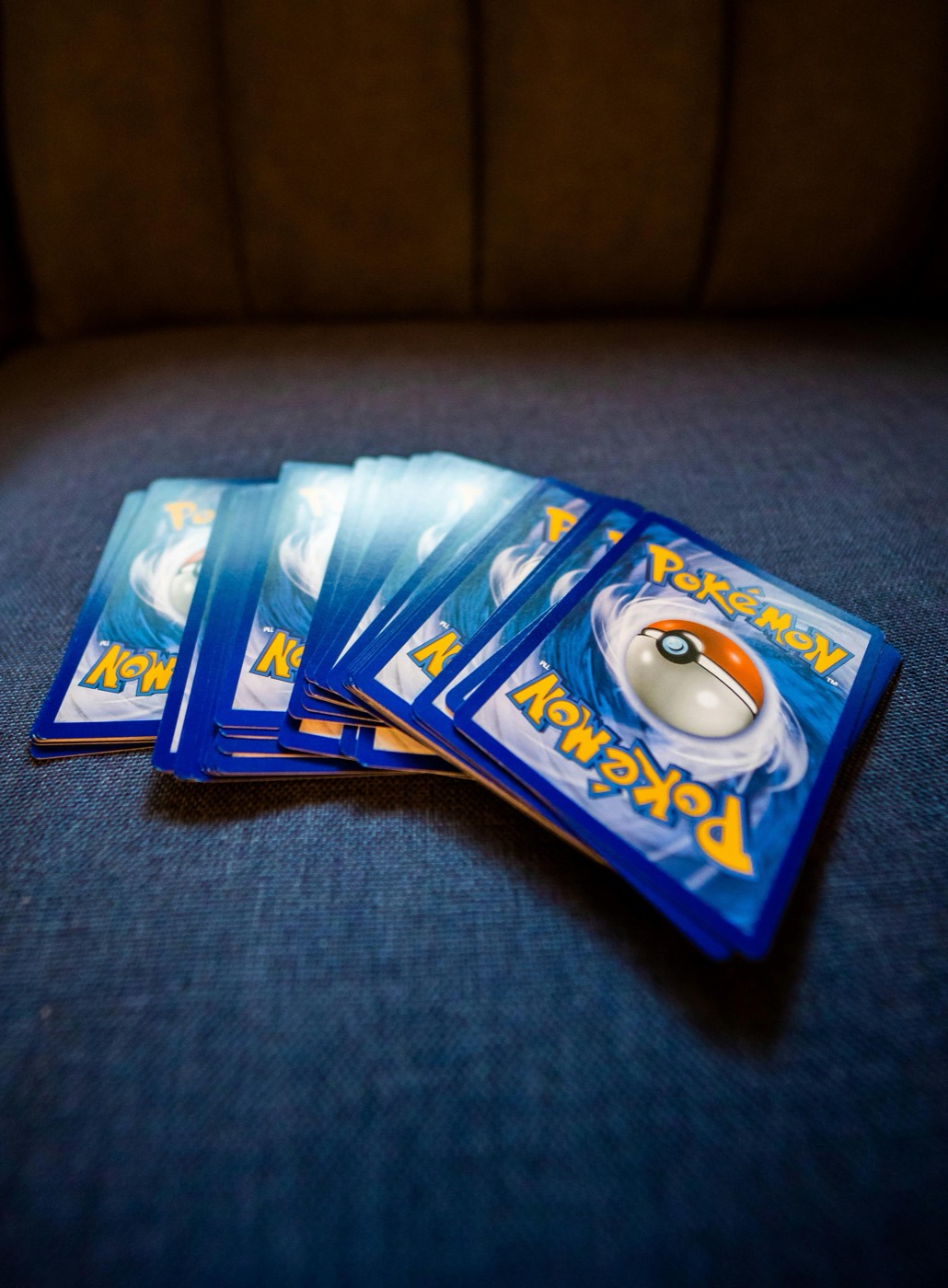
Most Pokemon card collectors devote significant effort to organizing their showcase binders. High-value chase cards, secret rares, and favorite set illustrations naturally earn prime real estate in side-loading binder pages. However, active collecting inevitably generates a massive secondary volume of unbound singles: playables, reverse holos, mid-tier holos, set filler, and extra duplicates that do not fit into primary display binders.
Without a deliberate filing structure, these loose cards frequently end up piled into unsorted cardboard boxes or plastic tubs. Over time, loose storage creates two major problems:
- Physical Wear: Cards shifting unhindered inside large boxes suffer from corner softening, edge whitening, and surface friction scratches against adjacent foils.
- Inventory Drift: When thousands of cards live in unstructured stacks, finding a specific duplicate or checking set availability requires tedious manual searching, often leading collectors to repurchase singles they already own.
Transitioning loose cards into a grid-based archival system eliminates physical damage while keeping every unbound single immediately searchable and accessible.
Setting Up the Physical Grid System for Storage Boxes
A grid-based archival system relies on structured rows, consistent individual card protection, and indexed section dividers. Instead of treating a card box as a open container, treat it as a physical database with fixed coordinates.
Essential Gear for Grid Storage
To construct a durable physical grid, you will need:
- Multi-Row Storage Boxes: Heavy-duty two-row or four-row cardboard storage boxes provide uniform channels that prevent cards from tipping over or shifting sideways.
- Penny Sleeves: Every unbound single—regardless of rarity or estimated trade value—should be placed into a clean polypropylene penny sleeve before entering the grid. Sleeves absorb friction during sorting and prevent static cling between foil surfaces.
- Rigid Card Dividers: High-density plastic or cardboard dividers act as section markers within each row, keeping groups of cards upright and distinct.
- Archival Labels: Clean, removable adhesive labels attached to the outside of each box and row header allow you to identify contents without opening lids.
Mapping Box Coordinates
Assign a simple alphanumeric tag to every physical location in your storage setup. For example:
- Box Identifier: Letter codes (Box A, Box B, Box C).
- Row Number: Numerical index from left to right (Row 1, Row 2, Row 3).
- Sector Marker: Numeric spacing between dividers (Sector 01, Sector 02, Sector 03).
Under this convention, a card filed behind the third divider of the second row in your first box holds the coordinate Box A-R2-S03. This coordinate structure will anchor your entire inventory workflow.
Indexing Cards by Set Code, Rarity, and Box Coordinates
A physical grid is only as effective as the sorting logic governing where cards live. Establishing a consistent filing order ensures that new additions can be stowed quickly without disrupting existing inventory.
Establishing Your Primary Sort Order
Structure your grid according to a three-tier hierarchy:
- Release Era & Set Code: Group cards chronologically by expansion set (e.g., Scarlet & Violet block, Sword & Shield block). Within each set, arrange cards in ascending set number order.
- Variant Classification: Keep standard non-foil prints, reverse holos, and traditional holos grouped logically within their set numbering sequence rather than splitting them into separate bulk boxes.
- Duplicate Thresholds: Decide in advance how many copies of a single card live in the main grid before extra duplicates get moved to a dedicated trade pile or bulk storage box. Holding 3 to 4 copies of playables and set variants in the main grid keeps sector volume manageable.
By keeping set codes and card numbers aligned across rows, you eliminate guesswork when filing new pickups or retrieving singles for trades.
Step-by-Step Digital Intake Routine Using Mobile Scanning
Physical indexing reaches its full potential when paired with a digital collection app. Instead of manually typing card names and set numbers into spreadsheet rows, mobile image scanning accelerates the intake process while maintaining accurate location records.
The Batch Intake Process
Follow this four-step routine whenever you process a batch of new unbound singles:
- Pre-Sleeve and Group: Place every raw card into a penny sleeve and sort the pile roughly by release era and set code.
- Scan for Instant Identification: Use a fast Pokemon card scanner to capture each card's set symbol, card number, and print variant automatically.
- Assign Location Notes: Within your Pokemon collection app, attach your box coordinate tag (e.g.,
Box A-R1-S02) to the card entry or set folder. - File into the Grid Slot: Place the card immediately behind its designated sector divider in the physical storage box.
This systematic approach guarantees that your digital records mirror your physical boxes 1:1. When you need to verify whether you own a specific card, your phone tells you instantly whether it lives in a binder or in a specific storage box row.
Managing Japanese and International Prints Within the Grid
Collectors who import foreign cards often face organization challenges. Japanese Pokemon TCG expansions feature different set sizes, distinct numbering schemes, and release schedules that do not correspond directly to English set releases.
Japanese Card Grid Strategies
To integrate international cards without cluttering your English set blocks:
- Dedicated Language Rows: Allocate specific rows or full boxes exclusively for Japanese cards rather than interspersing them among English cards.
- Symbol-Based Sorting: Japanese sets display clear expansion acronyms and subset markers in the lower corner of each card. Organize Japanese sectors alphabetically by set code, then numerically by card number.
- Scanning Accuracy: Ensure your digital tracking tool supports international sets. If you regularly open imported booster boxes, refer to our detailed guide on how to scan Japanese Pokemon cards to identify variants accurately before filing.
Keeping language prints separated at the row level preserves intuitive browsing while ensuring foreign variants stay easy to track.
Rebalancing Grid Storage as Your Collection Expands
A physical grid is a living system that changes as new expansions release. Periodic maintenance prevents sector overcrowding and keeps your inventory easy to navigate.
Monthly Grid Maintenance Checklist
Set aside 15 to 20 minutes each month to run a basic inventory rebalance:
- Check Sector Compression: Inspect dividers to ensure cards are resting snugly without being pinched or bent. If a row becomes packed too tightly, split the sector across two dividers or expand into an adjacent row.
- Audit Market Movement: Use a reliable Pokemon card price checker to review cards held in your loose grid. If a mid-tier card gains significant collector demand, promote it out of the storage box and into a protected binder page or hard holder.
- Purge Excess Duplicates: If your playable or set duplicate counts exceed your target threshold, extract extra copies and consolidate them into dedicated trade binders or bulk lots.
Regular rebalancing maintains physical protection and keeps your storage layout clean as your collection grows.
Streamline Your Physical Storage with PokeSnap
Building an organized grid-based box system transforms unsorted stacks of loose cards into a searchable physical database. By combining clear box coordinates, consistent sleeving habits, and disciplined digital tracking, you safeguard your cards from unnecessary wear while eliminating the frustration of misplaced singles.
Take total control of your collection inventory with PokeSnap. Scan raw cards in seconds, identify set numbers and variant details instantly, track binder and box locations, and sync your entire Pokemon TCG inventory seamlessly across devices. Discover more organizing strategies on our blog and start scanning with PokeSnap today.