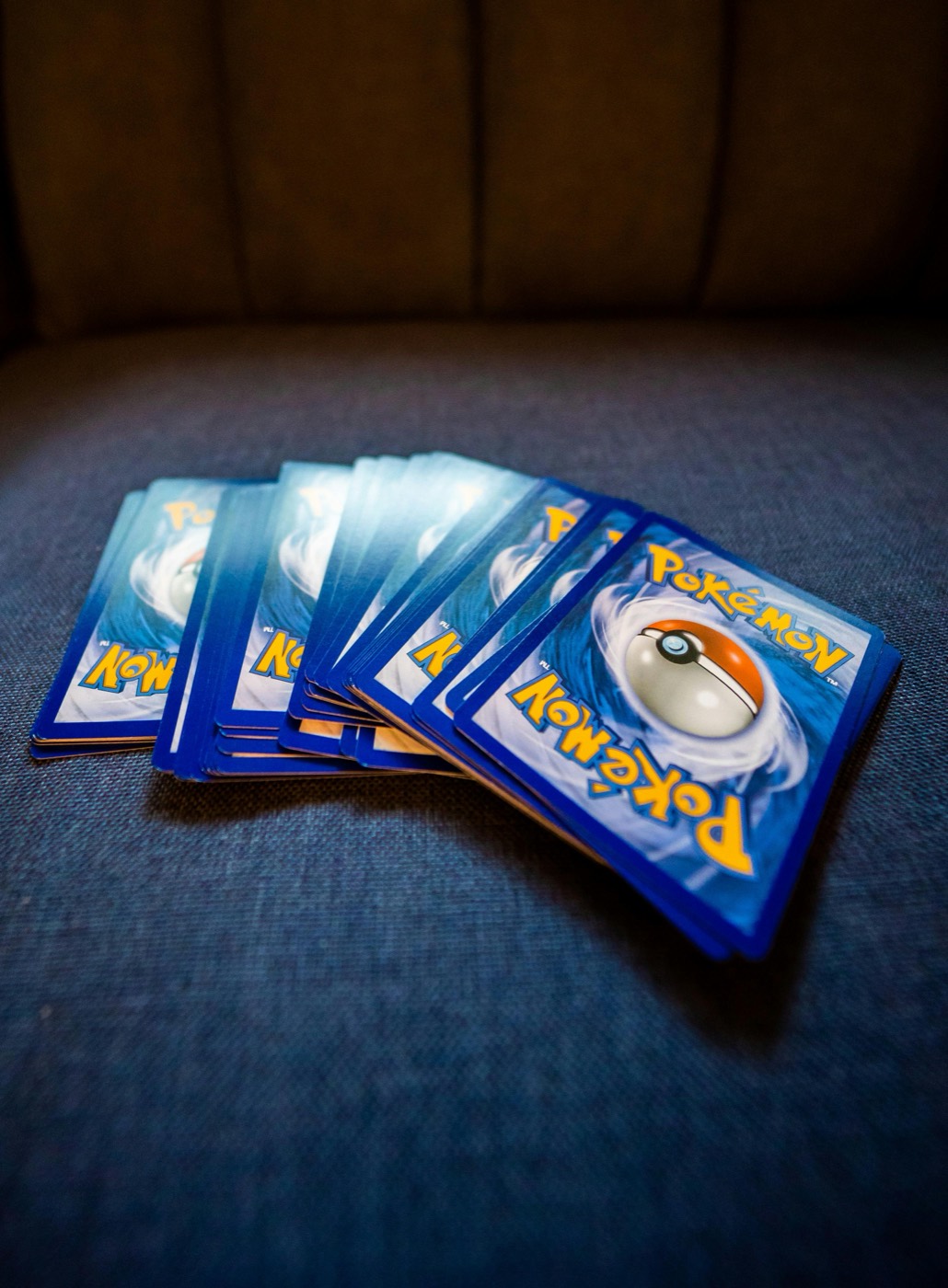
Overflow is a system problem, not just a space problem
Every binder eventually reaches the point where the next card has no obvious place to go. The usual fix is to squeeze more cards into pages, but that creates damage, duplicate confusion, and messy buying decisions.
A binder overflow system gives extra cards a destination before the main binder turns into storage chaos.
Decide what the main binder is for
Start by defining the binder's job. Is it a master set binder, a trade binder, a favorites binder, or a playable staples binder? Once the purpose is clear, overflow gets easier.
Cards that do not support that purpose should move somewhere else instead of stealing binder slots. The binder page map guide can help if you need a cleaner page structure first.
Split overflow into useful lanes
Most collections only need a few overflow categories:
- Duplicate copies
- Condition upgrades waiting for review
- Playable trainer or deck cards
- Bulk and low-value holos
- Cards to sell, trade, or grade
The goal is not to create a complicated archive. The goal is to make every extra card easy to find again.
Use physical labels that match digital records
Overflow boxes work best when the label matches how you track the collection. If your app record says "trade box" but the real box says "extras," you will lose time later.
Use simple names like 'Trade', 'Bulk review', 'Grade candidates', and 'Playable'. Then record those locations in your Pokemon card collection tracker or directly in PokeSnap.
Set a trigger for moving cards out
Overflow should not become permanent clutter. Add a simple trigger for review:
- A duplicate reaches a price threshold.
- A condition upgrade replaces a weaker binder copy.
- A card is no longer playable.
- A bulk box gets full.
- A set page is reorganized.
The weekly collection review guide is a good rhythm for clearing those decisions before they pile up.
Protect cards based on likely next action
Not every overflow card needs the same protection. Low-value duplicates can live in sorted boxes. Better raw cards may need sleeves and top loaders. Trade candidates should be easy to inspect without repeated handling.
Storage should match the card's next likely action, not the collector's anxiety.
The simple rule
A Pokemon card binder overflow system keeps your main binder useful by giving extra cards a controlled place to go. Define the binder's purpose, label overflow lanes clearly, track locations digitally, and review the overflow before it turns into a second messy collection.