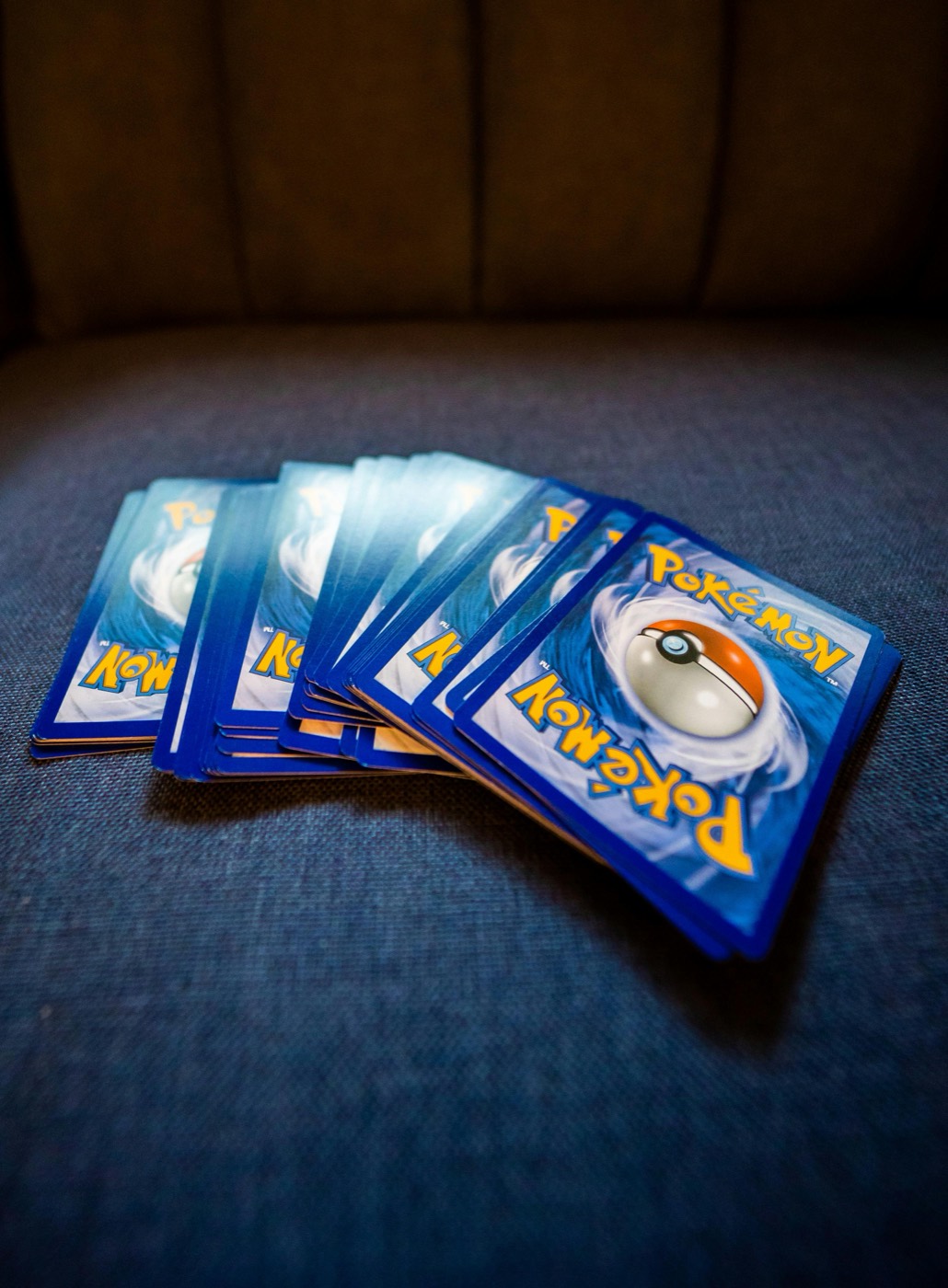
Many collectors dream of owning a dedicated card room lined with custom shelving, glass display cases, and massive sorting tables. For most of us, however, the reality of collecting looks much different. We organize our cards in shared bedrooms, on corner desks, or at the dining room table in small apartments.
When your physical space is limited, an expanding Pokemon card collection can quickly turn from an enjoyable hobby into overwhelming household clutter. Stacks of cards accumulate on your desk, tins pile up in the corner, and finding a specific card becomes a frustrating scavenger hunt.
To keep your collection organized without sacrificing your living space, you need a systematic, compact inventory workflow. By maximizing vertical storage, creating a collapsible sorting zone, and relying on digital tracking, you can manage thousands of cards in a remarkably small footprint.
1. The Vertical Storage Principle: Maximize Your Footprint
When horizontal surface area is at a premium, the golden rule of organization is to go vertical. Storing boxes flat across desks or closet floors eats up valuable space and makes accessing lower boxes a chore.
To optimize your storage footprint:
- Use Stackable, Heavy-Duty Storage Boxes: Avoid flimsy cardboard shoe boxes that warp when stacked. Opt for rigid, plastic-molded card bins or reinforced archival boxes designed to stack safely without crushing the cards inside.
- Store Binders Upright: Never stack your card binders flat on top of one another. The weight of the upper binders can cause the pages of the lower ones to warp, potentially bending the cards or causing binder dings. Store your binders upright on bookshelves, just like regular books.
- Utilize Under-Bed and Closet-Door Storage: The space under your bed is ideal for long, flat storage boxes filled with bulk cards or sorted set binders. Over-the-door pocket organizers can also hold empty tins, deck boxes, or extra packs of sleeves out of sight.
2. Design a Collapsible, Small-Space Sorting Zone
If you do not have a permanent table dedicated to your cards, you need a sorting setup that can be built and packed away in under five minutes. Leaving stacks of unsorted cards on a shared desk or kitchen table is a recipe for lost cards, accidental spills, and household friction.
To build a highly mobile sorting station, invest in a modular sorting tray or a large, rigid neoprene playmat. A tray with built-in card slots allows you to sort cards by set or rarity, and it can be easily lifted and moved to a shelf if you suddenly need to use your desk for work.
Keep a dedicated "intake container" on your desk—such as a small plastic shoe box—where all new purchases, mail day arrivals, and freshly ripped packs go immediately. Do not let loose cards sit on your workspace; if they are not in a binder, a storage box, or the intake container, they should not be on your desk.
3. Digital First: Reduce Physical Clutter with Scanning
One of the biggest space-wasters in card collecting is the need to constantly pull out and flip through physical boxes to check what you own. Every time you open a box to find a card, you risk damaging corners and edges, and you inevitably leave cards sitting out on your desk.
By digitizing your inventory, you can move your physical cards into deep storage (like closets or under-bed bins) while keeping your entire collection fully searchable on your phone.
Using a fast Pokemon card scanner allows you to catalog hundreds of cards in a single sitting. Once your cards are logged into a Pokemon collection app, you no longer need physical access to them to check condition notes, set progress, or quantities. Your digital inventory becomes your primary point of reference, allowing you to keep your physical living space completely clear of card boxes.
4. Implement a Three-Tier Storage System
To keep a small space organized, you must categorize your cards by how often you actually need to handle them. Grouping your collection into three distinct storage tiers prevents low-value cards from cluttering your active workspace:
| Storage Tier | Card Types | Physical Format | Location | | :--- | :--- | :--- | :--- | | Tier 1: Active | Master sets, favorite cards, personal binders | Archival binders | Accessible bookshelf or desk shelf | | Tier 2: Transitional | Trade binders, grading candidates, high-value duplicates | Toploaders in compact storage cases | Closet shelf or desk drawer | | Tier 3: Deep Storage | Common/uncommon bulk, energy cards, basic reverse holos | Multi-row stackable boxes | Under the bed or top closet shelf |
By keeping Tier 3 cards tucked away in deep storage, you ensure that the only cards taking up prime real estate in your room are the ones you actively enjoy looking at or trading.
5. Streamline Your Duplicate Routing Routine
In a limited space, duplicates are your biggest enemy. If you do not have a plan for extra cards, they will quickly overflow your binders and spill onto your desk.
When you scan new cards into your inventory, make immediate routing decisions:
- Check the Value: Use a Pokemon card price checker to determine if the duplicate is worth keeping in your active trade binder or if it should be relegated to bulk.
- The One-Binder Rule: Limit yourself to a single trade binder. If a duplicate card does not fit into your designated trade binder, it must be routed to a bulk box for future sale or trade-in.
- Consolidate Bulk Early: Do not let half-empty bulk boxes sit around. Once a bulk box is full, seal it, label it with the card count, and move it to deep storage or prepare it for a bulk trade-in program. Keeping your bulk consolidated prevents loose cards from migrating back onto your desk.
6. The "One-In, One-Out" Rule for Small Spaces
To maintain a healthy balance in a small home, you must establish physical boundaries for your hobby. Decide exactly how much space you are willing to allocate to your Pokemon cards—whether that is two shelves of a bookcase, a single closet shelf, or three plastic bins.
Once those designated storage spaces are full, adopt a strict one-in, one-out policy. If you want to buy a new booster box or add a new binder to your shelf, you must first sell, trade away, or donate an equivalent volume of cards from your existing inventory.
This boundary forces you to constantly curate your collection, keeping it highly focused on the cards you care about most while preventing the physical clutter from expanding beyond your comfort zone.
7. A 10-Minute Weekly Maintenance Routine
Physical-to-digital inventory systems only work if they stay updated. If you let unsorted cards pile up for weeks, the task of organizing them becomes daunting, and you are more likely to abandon the system altogether.
Dedicate just 10 minutes at the end of every week to maintain your space:
- Clear the Intake Container: Scan any raw cards that accumulated in your intake box over the week.
- File the Scans: Place scanned cards directly into their correct storage tier (binder, toploader box, or bulk bin).
- Wipe Down the Desk: Keep your sorting area clean, dust-free, and free of empty wrappers, sleeves, and cardboard scraps.
Keeping up with these small weekly habits ensures that your workspace stays pristine, your collection remains perfectly cataloged, and your hobby never feels like a chore.
Keep Your Space Clean with PokeSnap
Organizing a Pokemon card collection in a small space is all about working smarter, not harder. By replacing manual entry and constant box-searching with a digital tracker, you can keep your physical footprint small while enjoying your collection to the fullest.
With PokeSnap, you can scan your cards instantly, track your set binder progress, and check values on the go. Download PokeSnap today to clean up your physical card piles and build a streamlined, stress-free digital inventory.