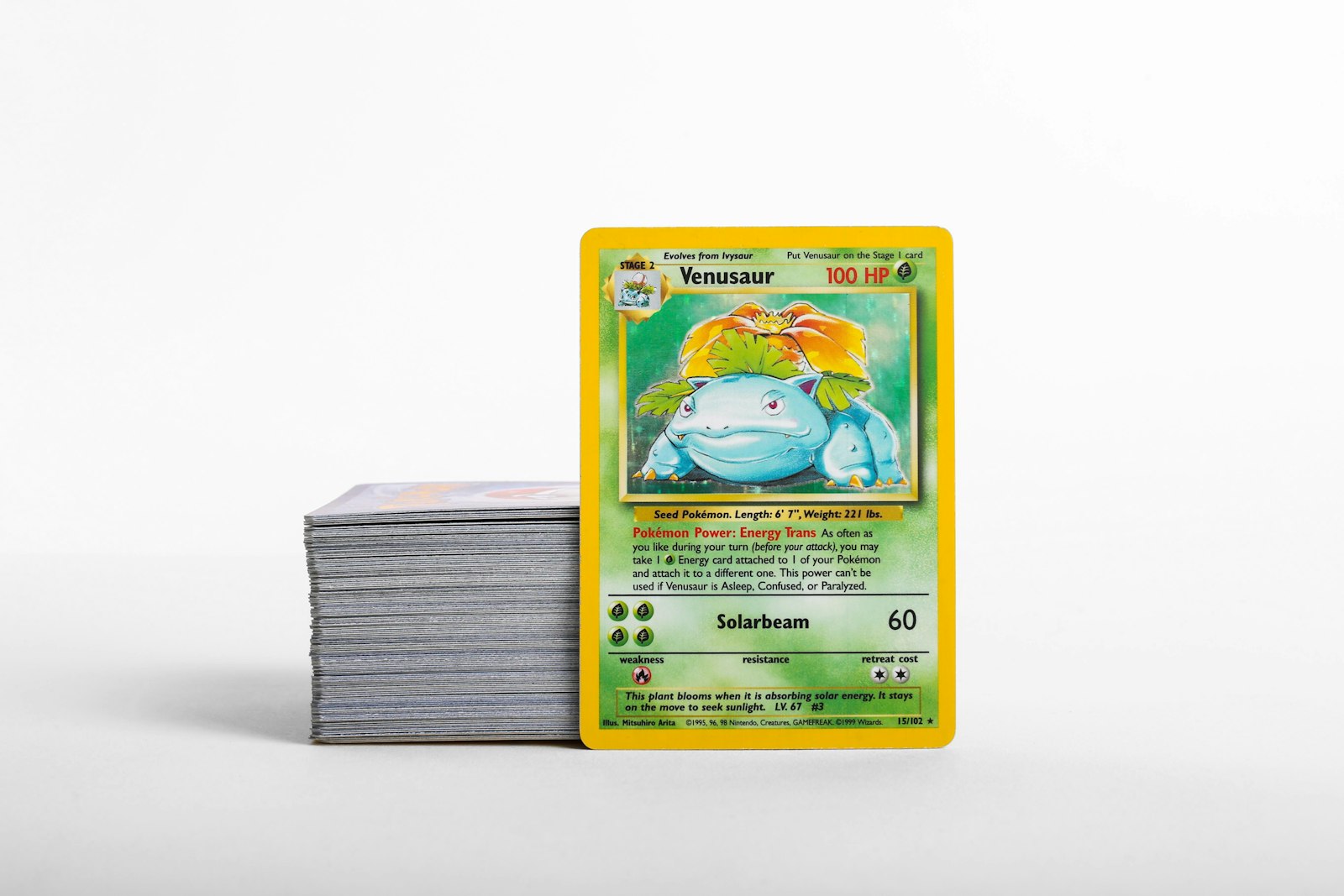
Every Pokemon collector eventually faces the same dilemma: a growing stack of raw cards and a desk covered in different sleeves, binders, and plastic cases. Protecting your collection is not just about buying the most expensive gear on the shelf; it is about matching the physical condition and long-term goals of each card to the right type of storage. Putting a damaged common card in a magnetic case is a waste of resources, while leaving a pristine vintage holo in an open cardboard box invites irreversible wear.
To keep your collection safe without overspending on plastic, you need a systematic approach. By mapping raw card condition directly to specific protection tiers, you can preserve your cards' surfaces, corners, and edges while keeping your inventory organized and easy to browse.
Here is how to evaluate raw Pokemon card condition and match every card with its ideal protective home.
1. The Three Pillars of Raw Card Inspection
Before you can decide how to store a card, you must inspect its current physical state. Do not rely on a quick glance under normal room lighting. Instead, set up a clean, flat workspace with a bright, direct light source (such as a desk lamp) and check for three main types of wear:
- Surface Wear: Tilt the card slowly under the light. Look for fine scratches on the holofoil, dull spots, fingerprints, oily residue, or minor indents.
- Edge and Corner Whitening: Flip the card over to inspect the dark blue back. The edges and corners are highly susceptible to chipping, which reveals the white paper stock underneath.
- Structural Integrity: Check if the card is perfectly flat. Foil cards from modern sets are prone to curling due to humidity changes. Look closely for tiny creases, bends, or water rippling along the borders.
Once you have a clear picture of the card's physical condition, you can assign it to a protection category.
2. Tier 1: Pristine to Near Mint (NM) Cards
Cards in Near Mint or pristine condition show virtually no signs of wear. The edges are crisp, the corners are sharp, and the surface is free of scratches or scuffs. These are your most valuable hits, favorite chase cards, or potential grading candidates.
#### The Protective Strategy: Maximum Defense For these cards, your goal is to eliminate any chance of friction, dust accumulation, or physical impact.
- The Double-Sleeve Method: Start with a clear, perfect-fit inner sleeve inserted from the top of the card. Then, slide the card into a standard penny sleeve or deck protector sleeve from the bottom. This creates a dust-proof, water-resistant seal.
- Toploaders and Semi-Rigid Holders: Once double-sleeved, place the card into a rigid plastic toploader or a semi-rigid holder. This prevents the card from bending and shields it from accidental drops.
- Magnetic One-Touch Cases: For your absolute favorite raw singles, a magnetic one-touch case provides a beautiful display while offering rigid UV-resistant protection. Always use a perfect-fit sleeve or a small piece of clear plastic over the card surface before closing the case to prevent the plastic from rubbing against the card's face.
3. Tier 2: Lightly Played (LP) and High-Value Binder Cards
Lightly Played cards may have minor edge whitening, a tiny speck on a corner, or a few faint hairline scratches on the surface. They still look excellent on display, but they do not require the extreme, bulky defense of individual rigid cases. This tier also includes modern holo rares and reverse holos that you want to keep organized.
#### The Protective Strategy: Accessible Preservation These cards belong in high-quality binders where you can easily enjoy the artwork without risking physical damage during handling.
- Single-Sleeving: Always sleeve these cards before putting them in a binder. A standard, high-quality deck protector sleeve with a matte back works best. It prevents the card from sliding around inside the binder pockets.
- Side-Loading Binders: Avoid old-school three-ring binders with metal rings, as the rings can easily dent the inner column of cards when closed. Instead, use archival-safe, acid-free, side-loading binders with built-in pages. Side-loading pockets prevent cards from falling out of the top when the binder is carried or stored vertically.
4. Tier 3: Moderately Played (MP) to Heavily Played (HP) Cards
Moderately to Heavily Played cards show obvious signs of wear, such as moderate edge whitening, surface scuffs, minor creases, or silvering along the borders. While these cards have character, they are no longer candidates for premium display. However, they still deserve protection to prevent further decay.
#### The Protective Strategy: Bulk Grouping and Stability Your main goal here is to stop minor wear from turning into severe damage, such as deep creases or peeling layers.
- Penny Sleeves: A simple, acid-free penny sleeve is cheap and highly effective. It keeps the surface clean and prevents friction when cards slide against each other.
- Deck Boxes and Storage Trays: Once sleeved, these cards can be stored safely in sturdy plastic deck boxes or heavy-duty cardboard storage trays with dividers. Ensure the cards are packed snugly enough to prevent sliding, but not so tightly that the pressure bends them.
5. Environmental Rules for Long-Term Storage
No matter how many sleeves or plastic cases you use, environmental factors can quietly ruin your collection over time. Keep your storage area aligned with these three rules:
- Control the Humidity: High humidity causes foil cards to curl (or "foil curl") as the paper backing expands faster than the metallic foil layer. Keep your collection in a room with stable humidity (ideally between 35% and 50%). Consider placing silica gel packs inside your storage boxes to absorb excess moisture.
- Avoid Direct Sunlight: UV rays fade the ink on Pokemon cards quickly. Never display raw cards on shelves or walls where they receive direct sunlight, even if they are in UV-resistant cases.
- Store Binders Flat or Vertically with Support: If you store binders vertically on a bookshelf, ensure they are supported on both sides so they do not lean. Leaning binders can warp the pages and cause the cards inside to bend over time.
6. Integrating Physical Storage with Digital Tracking
As your collection grows and you distribute cards across binders, toploaders, and bulk boxes, keeping track of where everything lives becomes a challenge. The best way to manage this is by pairing your physical storage system with a digital pokemon collection app.
When you scan a new card using a high-speed pokemon card scanner, take a brief second to note its physical condition. You can organize your digital list to match your physical layout—creating separate virtual binders or boxes that correspond to your real-world shelves. This ensures you always know exactly which cards are safely tucked away in premium sleeves, which are in your trade binders, and which are stored in bulk boxes.
Before you finalize any trades or buy new singles to fill your gaps, run your cards through a reliable pokemon card price checker to make sure your protection priorities match the current state of your collection.
Keep Your Collection Safe and Organized
Protecting your Pokemon cards does not have to be a guessing game. By inspecting raw condition carefully and mapping each card to the right combination of sleeves, binders, and boxes, you preserve both the visual appeal and the structural integrity of your collection for years to come.
To make tracking, sorting, and valuing your newly protected cards effortless, download PokeSnap. With PokeSnap, you can scan your cards in seconds, monitor their condition, and keep your digital inventory perfectly in sync with your physical storage. Check out the PokeSnap blog for more practical guides on organizing and protecting your collection!