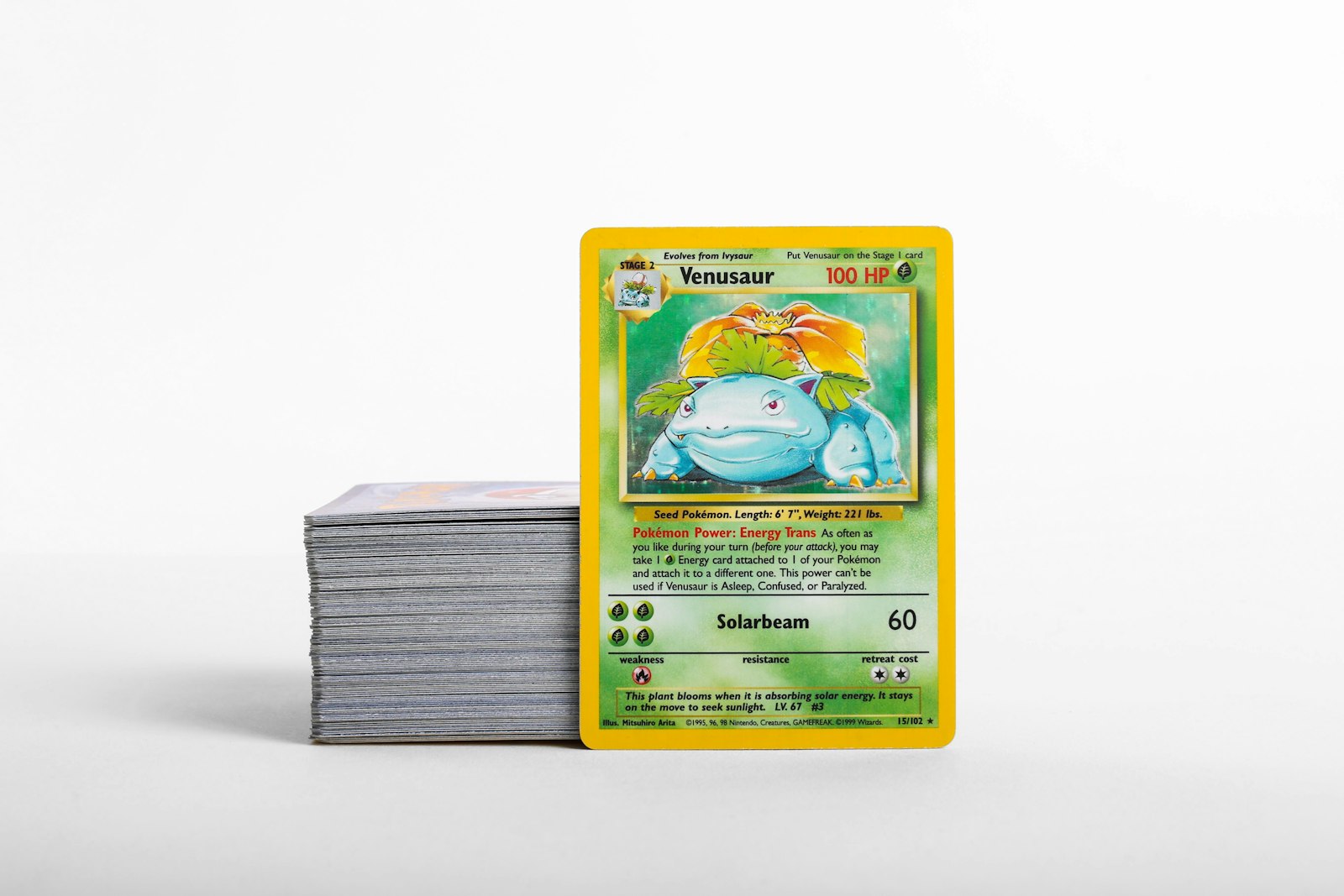
Every Pokemon card collector eventually faces a desk covered with singles that fail to fit neatly into a single storage category. A vintage holographic card might have flawless corners but micro-scratches across the foil. A modern chase card might come fresh out of a booster pack with crisp edges but slight horizontal foil curling. Meanwhile, an older card might show mild corner softening that could easily turn into a noticeable crease if inserted into a tight binder pocket.
Storing raw cards isn't a one-size-fits-all process. Matching each card's specific physical flaws to the right protective gear prevents minor wear from becoming permanent damage. By evaluating wear patterns early and routing cards into appropriate sleeves, binders, or hard cases, you maintain your collection's physical integrity and long-term condition.
Why Flawed Cards Require Tailored Storage Decisions
Treating every card in your stack identically is one of the easiest ways to accelerate subtle physical wear. Standard penny sleeves offer excellent dust protection, but they leave room for slight internal movement. If a card already has micro-whitening along its back edges, sliding it loosely inside a loose binder pocket allows the edge to rub against inner plastic seams during page turns.
Conversely, forcing a slightly warped foil card into a rigid binder pocket can apply uneven pressure, turning a gentle natural curl into a visible surface pinch. Categorizing cards by their primary vulnerabilities allows you to choose storage formats that neutralize existing stress rather than adding to it.
Step 1: Handling Surface Micro-Scratches and Foil Clouding
Surface scratches on holographic surfaces are often subtle under room lighting but become obvious under direct LED illumination. Micro-scratches typically occur when grit gets trapped inside a sleeve or when bare cards rub against each other inside unsorted boxes.
- Soft Penny Sleeves: Always function as your first line of defense. Soft polypropylene sleeves prevent direct contact between raw surfaces and outer hard cases.
- Exact Fit Sleeves: Use with extreme caution on textured or delicate holos. Forcing an exact fit sleeve over a card with fragile edges can scrape the border. However, when paired carefully inside a second outer sleeve, they lock out dust and ambient humidity.
- Avoiding Friction: Never wipe a dusty holographic surface with raw fingers or rough towels. Dry wiping traps dust particles, dragging them across the foil finish and creating fresh micro-scratches.
Before assigning a freshly identified hit to a binder or storage box, check its cataloging status using a reliable Pokemon card scanner to log its exact variant and baseline details before put-away.
Step 2: Protecting Whitened Edges and Softened Corners
Whitening occurs when the protective paper layers of the card stock wear down, exposing the underlying white paper fiber. Once whitening starts, the exposed paper layer becomes softer and far more susceptible to lifting or fraying.
To protect cards with edge wear or minor corner softening:
- Avoid Tight Toploader Entry: Never force a card with softened corners into a tight top-loading plastic holder. The top edge of the card can catch on the stiff plastic rim, bending the corner back.
- Use Sleeves with Generous Clearance: Place the card into a standard penny sleeve first, guiding the bottom edge through the sleeve opening smoothly without letting the corners snag.
- Opt for Side-Loading Binder Pages: If placing whitened cards into a binder, choose side-loading pages with low-friction backing sheets. Side-loading pockets reduce the risk of top-edge snagging when inserting or removing cards.
If you regularly trade or catalog singles across multiple printings, using a dedicated Pokemon card price checker lets you track market trends for played and light-wear raw copies without confusing them with unblemished specimens.
Step 3: Managing Foil Curl and Atmospheric Warping
Foil curling is a common issue affecting holographic singles, especially full art, illustration rare, and vintage foil cards. Foil layers react differently to humidity swings compared to the paper backing, causing the card edges to curve outward or inward.
- Flat Compression Storage: Store curled cards inside a clean sleeve between two heavy, flat surfaces (such as hardbound books or weighted top-loader stacks) in a climate-controlled room.
- Avoid Over-Tight Binders: Forcing a curled foil into a rigid, narrow binder pocket can create stress lines across the card center.
- Desiccant Packs: Keep silica desiccant packs inside sealed storage boxes to stabilize moisture levels and prevent environmental humidity from altering foil shape.
Whether you collect modern English hits or choose to scan Japanese Pokemon cards from specialty sets, maintaining stable humidity is essential for preserving pristine foil layers over time.
Step 4: Structuring Your Storage Setup by Wear Tier
Organizing your protection hardware into defined tiers simplifies intake and keeps your desk clean during big collection reviews.
- Tier 1: High-Value or Delicate Singles: Soft penny sleeve combined with a clean top-loader or magnetic case. Best for unblemished holos, vintage singles, and primary collection hits.
- Tier 2: Binder Collection Copies: Soft sleeve paired with a side-loading ringless binder page. Best for complete set binders, playables, and moderate-value cards with minor edge wear.
- Tier 3: Bulk and Common Singles: Clean storage boxes with rigid card dividers. Avoid over-packing boxes; tight pressure can dent top edges, while loose boxes allow cards to tilt and bend.
For active collectors managing multiple binders and bulk storage boxes, explore our guides on the PokeSnap blog for practical systems to keep physical storage perfectly aligned with your digital records.
Keeping Physical Protection and Digital Logs in Sync
Assigning protection gear based on card condition is only half the battle; tracking where every card lives keeps your collection usable. When cards move between trade binders, top-loader storage boxes, and grading staging queues, having real-time visibility into your inventory prevents rebuying duplicates or losing track of high-value singles.
Using a comprehensive Pokemon collection app allows you to attach custom condition notes, track binder locations, and monitor overall collection value directly from your phone.
Streamline Your Collection Management with PokeSnap
Protecting your Pokemon cards requires matching the right storage gear to every corner flaw, surface mark, and foil curve. Once your physical setup is structured, PokeSnap makes cataloging effortless. Simply scan any card to identify its set, document its condition, track live price movements, and keep your entire collection organized—all in seconds. Download PokeSnap today to keep your collection safe, searchable, and always up to date.