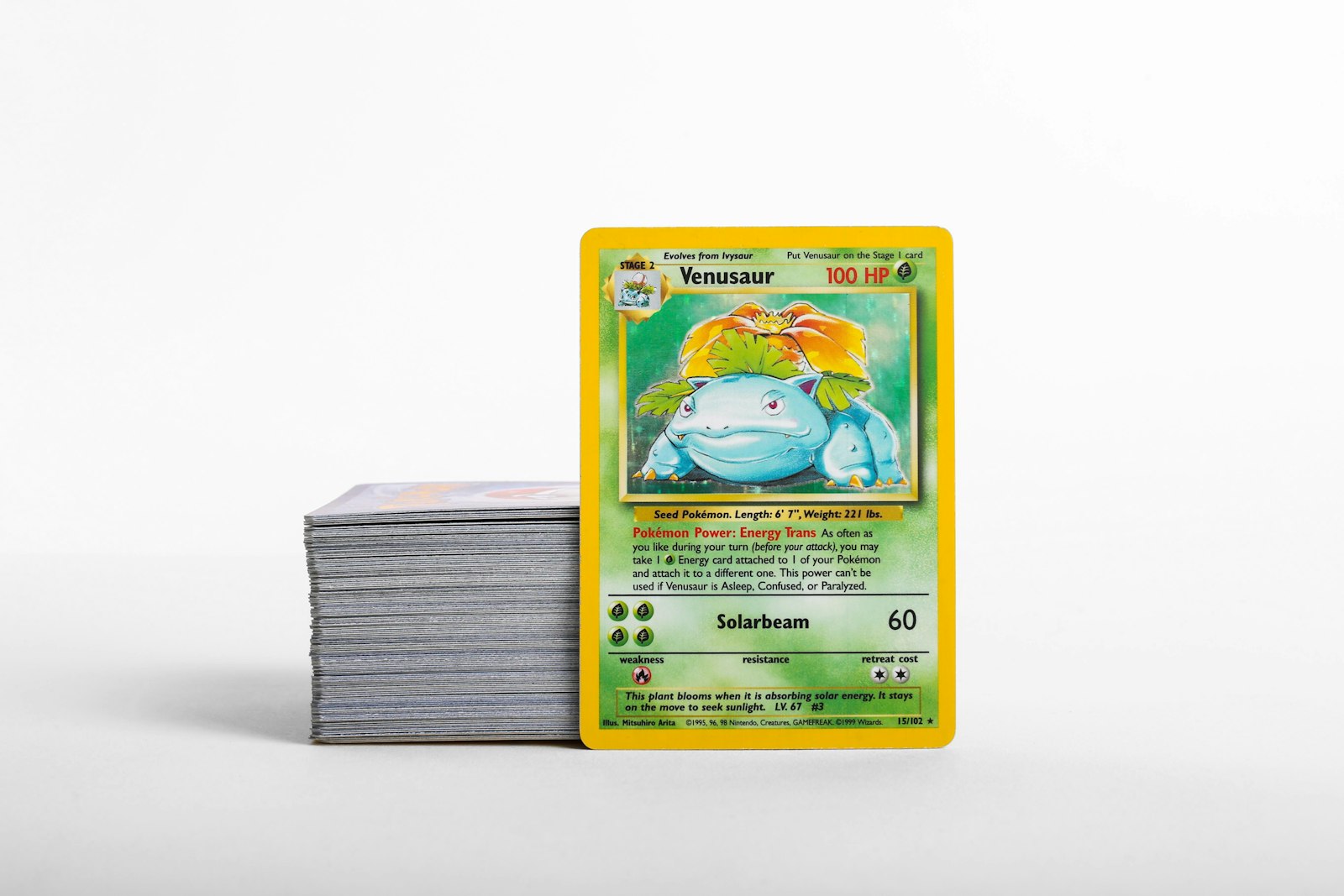
Every collector knows the sting of finding a beloved card from their childhood, only to realize years of improper storage have left it with silvered edges, bent corners, or deep surface scratches. Card preservation isn't a one-size-fits-all solution. A common mistake is using the exact same storage method for a high-value, pristine holographic card as you do for standard bulk.
To keep your cards safe, you must match their physical condition and rarity to the correct level of physical protection. Tailoring your storage setup not only prevents future wear but also keeps your collection organized and accessible. Here is how to evaluate your cards and select the perfect protective gear for your collection.
Why Your Protection Strategy Must Match Card Condition
When a card is freshly pulled from a pack, it is at its most vulnerable. The paperboard and foil layers are sensitive to physical contact, humidity, and oils from your skin. Even cards that already show minor wear need the right storage to prevent that wear from worsening.
If you place a card with pre-existing edge wear into a tight, low-quality binder pocket, you risk peeling the cardboard layers further. Conversely, over-protecting common cards with expensive magnetic cases is both costly and space-consuming. By aligning your protection strategy with the condition and value of each card, you optimize your budget, save physical space, and ensure your most valuable assets remain pristine.
Evaluating Your Card's Wear Profile
Before purchasing boxes of top loaders, sleeves, or premium binders, you need to know exactly what you are protecting. Take a close, structured look at your cards under a bright, neutral light source. Focus on three main areas:
- Edges: Check for silvering (where the foil shows through the borders) or whitening on the back edges. Fragile or slightly peeling edges require gentle handling and should never be forced into tight sleeves.
- Corners: Look for fraying, splitting, or rounding. Sharp corners are easily damaged by impact, meaning these cards need rigid physical barriers to prevent corner dings.
- Surfaces: Inspect for light scratches, fingerprints, print lines, or cloudiness on the foil. Holographic surfaces are highly susceptible to micro-abrasions from dust or rough sleeve interiors, requiring soft, clean barrier sleeves.
Once you understand the physical state of your cards, you can divide them into tiers to determine which storage route is best.
The Best Storage Setup for Binder-Quality Cards
Cards with minor wear, or modern hits that you want to browse regularly, belong in a high-quality binder setup. Binders allow you to enjoy your collection without handling the cards directly. However, you must follow a few ground rules to keep binder cards safe:
- Always Sleeve First: Never place a raw card directly into a plastic binder page. The rough plastic of the page can scratch the card surface during insertion or removal. Always use a penny sleeve or a perfect-fit sleeve first.
- Use Side-Loading Pages: Avoid plastic pages that load from the top. Cards can easily slide out when the binder is turned, carried, or stored upside down. Side-loading pockets keep cards securely locked in place.
- Choose D-Ring or Bound Binders: Avoid traditional 3-ring binders with O-rings. The heavy metal rings can easily pinch and crease the cards closest to the spine when the binder is closed. Opt for strap-closed, bound binders or D-ring binders where the rings are mounted to the back cover rather than the spine.
Keeping your binder cards cataloged in a pokemon collection app helps you track which cards are safely tucked away in your sets and which ones still need to be sourced.
Heavy-Duty Defense for Premium Raw Cards
For cards in excellent condition, or those with significant trade value, standard binder pages might not offer enough structural support. These cards require individual, rigid protection.
- The Penny Sleeve + Toploader Combination: This remains the gold standard for shipping and individual storage. The soft penny sleeve protects the delicate surface from scratches, while the rigid plastic of the toploader prevents bending, warping, and corner dings. Always insert the card into the penny sleeve first, then gently slide the sleeved card into the toploader.
- Semi-Rigid Holders: Often used for grading submissions, these holders keep the card completely flat and immobile. However, because they are tight, they can be difficult to use. Be careful not to force a card with pre-existing edge wear into a semi-rigid holder, as you can easily bend the corners during insertion.
- Magnetic One-Touch Cases: These cases offer excellent display value and strong physical protection. However, to prevent the hard plastic interior from rubbing against the card's edges, ensure you use a case with a recessed corner design. For added safety, place a penny sleeve over the face of the card before closing the magnetic lid.
Environmental Hazards That Bypass Physical Cases
Even the strongest plastic case cannot protect your cards from environmental damage if they are stored in the wrong room. Cardboard is highly sensitive to its surroundings:
- Humidity: High humidity causes cardboard to absorb moisture, leading to "foil curl" where holographic cards warp into a curve. Keep your storage boxes in a dry, climate-controlled room. Consider adding silica gel packs to your storage bins to absorb excess moisture.
- UV Light: Sunlight and harsh indoor lighting fade ink over time, turning vibrant cards dull. Never display raw cards in direct sunlight. If you want to show off your favorite hits on a shelf, use UV-resistant display cases or keep them in a dark cabinet.
- Dust and Dirt: Over time, fine particles can settle inside loose sleeves and act like sandpaper against the card's surface. Store your binders and boxes upright in closed storage containers to minimize dust exposure.
Keeping Track of Your Protected Inventory
As your collection grows, it becomes harder to remember which cards are stored in binders, which are in toploaders, and what condition they are in. Pulling cards out of their protective cases repeatedly just to check their condition or set number increases the risk of accidental damage.
Using a digital pokemon card scanner allows you to catalog your cards instantly without excessive physical handling. Once scanned, you can use a pokemon card price checker to monitor your collection's overall standing. This digital record helps you make smart decisions about which cards deserve an upgrade in physical protection, all without having to flip through physical binders or open storage boxes.
Streamline Your Collection Care with PokeSnap
Protecting your cards physically is only half the battle; keeping your records organized is the other. With PokeSnap, you can scan your cards in seconds, track their conditions, and organize your digital binders effortlessly.
By digitizing your inventory, you can view your entire collection, check values, and plan your next protection upgrades without ever risking damage to your physical cards. Download PokeSnap today on iOS or Android to keep your collection perfectly cataloged, valued, and safe.