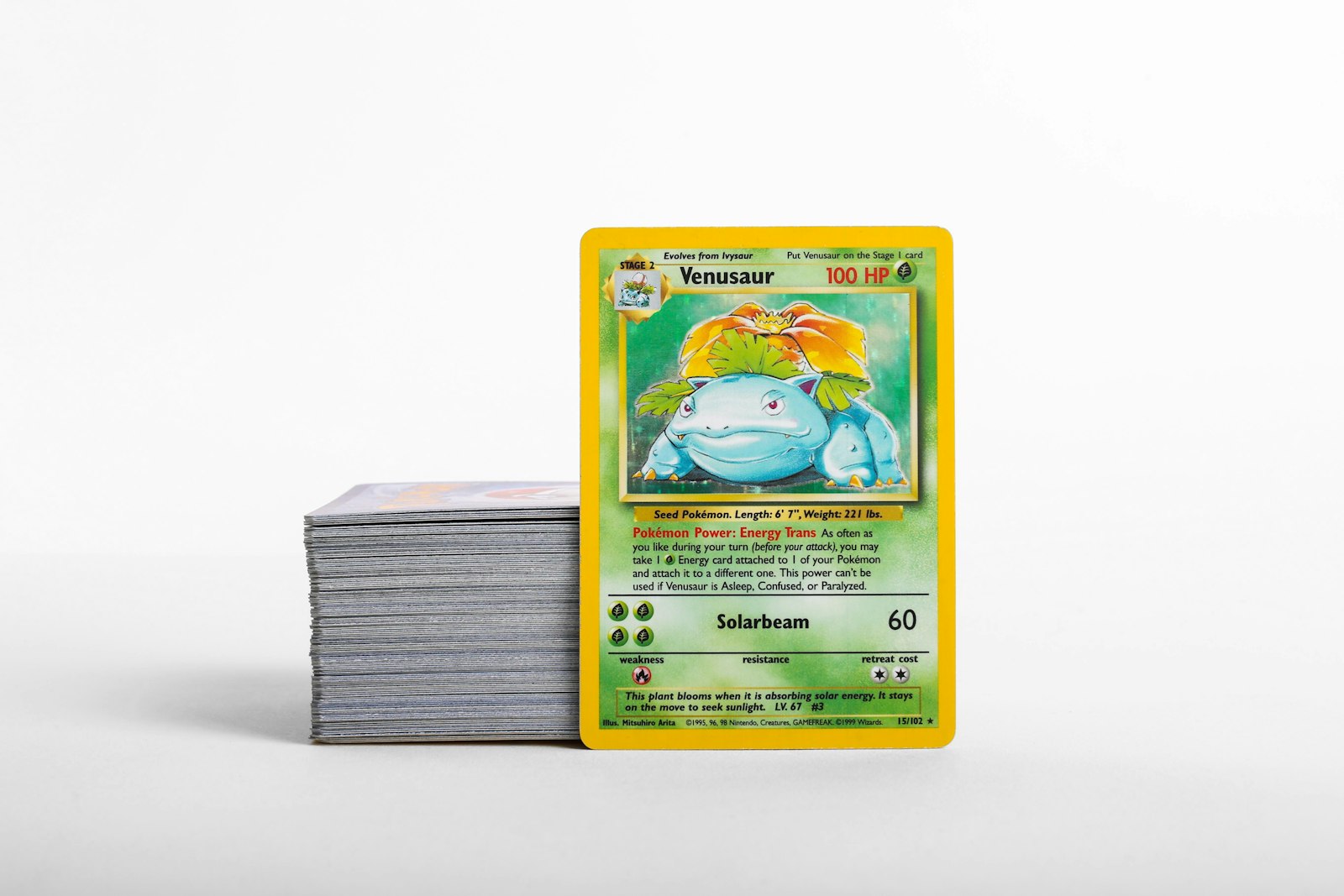
Binder storage remains one of the most practical and satisfying ways to view a growing Pokemon card collection. However, improper binder selection and poor storage habits quietly introduce physical wear that can ruin raw cards. Two of the most common hazards facing binder collections are mechanical ring dents caused by metal binder hardware and page sagging caused by gravitational pull on loose pocket pages.
Protecting raw hits, set binder pages, and vintage holos requires understanding how physical stress impacts paper card stock. By matching card condition with the right binder design, sleeve combination, and shelf posture, you can enjoy browsing your collection without risking unexpected corner or surface damage.
The Mechanical Mechanics of Binder Ring Dents
Ring denting occurs when the inner column of cards inside a binder makes direct contact with metal binder rings during closing or flipping. Standard round O-ring binders are the primary culprit. Because round rings center their curve inward toward the spine, pages naturally rest directly over the bottom metal ring.
When a binder is closed quickly or packed tightly with multi-card pocket pages, the spine-side edge of cards on pages 1 through 3—or the final few pages in the back—gets pinched against the metal mechanism. This creates a distinct vertical line indentation, a sharp semi-circle crease, or a crushed corner edge.
Key factors that escalate ring dent risk include:
- Overloaded pages: Stuffed pockets force pages to bow outward, increasing friction against spine hardware.
- Round O-ring designs: The curved geometry naturally guides page margins directly underneath the opening clasp.
- Unanchored page movement: Loose-leaf pages that shift freely during transport easily catch on metal teeth.
Ringless Binders vs. Heavy-Duty D-Rings: Choosing Safe Storage
To prevent ring denting, collectors generally choose between built-in ringless binders and reinforced D-ring album setups. Each format serves distinct storage needs based on card value and set organization style.
Zippered Ringless Binders
Modern archival binders feature pages sewn directly into a padded fabric spine. Because there is zero internal metal hardware, ring denting is completely eliminated. Features to prioritize include:
- Side-loading pockets to stop dust penetration from top openings.
- Acid-free, PVC-free polypropylene black backing sheets.
- Reinforced exterior zipper closures to keep atmospheric dust out and prevent page flare.
Slanted D-Ring Binders
If you prefer loose-leaf storage for expanding sets, use heavy-duty slanted D-ring binders rather than standard office supply binders. The straight vertical edge of a D-ring allows pages to stack flat along the spine, holding cards away from the clasp curve.
When using D-ring binders, always install rigid plastic page stoppers on both the top and bottom of the ring assembly. These stoppers force pages up and over the metal rings whenever the binder cover is closed.
Stopping Page Sagging: Shelf Posture and Gravitational Strain
Page sagging occurs when binder pages hang vertically without lower support, causing soft plastic pockets to stretch downward. Over time, this gravitational drag causes cards inside top pockets to tilt, exposing upper edges to friction and bending card corners out of shape.
When binders sit upright on a shelf with excess space between books, heavy nine-pocket pages slump forward. The top edge of the card stock absorbs all the downward tension, leading to loose pocket fit and warped paper.
To correct page sagging across your shelf setup:
- Store binders with balanced lateral support: Keep binders snug against solid bookends or adjacent binders so pages remain upright and flat.
- Avoid over-stretching pockets: Inserting multiple cards into a single pocket permanently loosens the plastic, accelerating page sag.
- Use horizontal lay-flat storage for oversized albums: Extremely thick 12-pocket binders often benefit from being stored flat in climate-controlled stacks, provided they are limited to two or three binders high to avoid crushing bottom covers.
Sleeving and Pocket Inspection Before Storing Raw Cards
Proper card protection begins before a card touches a binder page. Sliding a bare card directly into a vinyl or polypropylene pocket risks micro-scratching holo foils and snagging bottom corners.
Before placing raw cards into binder pages, apply standard penny sleeves or archaically safe inner sleeves. Standard penny sleeves provide a smooth outer buffer that glides into pocket openings without catching corners. Double-sleeving high-value cards adds an additional defense layer against ambient humidity and air circulation.
Before inserting fresh pulls or recent purchases into your binder system, scan them with a dedicated Pokemon card scanner to record raw condition details, capture set numbers, and establish an initial baseline record. Documenting edge wear and surface quality early ensures you route each card to the safest storage format from day one.
Rebalancing Binders and Managing Pocket Tension
A common mistake among set collectors is allowing binders to become lopsided. Filling only the front half of an album while leaving the back empty creates uneven pressure, causing front pages to slope down while back pages remain raised.
Maintain balanced pocket tension across your binders by following a simple inspection routine:
- Distribute page weight evenly: Spread cards across full page layouts rather than crowding specific set sections.
- Retire stretched pages: If a pocket becomes loose enough that a sleeved card shifts during casual browsing, replace the page immediately.
- Audit collection volume regularly: Track set completeness using a structured Pokemon collection app. When a set reaches critical mass, split large expansion sets into dedicated volume binders rather than overstuffing a single spine.
Modern Collection Audits: Syncing Physical Safety with Digital Tracking
Managing physical storage quality goes hand in hand with clear inventory visibility. A binder that looks neat on the outside can still harbor crowded pockets or misaligned pages if ignored for long periods.
By conducting regular collection audits, you can identify high-value chase cards that have outgrown binder storage and deserve hard protective holders like top loaders or display cases. Cross-referencing your physical pages with a reliable Pokemon card price checker helps you evaluate market context so you can upgrade storage gear whenever valuable singles shift into higher protection tiers.
Checking binder safety alongside your digital records prevents storage bottlenecks and keeps your physical collection presentable, organized, and physically safe for years of browsing. For more tips on organizing and maintaining raw card inventory, explore our latest collector guides blog.
Keep Your Collection Safe and Streamlined with PokeSnap
Protecting your cards from physical wear requires clear visibility into what you own and where it lives. With PokeSnap, you can scan raw singles instantly, capture accurate set details, check market comps, and manage your entire collection from your mobile device. Download PokeSnap today to keep your Pokemon card inventory organized, valued, and properly protected.