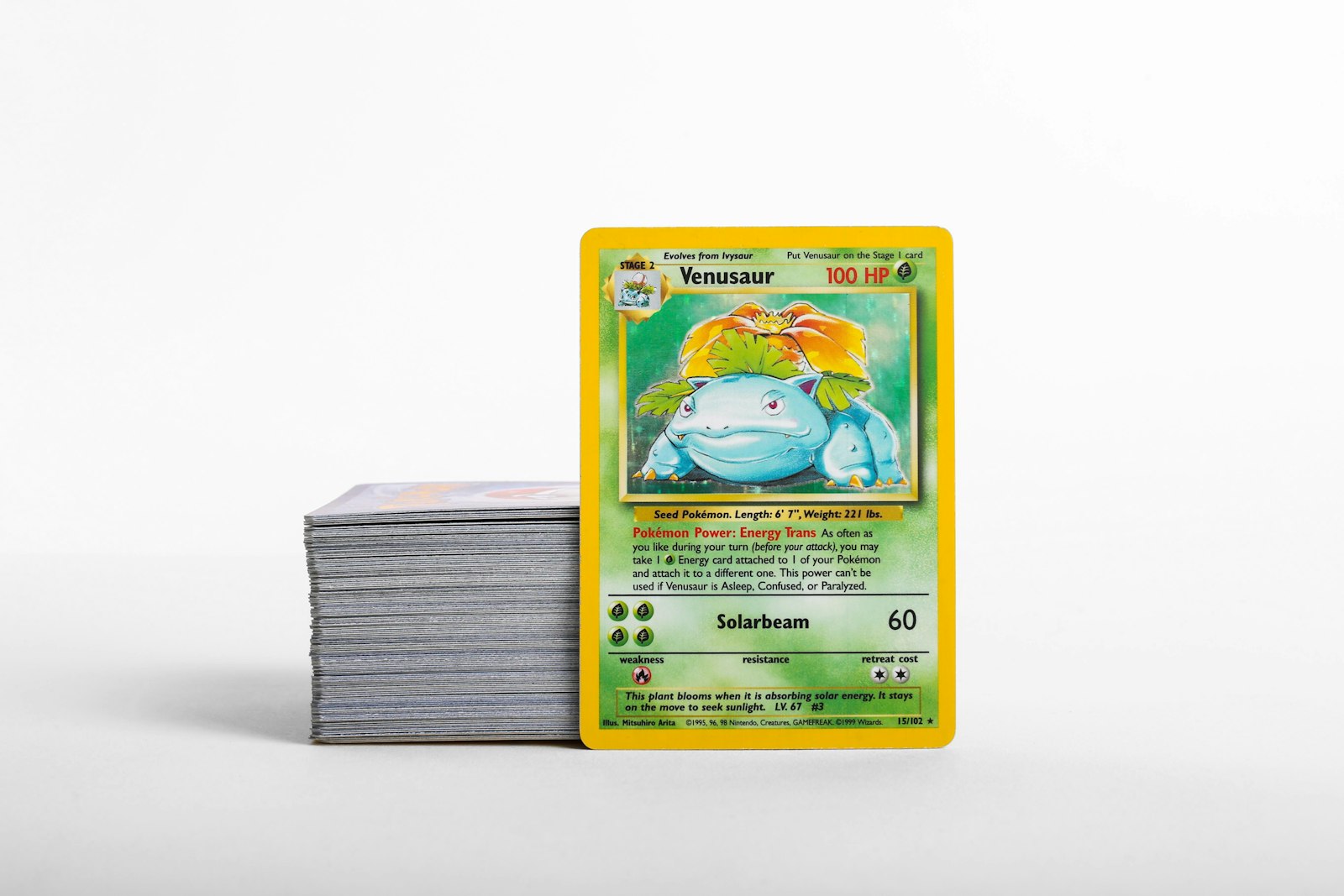
Every collector knows the feeling of pulling a fresh hit or acquiring a clean raw card for a favorite binder set. However, raw cards do not stay in the same state forever unless you protect them deliberately. Minor physical issues like light edge whitening, micro-scratching on holofoil, or slight humidity curvature can easily turn into severe creases, dented corners, and permanent surface clouding if you put them into the wrong sleeve or storage box.
Preventing condition decay is not about spending hundreds of dollars on top-tier acrylic cases for every single card in your box. It is about matching each card's specific wear profile to the right level of physical protection. By establishing a routine inspection process and adjusting your storage as raw cards age or change hands, you protect both the visual quality and long-term interest of your collection.
Why Raw Card Flaws Escalate over Time
Card stock made from paperboard and metallic foil is inherently susceptible to friction, pressure, and environmental changes. When raw cards sit loose inside cardboard boxes or oversized binder pockets, physical movement creates micro-abrasions along the cut edges. What starts as barely visible corner wear turns into heavy white flaking after a few handlings or rides to local trade nights.
Surface flaws are equally vulnerable. Fine dust particles trapped inside a rigid holder or loose sleeve act like sandpaper when the card shifts. Additionally, holofoil layers react to changes in ambient humidity. As moisture enters or leaves the card fibers, the foil layer expands at a different rate than the paper backing, creating the classic foil curl that puts structural tension across the entire card.
Step 1: Triage Raw Edges and Corners Under Clean Lighting
Before deciding whether a card belongs in a side-loading binder page, a standard toploader, or a heavy-duty hard case, you need to conduct a quick visual audit under direct, clean lighting.
- Check the corner tips first: Look closely at all four corners from the back face. Darker back borders reveal early whitening instantly. If you spot soft or slightly blunted paper fibers, the card requires immediate edge stabilization.
- Examine the side cuts: Inspect the long edges for micro-burrs or factory pressure marks. Edges with raised fibers catch easily on loose sleeve openings if inserted carelessly.
- Isolate corner pressure: If a corner shows mild soft bending without a creased paper line, avoid forcing it into a tight sleeve that might fold the fiber completely over.
When you organize raw cards into clear physical tiers, running them through a reliable Pokemon card scanner helps you log the exact print version and set details right at your desk before moving them into permanent storage sleeves.
Step 2: Choose the Right Inner Sleeve to Stop Friction
Sliding a raw card directly into a stiff toploader without a flexible sleeve causes plastic-to-surface scratching. The sleeve acts as a primary sacrifice layer, absorbing surface contact so the card face does not.
Soft Penny Sleeves
Standard clear polypropylene penny sleeves remain the most reliable choice for raw card storage. They leave ample room around the perimeter, preventing side-friction during insertion. Use standard penny sleeves for bulk hits, binder cards, and cards waiting for sorting boxes.
Perfect Fit Inner Sleeves
Perfect fit sleeves hug the card boundaries tightly. While excellent for double-sleeving high-end cards inside side-loading binder pages, they demand absolute care during application. If a card already has severe corner lifting or soft edge whitening, forcing a snug inner sleeve over the bottom corners can strip the print layer away. Reserve tight inner sleeves exclusively for sharp, pack-fresh cards with structurally intact corners.
Step 3: Match Protection to the Storage Housing
Once a card is safely sleeved, the next step is picking the outer housing that prevents bending, crushing, or surface compression.
| Wear / Card Type | Recommended Sleeving | Optimal Outer Housing | Storage Strategy | | :--- | :--- | :--- | :--- | | Pack-fresh hits / Near Mint | Penny sleeve + top-loader | Acid-free archival storage box | Keep upright in a dry, dark room | | Mild edge wear / Light played | Soft penny sleeve | Ringless binder with side-loading pockets | Store flat or vertically in shelf units | | Foils with slight curl | Penny sleeve | Semi-rigid card holder | Flat storage under light, even weight | | Heavy played / Structural flaws | Standard sleeve | Rigid binder page or card divider box | Isolate from high-pressure stacks |
Using ringless binders with acid-free side-loading pages prevents binder ring pinch—a common hazard where middle pages slide under metal rings when the binder closes.
Step 4: Manage Humidity and Environmental Stress
Even the best sleeve and binder combination cannot stop physical warping if room conditions swing wildly. High humidity causes paper fiber swelling, leading to standard upward bowing, while extremely dry environments cause card stock to contract and pull against the foil face.
- Control room humidity: Aim for a relative humidity level between 40% and 50% in your storage room.
- Keep boxes off carpeted floors: Moisture can migrate up from flooring into bottom cardboard boxes over time. Store boxes on elevated shelving.
- Avoid direct sunlight: UV rays degrade ink pigments faster than almost any other home hazard. Always store transparent storage bins, binders, and top-loader boxes away from natural window exposure.
When reviewing market context for cards you intend to keep long-term, referencing a clear Pokemon card price checker gives you a clear sense of which binder singles warrant upgraded storage gear or dedicated display protection.
Step 5: Build a Quarterly Protection Refresh Routine
Storage protection is not a one-time setup. Binders shift, sleeves gather dust, and collection volume grows over time. Establishing a simple quarterly audit keeps your physical setup clean and manageable:
- Inspect sleeve clarity: Matte and clear sleeves naturally absorb oils from human touch. Replace foggy or scratched sleeves before surface debris transfers onto the card face.
- Rebalance oversized binders: When binder pages bulge near the spine, remove lower-priority duplicates or shift excess inventory into structured bulk storage boxes.
- Audit high-value binder slots: Check your top chase cards to ensure no page pockets are sagging or putting diagonal tension across the top edges.
Keeping your physical organization matched with an updated digital inventory through a dedicated Pokemon collection app helps you quickly verify which storage box or binder contains specific set gaps without having to flip through dozens of physical pages continuously.
Protect Your Cards with Confidence
Safeguarding your raw cards does not require complicated routines or excessive equipment. By understanding how minor edge and surface wear escalates, picking the right sleeve material, and keeping environmental factors controlled, you keep every card in your collection safe for years to come. Inspect your raw cards early, upgrade protection when wear demands it, and enjoy a cleaner, safer collection setup every time you open your binders.