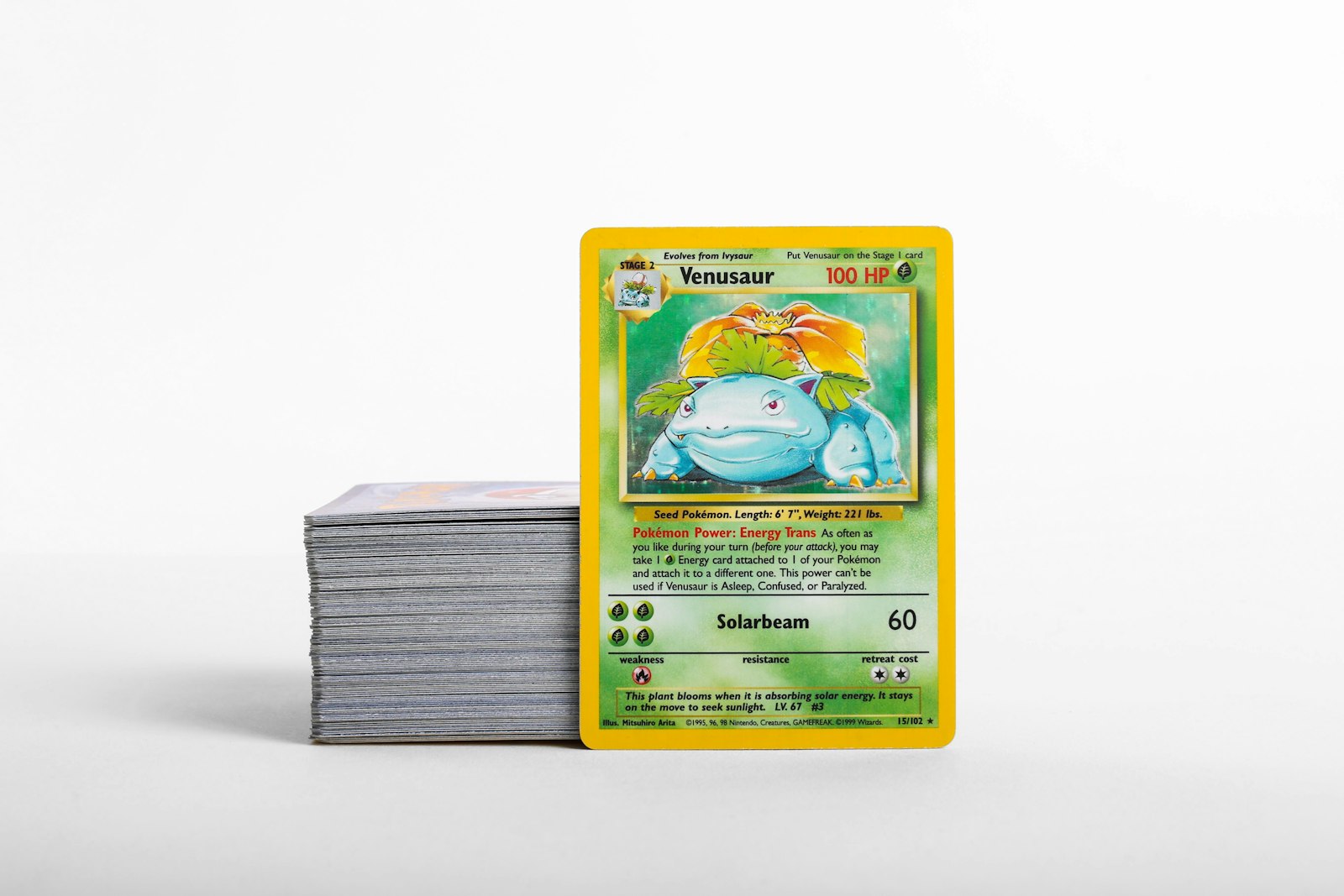
Even inside binders and storage boxes, raw Pokemon cards can suffer slow physical wear over time. Two of the most common issues collectors encounter during routine collection audits are corner softening and surface haze. Unlike obvious creases or severe edge whitening, these micro-flaws develop quietly while cards sit in storage.
Catching physical wear early—and adjusting your storage gear before small flaws escalate—is essential for maintaining raw condition. By understanding how handling habits, sleeve materials, and storage pressure cause surface haze and corner damage, you can build a protection routine that preserves your cards for years.
The Hidden Risks of Micro-Wear in Card Storage
When a Pokemon card is stored, it is easy to assume it is completely safe from harm. However, subtle environmental factors and physical friction act on raw cards inside binder pages and storage boxes every day.
Micro-wear refers to minute structural or cosmetic flaws that accumulate over months or years. The two primary expressions of this issue are:
- Corner Softening: The extreme tips of the cardboard layers lose their crisp point, expanding slightly into a blunt, fibrous shape due to repeated insertion pressure or loose box shifting.
- Surface Haze: A cloudy or foggy film on the glossy protective coating or holofoil surface, caused by sleeve friction, trapped dust, or improper plastic materials.
Left unchecked, these flaws reduce a card's visual appeal and downgrade its condition tier from Near Mint to Lightly Played. Preventing them requires targeted storage decisions based on card structure and materials.
What Causes Corner Softening and How to Stop It
Cardboard corners are the most structurally delicate part of a Pokemon card. They consist of compressed paper fibers glued between printed surface layers. Corner softening occurs when those layers absorb impact or experience repeated drag.
Primary Triggers for Corner Damage
- Tight Sleeving Angles: Pushing a card into a tight sleeve at an angle forces one corner to take the initial pressure, peeling or bending the tip.
- Oversized Box Shifting: Raw singles stored loosely in standard storage boxes slide back and forth when moved, hitting box walls.
- Pinching in Binder Slots: Top-loading or side-loading binder pages with tight pocket seams can catch card corners if inserted hastily.
How to Eliminate Corner Stress
To stop corner wear, modify your handling technique. Always insert cards centered into sleeves, pinching the sides of the sleeve open slightly with your fingers to create clearance for the bottom corners. When putting cards into side-loading binder pages, guide the bottom corners into the pocket first with light, even pressure on the card edges rather than pushing down on the top edge.
Understanding Surface Haze, Clouding, and Sleeve Friction
Surface haze creates a dull, milky appearance across the finish of modern full arts, Japanese textured cards, and vintage holofoils. Unlike grease or fingerprints, haze is often the result of micro-scratches or chemical interactions between the card surface and protective plastic.
Surface Wear Drivers:
[Trapped Dust Particles] + [Sleeve Friction] ──> Micro-Scratch Grid (Haze)
[Low-Grade PVC Sleeves]  + [Time & Ambient Heat] ──> Plasticizer Transfer (Clouding)
The Role of Plastic Materials
Sleeves made from low-cost polyvinyl chloride (PVC) contain plasticizers to keep the film pliable. Over time, these chemicals degrade and transfer to the glossy surface of Pokemon cards, leaving a cloudy film that can permanently damage the topcoat. Always select acid-free, non-PVC polypropylene or polyethylene sleeves.
Dust and Friction Wear
If airborne dust or fine debris enters an open sleeve, every time the card is handled or the binder page flexes, those tiny grit particles rub against the card face. This abrasive action creates thousands of microscopic hairline scratches, which the eye perceives as surface haze. Double-sleeving high-value singles creates an airtight seal that prevents dust ingress entirely.
Choosing the Right Protection Tier for Each Card Condition
Not every card requires the same level of archival protection. Allocating your storage gear according to card condition and rarity prevents overspending while ensuring vulnerable singles receive adequate defense.
| Rarity / Value Tier | Storage Recommendation | Primary Hazard Mitigated | | :--- | :--- | :--- | | High-Foil & Chase Singles | Perfect-fit inner sleeve (top-down) + Top loader or semi-rigid (bottom-up) | Dust haze, corner impact, bending | | Near Mint Binder Copies | Perfect-fit inner sleeve + Archival side-loading binder page | Page sagging, ring denting, corner drag | | Lightly Played / Trade Extras | Standard polypropylene penny sleeve + Top loader | Surface scuffs, storage box friction | | Common / Uncommon Bulk | Acid-free bulk box with tight row dividers | Shifting, edge curling |
Using this tiered approach keeps your top hits isolated from physical contact while keeping your bulk sorted safely in dedicated boxes.
Safe Handling and Scanning Routines to Prevent Friction
Cataloging your cards is essential for collection tracking, but repeated handling during processing increases the risk of accidental drops or edge friction. Establishing a clean workspace protocol minimizes wear when auditing your binder.
- Clean Your Workspace: Dust flat surfaces thoroughly before placing raw cards down. Work over an oversized, clean micro-fiber playmat.
- Handle by the Edges: Hold cards lightly between your thumb and index finger along the side borders. Avoid applying pressure directly over the foil face.
- Use Digital Scans: Minimize unnecessary physical removal from sleeves by digitizing your collection. Using a reliable Pokemon card scanner lets you capture card details without repeatedly taking singles out of protective holders.
- Batch Processing: Group raw cards by set or type before sleeving so you can slide them into their permanent storage slots in one streamlined session.
Binder and Box Maintenance: Environmental Controls
Even high-quality archival supplies cannot protect cards if environmental conditions are poor. Humidity, temperature swings, and mechanical pressure inside storage containers play major roles in long-term preservation.
Humidity and Foil Curling
Pokemon holofoil cards absorb humidity at different rates than the cardboard backing. In damp environments, the cardboard expands while the foil layer stays static, causing the card to curl inward. In overly dry conditions, reverse curling occurs. Maintain ambient humidity levels between 40% and 55% in your storage room.
Preventing Storage Compression
Storing binders flat on top of each other creates heavy vertical pressure. Over time, binder rings press through nearby pages, causing permanent ring dents on adjacent cards. Always store card binders vertically on shelves like books, and avoid packing storage boxes so tightly that cards cannot flex naturally.
Keep Your Collection Documented and Safe with PokeSnap
Managing card protection is much simpler when you have full visibility over your binder contents. Pairing physical storage routines with digital organization ensures you know exactly which cards are protected in top loaders, which reside in set binders, and which need protective sleeve refreshes.
With PokeSnap, you can scan cards directly through protective sleeves to update your digital inventory instantly. Use the integrated Pokemon collection app to track set progress, document raw card conditions, and monitor market movements with the built-in Pokemon card price checker. Download PokeSnap today to keep your collection organized, accurate, and completely protected.