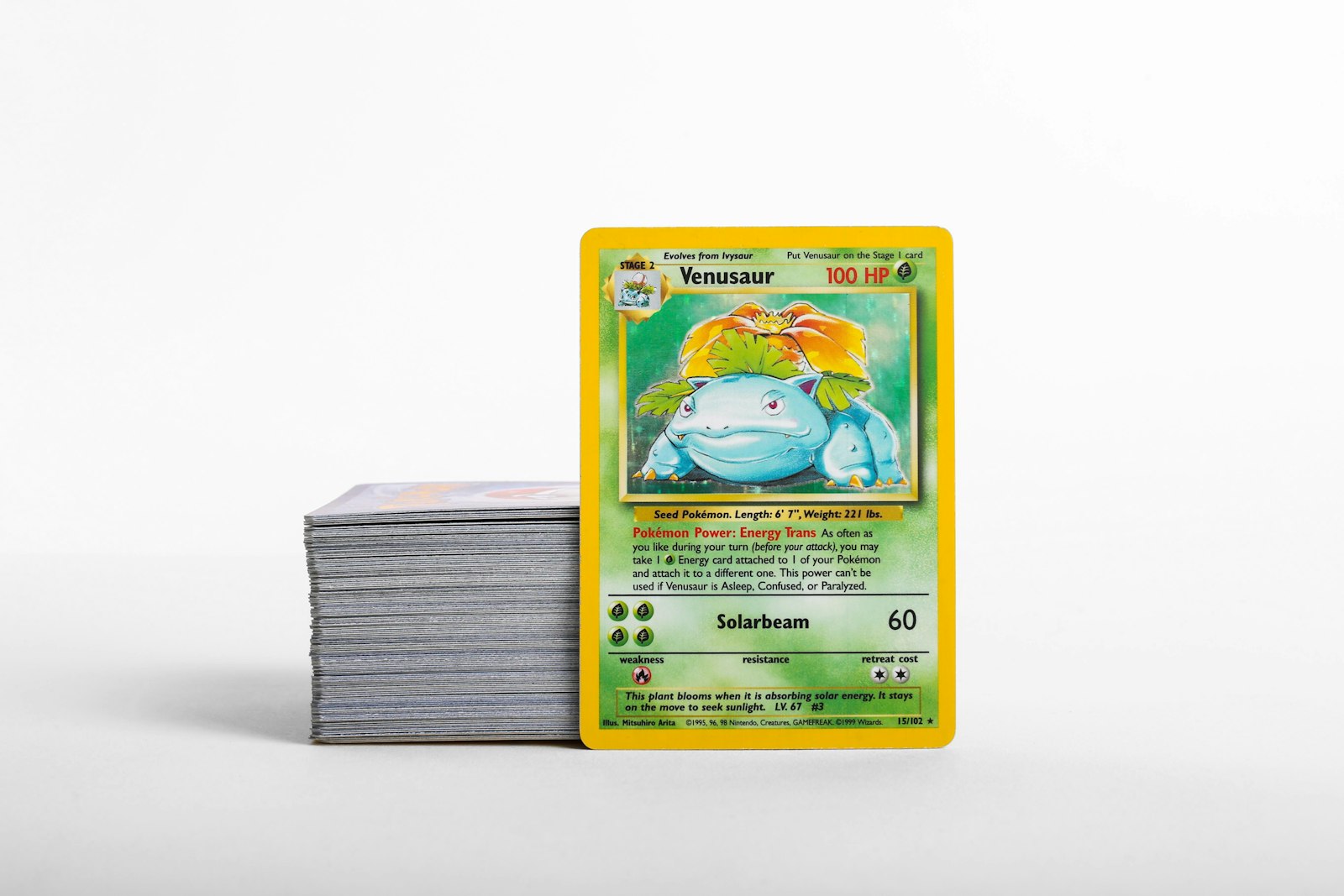
Storing Pokemon cards is not just about keeping your room tidy; it is about matching the physical condition of each card to the right level of protection. If you treat a common bulk card the same way you treat an ultra-rare illustration rare, you will either waste money on premium gear or watch your best cards slowly degrade. To prevent wear, warping, and surface scratches, you need a systematic approach to sorting, protecting, and storing your collection.
This guide outlines a practical framework for routing your cards into binders, toploaders, and storage boxes based on their condition, value, and accessibility.
The Three-Tier Protection Framework
Every card you pull or trade for should immediately be assigned to one of three storage tiers. This keeps your protection budget focused where it matters most:
- Tier 1: Premium Protection (Toploaders & Semi-Rigids): Reserved for high-value hits, pristine vintage cards, and potential grading candidates. These cards need structural support to prevent any bending or surface contact.
- Tier 2: Binder Protection (Sleeved Binder Pages): Best for complete sets, mid-range holographic cards, reverse holos, and favorite artwork. Binders allow you to enjoy your collection visually while keeping the cards safe from dust and light handling.
- Tier 3: Bulk Storage (Archival-Safe Boxes): For common and uncommon cards, basic energy cards, and low-value duplicates. These do not require individual rigid protection but still need to be stored securely to prevent edge wear.
Assessing Card Condition Before Storing
Before you slide a card into any sleeve, you must inspect its raw condition. Handling a card repeatedly can cause minor edge wear or surface scratches, so it is best to do this inspection on a clean, soft surface (like a playmat) under good lighting.
First, check the surface. Look for print lines, scratches, or fingerprints. Holographic surfaces are especially prone to micro-abrasions from dust particles.
Next, inspect the edges. Check the front and back borders for tiny nicks or silvering (on older cards) and whitening (on newer cards).
Finally, look at the corners. Inspect the four corners for fraying, rounding, or small dents.
Using a Pokemon card scanner during this step allows you to identify the card instantly without flipping it back and forth, reducing the risk of accidental drops during identification.
Selecting the Right Sleeve
The sleeve is your card’s first line of defense. Never put a raw card directly into a plastic binder page or a toploader without a sleeve, as the rough plastic edges can scratch the card's surface.
- Penny Sleeves: Loose-fitting, thin, and inexpensive. They are perfect for bulk cards you want to keep clean, or as the inner layer before inserting a card into a rigid toploader.
- Perfect Fit Sleeves: Designed to fit the card exactly. These are ideal for double-sleeving or keeping cards snug inside binder pages. However, be extremely gentle when inserting cards, as tight fits can catch on corners if you force them.
- Matte or Deck Sleeves: Thicker with textured backs. These are excellent for playability and general binder storage, though the matte front can slightly obscure the card's holographic shine.
Choosing Binders That Prevent Damage
Binders are the most satisfying way to display a collection, but the wrong binder can ruin your cards over time. Avoid cheap school binders with loose pages. As pages turn in a three-ring binder, the cards closest to the metal rings can get pressed against them, causing permanent crescent-shaped dents known as "ring damage."
Instead, opt for strap or zipper binders with built-in pages. Look for binders with side-loading pockets and a fabric backing behind each pocket. Side-loading prevents cards from sliding out of the top when the binder is carried, and the fabric backing provides a soft cushion that stops cards on opposite sides of a page from rubbing against each other.
When to Upgrade to Toploaders and Hard Cases
When a card has significant value or is in flawless condition, binder pages may not offer enough structural support.
Toploaders are rigid plastic holders that protect cards from bending and heavy impacts. Always put the card in a penny sleeve before sliding it into a toploader. To make removal easy and prevent edge friction, you can attach a small sticky tab to the sleeve before inserting it.
Semi-Rigid Holders are often preferred for grading submissions. They hold the card firmly in place, preventing any internal movement, but can be slightly harder to insert cards into without practice.
Magnetic One-Touch Cases offer the ultimate display option. These thick, hard plastic cases look incredible on a shelf. Just ensure you use a case size that matches the card’s thickness, and consider using a perfect-fit sleeve to prevent the card from shifting inside the hard plastic frame.
Keeping Your Physical Storage in Sync with a Digital Tracker
As your collection grows, keeping track of which cards are in binders, which are in toploaders, and which are packed away in bulk boxes becomes a major challenge.
First, map your storage. Label your storage boxes and binders clearly (e.g., "Scarlet & Violet Bulk Box 1" or "Vintage Binder").
Second, log every entry. When you scan new additions using a Pokemon collection app, note their physical storage location immediately. This prevents you from digging through dozens of boxes just to find a single card for a trade.
Third, monitor values. Use a Pokemon card price checker periodically. A card you stored in a bulk box months ago might experience a sudden spike in popularity or competitive playability, signaling that it is time to retrieve it and upgrade it to a binder or toploader.
A Simple Routine for New Additions
To make protection second nature, establish a simple intake routine every time you open packs or return from a trade show:
- Scan: Use an app to identify the card and log it into your inventory.
- Evaluate: Check the surface and edges for wear to determine its condition tier.
- Sleeve: Immediately put the card in a penny sleeve or perfect fit.
- Route: Place the card in its designated physical storage (binder, toploader, or bulk box) and update its location in your digital tracker.
By matching each card's condition to the right level of storage, you preserve both the visual appeal and the long-term value of your collection.
To make this process seamless, download PokeSnap today. PokeSnap lets you scan your cards instantly, check their market values, and organize your entire collection in one clean, digital inventory—helping you make smart storage decisions every time you add to your collection.