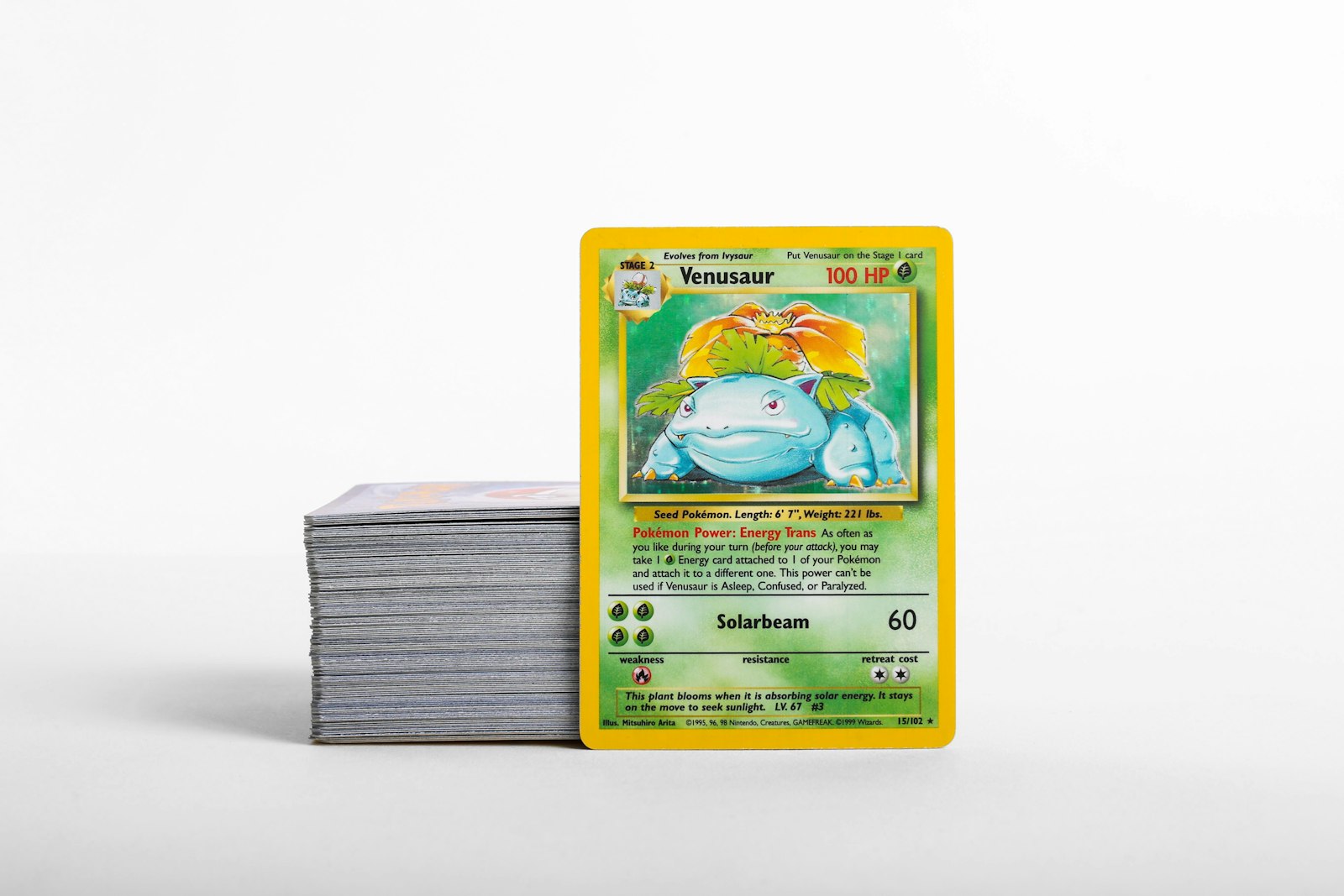
Storing raw Pokemon cards isn't as simple as putting every single pull into a hard plastic case. If you treat every common card like a museum piece, you will quickly run out of physical space and overspend on plastic. Conversely, if you throw raw, highly valuable cards into a loose cardboard box, they will suffer from edge wear, surface scratches, and warping.
To preserve your collection's value and physical integrity, you must align the condition and vulnerability of each card with the right protective gear. By matching raw card wear to the appropriate sleeves, binders, and hard cases, you can build an organized system that keeps your cards safe without wasting money on unnecessary plastics.
Why Card Condition Must Dictate Your Storage Choices
Paper cards are fragile. They are highly sensitive to humidity, temperature shifts, dust, and physical friction. When you handle a raw card, the natural oils from your skin can transfer to the surface. Over time, these oils can dull the foil or leave permanent fingerprints.
Furthermore, modern foil cards (such as ultra rares, secret rares, and illustration rares) are constructed with layers of plastic and paper that expand and contract at different rates when exposed to moisture. This physical reaction causes the card to warp or "curl."
Matching the card's physical condition to its storage format prevents these issues from worsening. A pristine, raw card needs high-barrier protection to stay that way. A slightly worn card needs protection that prevents further surface wear during handling, while bulk cards require space-efficient storage that keeps them clean and organized.
How to Evaluate Raw Wear Before Selecting Gear
Before you choose a sleeve, binder, or case, you must understand what kind of wear you are trying to protect against. Take a moment to inspect your raw cards under a bright, direct light source. Look closely at the following four areas:
- Edges: Check for tiny flecks of white paper showing through the blue border on the back of the card. This is known as edge whitening.
- Corners: Inspect the rounded corners for splitting, fraying, or direct impact damage.
- Surface: Look at the card at an angle to spot light scratches, print lines, finger grease, or dull spots on the foil.
- Foil Warp: Note if the card has begun to bend into a concave or convex shape.
Once you have assessed the raw wear, you can categorize your cards into protection tiers. This keeps your physical inventory organized and ensures your most vulnerable cards receive the highest level of care.
Tier 1: Pristine and High-Value Cards (The Maximum Protection Setup)
If your raw card is in Near Mint (NM) or pristine condition and carries significant collector value, it requires a multi-layered barrier. The goal here is to completely isolate the card from air, dust, and physical movement.
For these cards, use a double-sleeving method paired with a hard case:
- Inner Sleeve (Perfect Fit): Slide the card into a tight-fitting, acid-free inner sleeve from the top down.
- Outer Sleeve (Standard Penny Sleeve): Slide the inner-sleeved card into a standard penny sleeve from the bottom up. This creates an airtight seal around all four edges of the card.
- Rigid Holder (Toploader or Magnetic Case): Place the double-sleeved card into a rigid plastic toploader. Alternatively, if you want to display the card on a shelf or in a dedicated box, place it in a magnetic one-touch case. If you use a magnetic case, ensure the card is single-sleeved in a perfect-fit sleeve first, as raw edges can rub against the hard inner walls of the plastic case if there is too much wiggle room.
Tier 2: Mid-Value and Binder-Ready Cards (The Balanced Setup)
Mid-value cards—such as holo rares, reverse holos, and lower-tier ultra rares—do not necessarily need to be housed in individual hard cases. Storing hundreds of cards in toploaders takes up massive amounts of space and makes browsing your collection difficult.
Instead, these cards are perfect candidates for a high-quality binder system. The ideal setup for this tier includes:
- Single Sleeving: Always place the card in a standard penny sleeve or a high-quality matte deck sleeve before putting it in a binder page. Never slide a completely raw card directly into a plastic binder pocket; the friction of sliding the card in and out will cause edge wear and scratches.
- Side-Loading Binders: Avoid traditional three-ring binders with metal clips, as the rings can easily dent the cards closest to the spine when the binder is closed. Instead, use a bound, side-loading binder with built-in, padded black backing pages. Side-loading pockets prevent cards from sliding out of the top of the binder if it is turned upside down.
This setup allows you to safely flip through your favorite cards, enjoy the artwork, and show them to other collectors without risking surface or corner damage.
Tier 3: Low-Value, Playable, and Bulk Cards (The Space-Saving Setup)
Common cards, uncommon trainers, and non-foil bulk do not require individual sleeves or binder slots. However, they still need protection from dust, moisture, and bending. Leaving bulk in loose, messy piles is a quick way to turn collectible cards into unsorted, damaged paper.
For bulk and low-value cards, use the following storage rules:
- Storage Boxes: Use sturdy, acid-free cardboard storage boxes (such as two-row or four-row boxes designed specifically for trading cards). Avoid plastic food container boxes, which can trap moisture and cause cards to warp.
- Brick Packing: Pack the cards snugly enough so they stand upright and do not sag or warp, but loosely enough that you can easily slide your fingers in to flip through them. Tight packing can crush edges and corners.
- Dividers: Use plastic or cardstock dividers to separate sets, types, or rarities. This prevents you from having to handle hundreds of raw cards just to find a specific common.
Integrating Digital Tracking with Your Physical Storage
To manage these different storage tiers effectively, you should keep a digital record of your collection. Knowing exactly which box, binder, or case houses a specific card saves you from constantly opening and handling your physical collection, which in turn reduces the risk of accidental drops or scratches.
When you use a Pokemon collection app, you can quickly log the physical location and condition of your cards as you sort them. Using a reliable Pokemon card scanner allows you to identify your cards instantly, check their baseline market trends, and assign them to custom lists or folders based on their physical storage location (e.g., "Binder 1," "Toploader Box A," or "Bulk Box 2024").
By keeping your physical storage in sync with a digital inventory, you can browse, share, and evaluate your collection on your phone without ever having to pull your physical cards out of their protective sleeves.
Summary Checklist: Matching Condition to Gear
| Card Type / Condition | Primary Protection | Secondary Storage | Purpose | | :--- | :--- | :--- | :--- | | High-Value / Pristine Raw | Double Sleeve (Perfect Fit + Penny) | Toploader or Magnetic Case | Complete isolation from dust, friction, and environmental warping | | Mid-Value / Binder Hits | Single Sleeve (Penny or Matte Deck) | Side-Loading Zipper Binder | Easy viewing and organization with protection against surface scratches | | Low-Value / Playable / Bulk | Unsleeved (or Penny Sleeved in small groups) | Acid-Free Cardboard Storage Box | Space-efficient, dust-free bulk storage with easy dividers |
Protect Your Collection with PokeSnap
Evaluating raw wear and choosing the right protection is only half the battle; keeping track of your inventory is where the real organization happens. With PokeSnap, you can scan your cards instantly, check their market values, and organize your collection into custom folders that match your physical storage setup.
Whether you are sorting a freshly opened booster pack, organizing a trade binder, or cataloging high-value cards in hard cases, PokeSnap makes it easy to keep your digital records perfect. Explore more collecting tips on our blog and download PokeSnap today to streamline your inventory process.