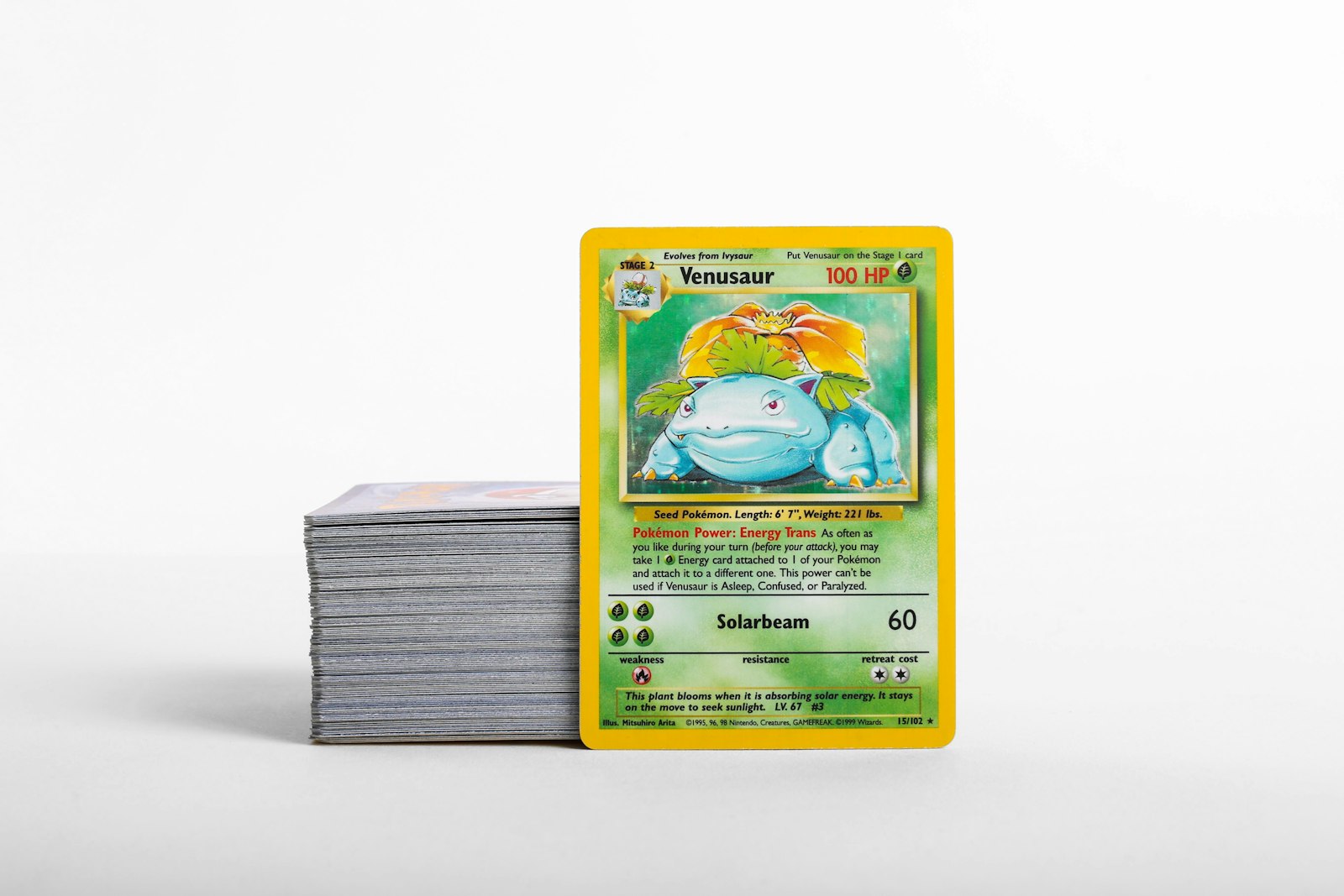
Every raw card added to your collection requires an immediate protection decision. Storing a pristine ultra rare in an ill-fitting sleeve or placing a card with minor edge wear into a tight binder pocket can quietly worsen condition over time. By inspecting raw cards for micro-wear, foil scratches, and corner softness before filing them away, collectors can pair each card with the exact level of physical protection it requires.
Matching card condition to the correct storage gear keeps your binder pages clean, prevents surface friction, and protects collection value. This practical guide walks you through triaging raw cards by wear type and setting up an efficient routing system for your supplies.
1. Triage Protocol: Inspecting Surface, Edges, and Corners
Before deciding whether a raw card belongs in a penny sleeve, binder, or toploader, inspect it under a focused light source. Position a warm desktop lamp overhead and tilt the card at a 45-degree angle to reveal flaws that remain invisible under ambient room lighting.
Examine the card across three primary inspection zones:
- Foil and Glare Surface: Check the front holo layer and back blue borders for faint surface scratches, print lines, fingerprints, or clouding.
- Edges and Borders: Look along the perimeter for whitening, micro-flaking of the cardboard layers, or small compression marks from previous handling.
- Corners: Check all four corners for tip rounding, fraying, or tiny pinches caused by aggressive sleeving.
Catching subtle wear at intake prevents you from over-handling cards later. When sorting fresh pack pulls or mail day arrivals, using a fast Pokemon card scanner helps you log the exact variant and set details instantly so you can focus entirely on physical condition.
2. Micro-Scratches and Holo Wear: Selecting the Right Sleeves
Not all card sleeves provide identical protection against surface wear. Ultra-thin sleeves and rigid inner sleeves apply different levels of pressure to a card's finish.
Penny Sleeves (Standard Archival Polypropylene)
Standard soft penny sleeves are ideal for raw cards with sensitive foil layers. Because they offer a loose, non-constricting fit, the card slides inside without rubbing against tight side walls. Use penny sleeves for raw cards heading into semi-rigid holders, toploaders, or storage boxes.
Perfect Fit Inner Sleeves
Perfect fit sleeves hug the card perimeter tightly. While they are excellent for double-sleeving high-value singles, improper insertion can catch on soft card corners or scuff raw foil edges. Only use perfect fits on cards with sharp, firm corners and smooth edges. Avoid forcing cards with corner wear or border flaking into tight inner sleeves.
3. Edge Whitening and Border Pinching: When to Upgrade to Toploaders
Card edges take the most direct wear during handling and binder page insertion. If a raw card shows noticeable border whitening, placing it directly into a binder pocket can cause friction every time the page turns.
Upgrade raw singles from standard sleeves to hard toploaders when you spot:
- Repeated micro-whitening along more than one border
- Softened or frayed corner tips
- Light creasing or indentation lines near the edges
To safely load cards into toploaders, always place the card into a soft penny sleeve first. Never insert an unsleeved card directly into a rigid plastic holder; the hard interior walls can scratch the surface foil. Drop the sleeved card gently into the top opening and let gravity settle it into place—never force or push down on the top edge.
4. Foil Bends and Humidity Curling: Safe Storage Formats
Holofoil cards naturally absorb ambient atmospheric moisture at different rates than the cardboard backing, leading to visible curling or warping. While a bent card may look alarming, foil curling is a structural balance issue rather than permanent physical damage.
To stabilize curved holos:
- Insert the card into a clean, archival penny sleeve.
- Place the sleeved card inside a rigid, high-grade toploader.
- Store the loaded toploader horizontally under a flat, light weight (such as a heavy book) in a low-humidity room for 48 to 72 hours.
Avoid using heavy mechanical clamps or tight screwdown cases on warped cards, as excess pressure can cause surface clouding or ring impressions. Once flattened, keep foil cards stored in side-loading binder pages or covered storage boxes with silica gel packets to maintain a stable environment.
5. Routing Decisions: Binders vs. Storage Boxes vs. Grading Queues
Once you have categorized a card's wear level, assign it to the correct physical storage format in your workspace. Establishing clear storage rules keeps your collection organized and prevents binder overcrowding.
| Wear Profile | Primary Defect | Recommended Protection Setup | Target Storage Format | | :--- | :--- | :--- | :--- | | Pristine / Pack Fresh | None; sharp corners and pristine foil | Soft penny sleeve + perfect fit double sleeve | Premium side-loading binder or slab submission queue | | Minor Micro-Wear | Faint surface hairline or minor corner speck | Soft penny sleeve | Binder set page or collection storage box | | Moderate Edge Wear | Visible border whitening or soft corners | Penny sleeve + rigid toploader | Toploader storage box | | Structural Flaws | Creases, foil bends, or dented edges | Penny sleeve + semi-rigid holder | Bulk storage box or trade stack |
When evaluating high-end hits or vintage cards, checking market context with a Pokemon card price checker allows you to weigh market value alongside physical condition before assigning premium storage gear.
6. Managing English and Japanese Foil Finishes
Japanese prints often feature distinct foil textures, silver borders, and varying paper stock thicknesses compared to English releases. Japanese holos are particularly sensitive to fingerprint oils and fine surface smudging.
When handling textured cards or learning how to scan Japanese Pokemon cards for your inventory, hold cards strictly by their outer edges. Keep soft cotton gloves or clean microfiber cloths near your sorting desk to clear light surface dust before placing Japanese singles into archival sleeves.
7. Keeping Physical Storage in Sync with Digital Collection Tools
Physical card storage works best when paired with an accurate digital catalog. Routing cards between binders, toploader storage boxes, and grading stacks can lead to misplaced cards if your records fall behind.
By organizing your binder cards and tracked singles in a dedicated Pokemon collection app, you can log storage locations, note minor condition flaws, and maintain clear records of your entire inventory from your phone.
Ready to streamline your intake routine? Download PokeSnap to scan your raw cards in seconds, track values across conditions, and keep your physical binders and digital collection perfectly organized.