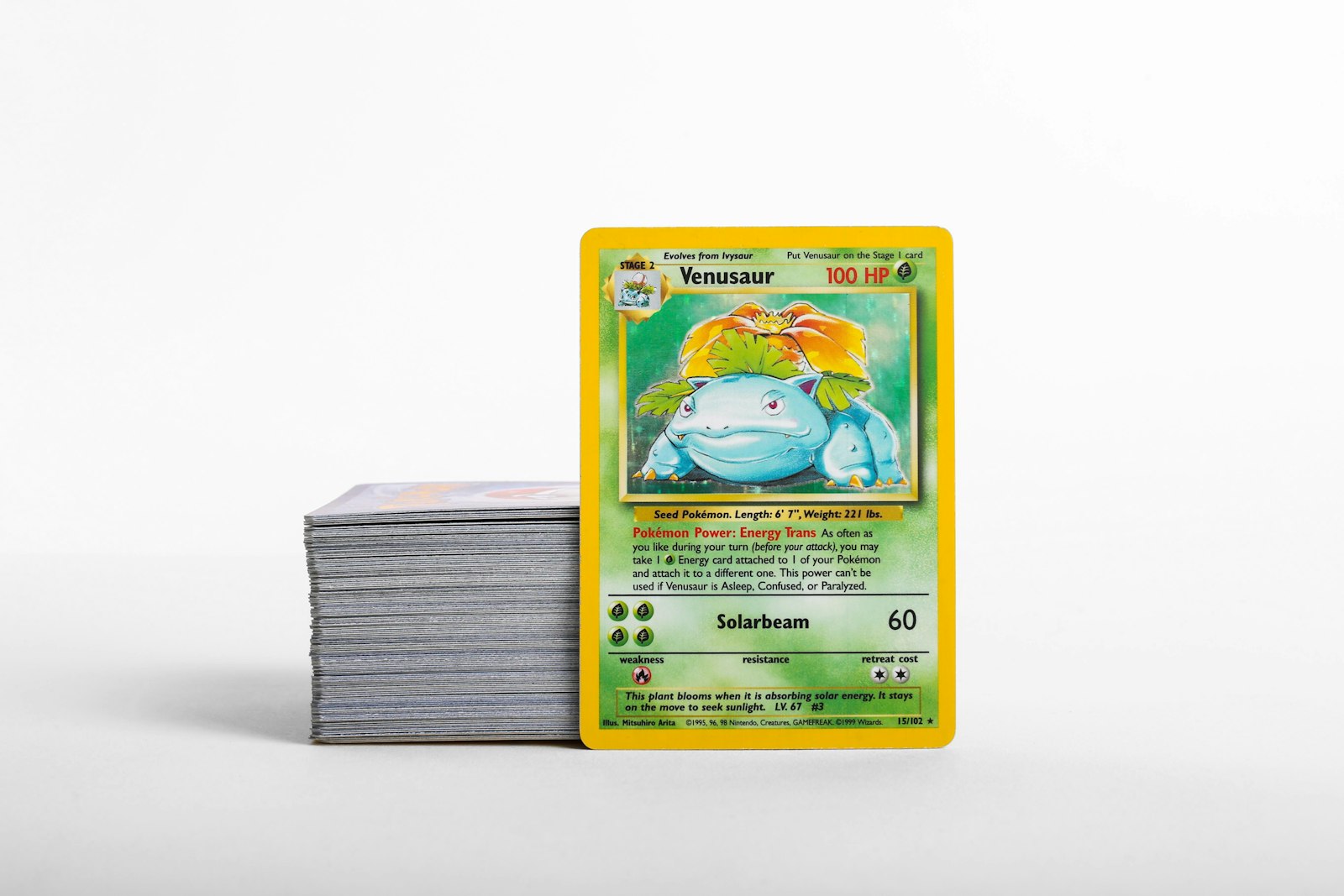
Every time you open a booster pack, trade at a local shop, or pull out a vintage box from the attic, you face an immediate decision: how should you store these cards? Not every card requires a heavy magnetic holder, but tossing a pristine secret rare into a loose cardboard box can ruin its value overnight.
To build an efficient, secure storage system, you must match the physical condition of your Pokemon cards with the appropriate level of protection. Over-protecting bulk cards wastes money and space, while under-protecting high-value cards can result in irreversible wear.
Here is a practical, step-by-step framework to help you assess your cards' condition and pair them with the perfect storage solutions.
1. Why Condition Dictates Your Storage Decisions
The physical state of a Pokemon card is the single most important factor in determining its market value and long-term collectibility. Minor issues like edge whitening, light scratching, or corner dings can instantly drop a card's grade from Mint to Lightly Played (LP) or worse.
When deciding on storage, your goal is simple: stop further degradation.
- Mint/Near Mint (NM) cards need rigid, sealed, or highly secure environments to prevent any fresh dust, friction, or moisture from altering their pristine status.
- Lightly Played (LP) or Moderately Played (MP) cards require stable protection that prevents existing wear from worsening, especially during handling.
- Heavily Played (HP) or Damaged cards need gentle handling to ensure creases do not deepen or surfaces do not peel further.
Identifying these states early allows you to allocate your storage budget to the cards that need it most.
2. Quickly Assessing Condition Before Sleeving
Before you slide a card into any sleeve, you must inspect it. Rushing this step can trap dirt inside a sleeve or bend a fragile corner. Perform a quick 10-second inspection under a bright, direct light source:
- Check the Edges and Corners: Look for tiny white flecks (whitening) on the back of the card.
- Inspect the Surfaces: Tilt the card to catch the light. Look for fine scratches, print lines, or dull spots on both the front holo foil and the blue back.
- Look for Structural Issues: Check for subtle bends, warping, indents, or creases along the borders.
Once you have a clear picture of the card's physical state, use a pokemon collection app to log its condition. Keeping an organized digital inventory ensures you always know which cards are safely tucked away in binders and which ones are raw candidates for grading.
3. The Three-Tier Storage Framework
To keep your collection organized without overspending on expensive plastic, group your cards into three distinct protection tiers based on their condition and rarity.
| Tier | Card Types & Condition | Recommended Protection | | :--- | :--- | :--- | | Tier 1: Maximum Protection | Mint/NM Alternate Arts, high-value vintage, grading candidates | Perfect-fit sleeve + outer sleeve + Toploader or Magnetic Case | | Tier 2: Binder Protection | Near Mint to LP holo rares, ultra rares, personal favorites | Penny sleeve + Side-loading binder pockets | | Tier 3: Bulk Storage | Commons, uncommons, non-holo energy, damaged bulk | Acid-free cardboard storage boxes (tightly packed but not crushed) |
Using this tiered system prevents "sleeve fatigue" and ensures your highest-value assets remain in pristine condition.
4. Tier 1: Maximum Protection for Mint & Near Mint Hits
If your inspection reveals a flawless surface, sharp corners, and zero edge wear, the card belongs in Tier 1. These are your crown jewels. Any friction against the surface can ruin their potential grade or trade value.
Double-Sleeving is Key
For maximum safety, combine a perfect-fit sleeve with a standard penny sleeve or deck protector.
- Insert the card into the perfect-fit sleeve from the top down.
- Insert that sleeved card into a standard outer sleeve from the bottom up.
- This creates a dust-resistant, water-resistant seal around all four edges of the card.
Toploaders vs. Magnetic One-Touch Cases
Once double-sleeved, place the card into a rigid container.
- Toploaders: Excellent for general storage, shipping, and quick organization. Always use a penny sleeve before sliding a card into a toploader to prevent the rough plastic interior from scratching the card's surface.
- Magnetic One-Touch Cases: Perfect for display pieces. Ensure the case features UV protection to prevent colors from fading under ambient light. Use a perfect-fit sleeve inside the magnetic case to keep the card from moving.
5. Tier 2: Binder Protection for NM to LP Binder Copies
Not every beautiful card needs to be locked away in a hard plastic shell. Mid-range hits, full-art cards, and clean holo rares look best when organized in a dedicated binder.
Choose the Right Binder
Avoid cheap, three-ring school binders with metal O-rings. The rings can easily pinch and crease the inner row of cards when the binder is closed. Instead, invest in a strap-closed or zippered binder with built-in, side-loading pages.
Best Practices for Binder Storage:
- Always Sleeve First: Never place a raw card directly into a plastic binder page. The friction of sliding the card in and out will cause micro-scratches on the surface and wear down the corners. A simple penny sleeve is highly effective here.
- Side-Loading Pockets: Side-loading pages prevent cards from slipping out of the top when the binder is carried or stored vertically.
- Watch the Capacity: Do not double-stack cards in a single pocket. Shoving two or three cards into one slot stretches the plastic and puts unnecessary pressure on the cards, which can lead to warping.
6. Tier 3: Bulk Storage for HP, Damaged, and Common Cards
What about your common cards, duplicates, or heavily played vintage cards that do not carry premium value? These belong in Tier 3.
Cardboard Storage Boxes
Use multi-row cardboard boxes specifically designed for trading cards. Ensure the cardboard is acid-free to prevent chemical deterioration over the decades.
Packing the Box Safely:
- Keep Them Upright: Store cards vertically, standing on their bottom edges. Laying them flat in tall stacks can cause the bottom cards to warp under the weight.
- Fill the Gaps: If a row is not completely full, use foam blocks or plastic dividers to keep the cards from sliding around and damaging their corners.
- Avoid Tight Packing: Never force cards into a box. If you have to squeeze them in, you risk bending the edges of the cards at both ends of the row.
7. Environmental Factors: The Invisible Threat
Even the best physical protection can fail if your storage environment is unsafe. Different card conditions react uniquely to environmental shifts:
- Humidity: High humidity causes holographic cards to curl (often called "foil cupping"). Keep your storage area around 35% to 45% relative humidity. Use silica gel packs inside your storage boxes to absorb excess moisture.
- Temperature: Extreme heat can soften the adhesive layers of modern cards or cause plastic sleeves to stick to the card surfaces. Avoid storing your collection in uninsulated attics, basements, or garages.
- UV Light: Direct sunlight fades ink quickly. Keep binders closed and store high-value displayed cards away from windows.
8. Streamlining Your Triage with PokeSnap
Sorting through hundreds of cards to determine their condition, value, and storage tier can feel like a full-time job. To make this process seamless, you need an accurate tool to identify your cards and check their market context instantly.
With the PokeSnap app, you can use the pokemon card scanner to instantly identify any card in your collection. Once scanned, use the built-in pokemon card price checker to view current market trends. This helps you immediately decide whether a fresh pull deserves a premium Tier 1 magnetic case, a Tier 2 binder slot, or a Tier 3 bulk box.
Protect your collection the smart way. Download PokeSnap today on iOS or Android to scan, price, and organize your cards with ease.