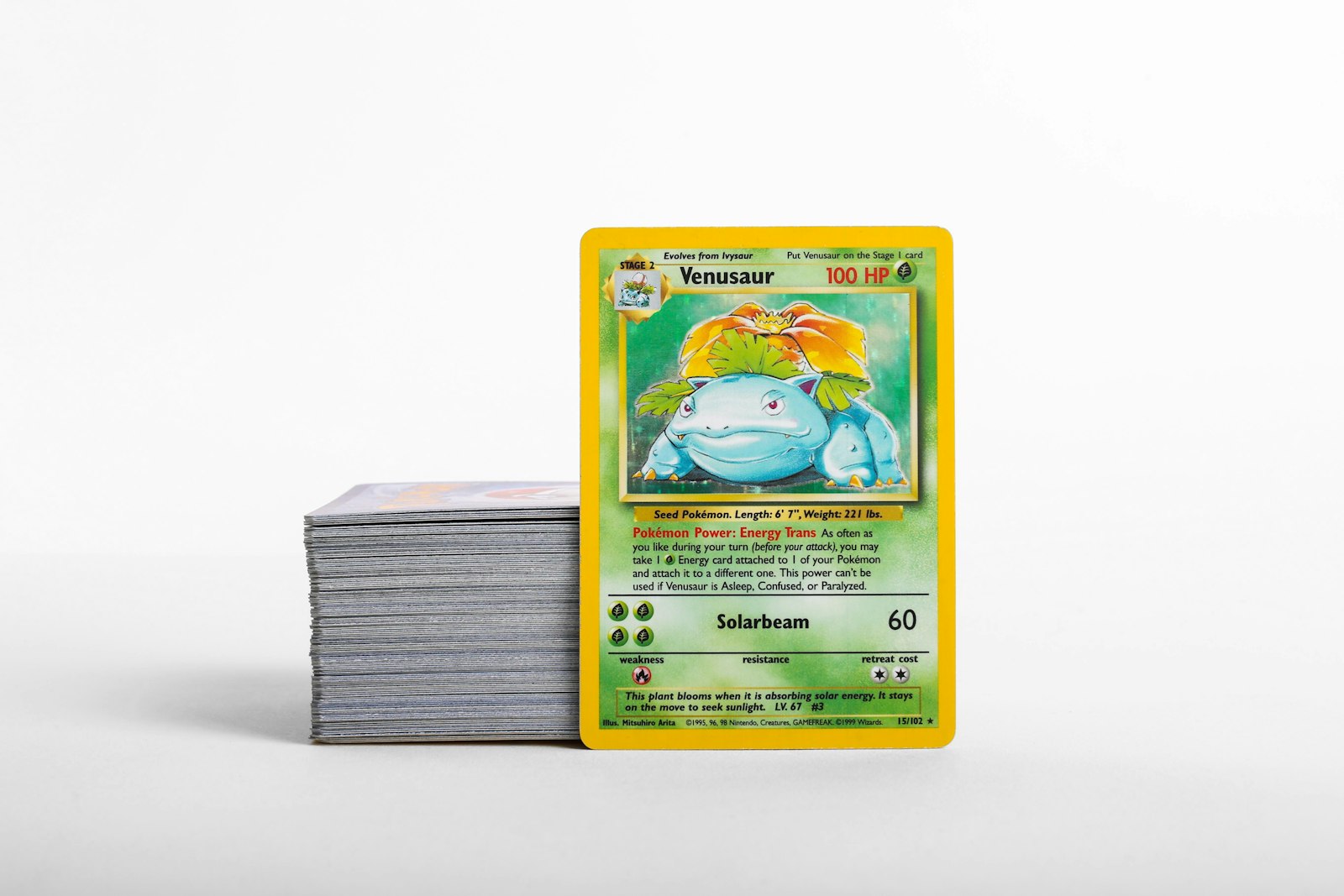
How to Maintain Pokemon Card Storage Supplies to Stop Subtle Sleeve Wear and Foil Clouding
When collectors think about protecting Pokemon cards, they usually focus on buying sleeves, side-loading binders, or semi-rigid holders. However, putting a card into a fresh sleeve is only the first step in long-term preservation. Over time, storage supplies themselves wear out. Polypropylene sleeves accumulate microscopic scratches, binder pockets stretch or haze, and static electricity traps fine grit against glossy card surfaces.
Without a routine check of your protective gear, subtle friction, plastic haze, and foil clouding can quietly degrade raw singles while they sit on your shelves. In this guide, we break down how to inspect your sleeves, binder pages, and storage boxes, identify early signs of wear, and make smart protection decisions to keep your collection safe.
Why Protective Storage Supplies Need Maintenance
Many collectors treat sleeves and binder pages as permanent fixtures. Once a card is sleeved and slotted into a binder, it often remains untouched for months or years. While archival-grade materials like acid-free polypropylene and non-PVC plastics do not chemically react with paper stock, physical wear still occurs through environmental exposure and regular handling.
Every time you turn a binder page, take a sleeve out of a deck box, or browse your trade portfolio, subtle physical forces act on the plastic:
- Surface friction: Sliding sleeves across binder pocket walls creates micro-scratches that cause plastic haze over time.
- Dust trapping: Fine airborne particles drift into open top-loading sleeves and settle at the bottom corners of binder pockets.
- Static accumulation: Synthetic plastics naturally attract dust, pet hair, and micro-particles when handled.
- Material stretching: Inserting thicker cards or double-sleeved cards into tight binder pockets stretches seam welds and relaxes tension.
Recognizing that protective supplies deteriorate over time is key to maintaining crisp foil surfaces, clean edges, and sharp corners across your entire card layout.
Early Signs Your Sleeves and Binder Pages Are Degrading
Before damage reaches the actual card surface, your storage supplies will show clear warning signs. Spotting these subtle indicators allows you to swap out aging gear before raw singles suffer surface haze or foil dulling.
Watch for these four common signs of supply degradation:
- Sleeve Haze and Cloudiness: Hold sleeved cards under a bright desk light. If the plastic looks milky, foggy, or displays networks of fine scratches, light reflection is being distorted. This haze is caused by accumulated micro-abrasions that can eventually rub onto soft foil finishes.
- Sticky or Resinous Feel: If plastic sleeves feel slick, sticky, or resist sliding smoothly against one another, environmental humidity or low-quality materials may be breaking down. Elevated humidity can cause plastic to adhere slightly to glossy holofoil surfaces.
- Corner Flaring and Wavy Seams: Sleeves that curl at the top opening or binder pages that sag and warp no longer hold cards flat. Flared sleeve corners create open gaps where dust drops directly onto top card edges.
- Pocket Seam Separation: Check binder page seams near high-traffic sections like set markers or trade sections. Splitting seams reduce tension, allowing raw cards to shift and rub against internal plastic surfaces.
If you spot any of these warning signs, replacing the affected sleeves or binder pages promptly prevents unnecessary wear.
Matching Card Finishes to the Right Sleeve Material
Not every raw card requires the exact same level of physical barrier. Modern Pokemon cards feature a wide variety of surface finishes—from flat non-foil commons to textured full-art ultra rares and smooth vintage star holos. Matching card finishes with the correct sleeve configuration prevents avoidable friction.
Here is how to match card surfaces to safe protection formats:
- Non-Foil Commons and Uncommons: Standard archival polypropylene penny sleeves work reliably in bulk storage boxes or binder setups.
- Glossy Modern Holofoil & Reverse Holo Singles: Standard clear sleeves with low static drag prevent surface sticking. If you double-sleeve, ensure the inner sleeve slides in smoothly without forcing air bubbles against the foil.
- Textured Full-Art & Special Illustration Rares: Matte-backed or ultra-clear archival sleeves provide crisp visibility while protecting delicate surface ridges. Avoid overly tight inner sleeves that exert lateral pressure on textured borders.
- High-Value Raw Singles: Use fresh clear penny sleeves combined with rigid toploaders or magnetic holders for maximum physical protection.
When sorting through new additions, using a reliable Pokemon card scanner helps you quickly identify card variants, rarity tiers, and condition details so you can assign the correct sleeve type without handling the raw surface repeatedly.
How Dust and Friction Build Up Inside Binder Pockets
Binder pages provide fantastic organization and display value, but high-density storage carries hidden friction risks if improperly maintained. As pages turn, top-loading binder pockets flex, creating small air currents that draw atmospheric dust inward.
Over time, dust particles settle at the bottom seam of the pocket. When cards are inserted or removed, this grit acts like fine sandpaper against card bottom edges and corners.
To prevent dust buildup in binder pockets:
- Transition to Side-Loading Binders: Side-loading binder pages prevent top-down dust drop and lock cards securely in place even when pages flex.
- Double-Sleeve Display Cards: Use an inverted inner sleeve combined with a standard outer sleeve. This upside-down entry seals the top opening, ensuring zero dust contacts the raw card edge.
- Clean Binder Pockets Before Reusing: Never slide a fresh card into a binder pocket that previously held an unsleeved bulk card without inspecting for internal dust or debris.
Keeping your physical display clean ensures your collection remains pristine while you track set completion in your favorite Pokemon collection app.
A Practical Inspection Routine for Long-Term Card Storage
Maintaining your storage gear does not require re-sleeving thousands of cards every month. Instead, implement a simple, rolling inspection schedule that integrates naturally into your regular collecting routine.
Here is a 4-step storage maintenance routine:
- Conduct Quarterly Binder Spot-Checks: Every three months, pull 5 to 10 random cards from your main set binders. Remove them from their pockets under bright, direct lighting to inspect both the sleeve surface and pocket clarity.
- Wipe Down External Storage Bins: Plastic deck boxes, binder covers, and cardboard bulk boxes collect ambient room dust. Wipe down external surfaces with a dry microfiber cloth before opening them.
- Audit High-Value Toploaders: Toploaders accumulate exterior scratches rapidly when stored loosely in storage boxes. Inspect your high-value raw cards and replace scratched outer toploaders so condition inspection remains fast and accurate.
- Log Storage Updates and Condition Notes: Whenever you replace worn sleeves or move a card to a higher protection tier, update your inventory notes. Using a digital Pokemon card price checker allows you to keep track of raw card condition ratings alongside current market references.
Upgrading Protection Levels as Card Conditions Change
Storage decisions should evolve as your collection grows and your goals shift. A card that started in a simple penny sleeve inside a bulk box may eventually deserve a dedicated binder slot or a rigid toploader based on condition preservation priorities.
When auditing your collection, look for these triggers to upgrade storage protection:
- Clean Raw Hits: High-grade raw candidates with pristine surface corners and zero edge whitening should be double-sleeved and placed in rigid storage immediately to preserve their condition.
- Vintage Singles: Older card stocks are more susceptible to ambient humidity swings and surface rubbing. Move raw vintage cards from loose storage into archival side-loading binders or toploaders.
- Set Anchors & Master Set Rares: Key secret rares and main set chase cards that complete major binder pages deserve fresh outer sleeves to keep display pages clear and uniform.
By matching physical protection to card vulnerability, you protect both the aesthetic beauty and long-term durability of your raw cards.
Streamlining Storage Checks with Digital Collection Tracking
Managing physical storage supplies is much easier when your digital inventory reflects exact card locations and condition details. Instead of flipping through heavy binders to find which cards need fresh sleeves, digital tools let you audit your collection efficiently.
With PokeSnap, you can scan raw singles instantly, catalog set progress, organize cards by custom binders or boxes, and cross-reference market values without disturbing physical storage. Keeping your physical binders clean, correctly sleeved, and digitally cataloged ensures your Pokemon card collection stays protected, organized, and ready for display for years to come. Explore more collecting guides and storage strategies on our blog.