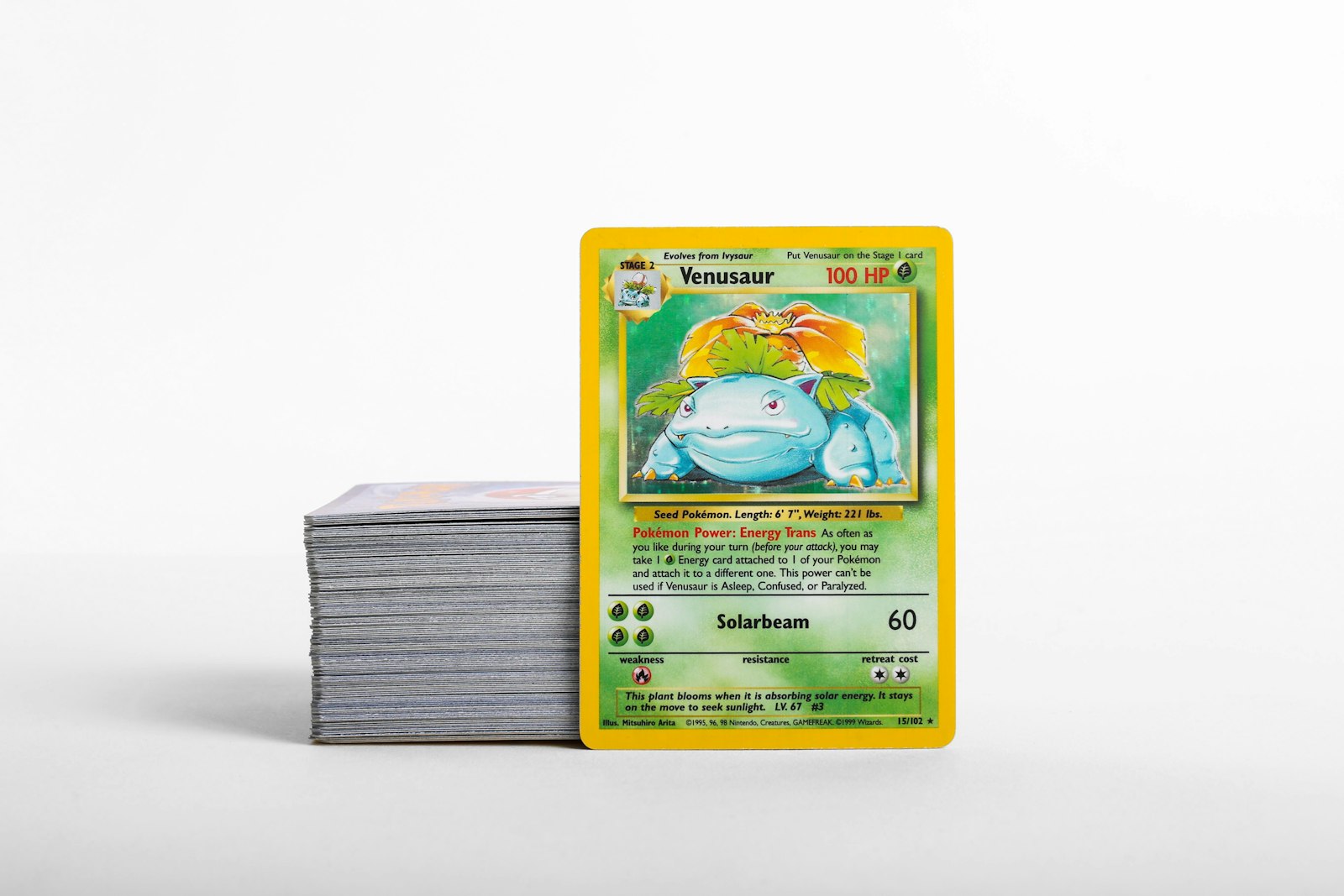
When you pull a raw Pokemon card from a fresh pack or purchase one from a local card shop, its physical condition dictates how you must protect it. Storing a pristine, high-value card in a dusty bulk box will ruin its condition, while over-protecting a heavily damaged common card wastes valuable hobby budget. To protect your collection efficiently, you must identify specific wear patterns—such as edge whitening, surface scratches, and corner dings—and match them to the correct combination of sleeves, binders, and boxes.
Using a Pokemon card scanner helps you quickly separate your high-value hits from bulk, but the physical storage decisions are entirely in your hands. This guide outlines how to recognize key wear patterns and select the safest, most cost-effective storage gear for every card in your collection.
1. The Core Wear Patterns Collectors Must Identify First
Before choosing a storage format, inspect your raw cards under a bright, direct light source. Tilt the card at various angles to catch reflections. Look for these four primary wear patterns:
- Edge Whitening and Chipping: This occurs when the card's paper layers split or rub against rough surfaces, exposing the white paper stock beneath the printed border. It is most common on the back borders of modern and vintage cards.
- Surface Scuffs and Holo Scratches: Fine lines on the surface of the card, especially visible on holographic foil. Fingerprint oils and dust particles act as abrasives if cards are slid against each other raw.
- Corner Softening and Dings: Rounded or split corners that have lost their sharp, factory-cut edges due to improper handling or tight pockets.
- Foil Curl (Warping): Holographic cards absorb humidity differently than the paper backing, causing them to bend into a "U" shape over time. While not permanent damage, severe curling makes cards difficult to store safely.
2. The Sleeve Match: Light vs. Heavy Protection
Sleeves are your first line of defense. Selecting the wrong sleeve can actually cause the wear patterns you are trying to avoid. Match your card's condition to the right sleeve type:
- Penny Sleeves: Loose-fitting, thin plastic sleeves. These are ideal for cards with minor edge wear or cards destined for toploaders. Because they are loose, they do not compress the card edges. However, they offer minimal structural support on their own.
- Perfect Fit Sleeves: Extremely tight-fitting sleeves designed to slide inside a standard sleeve (double-sleeving). Use these only on cards with clean, unchipped edges. Forcing a card with pre-existing edge split or heavy whitening into a perfect fit can worsen the damage.
- Standard Matte or Gloss Sleeves: Provide a rigid back and clean front. Excellent for cards going directly into binder pages, as they prevent the card from sliding around inside the pocket.
If you find a card has pristine edges but minor surface scuffs, a penny sleeve combined with a rigid outer shell is often the safest choice to avoid further friction.
3. Binders vs. Toploaders: Routing Cards by Condition
Once sleeved, your cards need structural support to prevent bending. The choice between a binder and a rigid toploader depends on the severity of the card's wear and its overall rarity.
- Binder Candidates: Cards with minor corner softening, light edge whitening, or common non-foil prints are perfect for side-loading, acid-free binders. Binders keep your sets organized and easily viewable. Use a Pokemon collection app to mirror your binder organization digitally so you can browse your collection without physically flipping pages and risking friction wear.
- Toploader Candidates: Cards with pristine surfaces, sharp corners, and zero whitening deserve toploaders. Toploaders prevent bending and impact damage. Always place the card in a penny sleeve before inserting it into a toploader to prevent the rigid plastic from scratching the card's face.
- Semi-Rigid Holders: Best for cards you plan to keep long-term in storage boxes or those with ultra-clean surfaces. They hold the card firmly in place, preventing any movement that could cause surface friction.
4. Box Storage Decisions for Bulk and Mid-Tier Hits
Not every card can or should live in a binder or a toploader. Managing your storage boxes requires a systematic approach to prevent minor wear from turning into severe damage.
- Cardboard Storage Boxes (BCW Boxes): Great for bulk and low-value duplicates. However, raw cards stacked loosely will slide and rub together, causing edge chipping. Always group bulk tightly enough that they cannot slide, but loosely enough that they do not compress and warp.
- Plastic Deck Boxes: Ideal for mid-tier duplicates that are sleeved but do not fit into binders. They offer better dust and moisture protection than open cardboard boxes.
- Dividers: Use plastic or paper dividers to keep sets separated. This minimizes the need to rifle through stacks, reducing physical handling.
5. Environmental Factors: Temperature and Humidity Controls
Even the best binders and toploaders cannot protect your cards if your storage environment is unsafe. Environmental wear can quietly ruin a collection over several years.
- Humidity Control: Keep your storage area between 40% and 50% relative humidity. High humidity causes foil curl, while extremely dry air can make vintage card stock brittle. Use silica gel packets in your storage boxes to absorb excess moisture.
- Temperature Stability: Store your collection in a climate-controlled room. Avoid attics, basements, and garages where temperature swings can cause condensation inside plastic sleeves.
- UV Protection: Keep binders and boxes out of direct sunlight. UV rays fade the ink on both vintage and modern cards, permanently reducing their visual appeal. Keep your most valuable cards boxed or in UV-resistant cases.
6. Building a Consistent Routine with PokeSnap
Organizing your collection physically is only half the battle. To keep track of which cards are safely tucked away in binders, stored in toploader boxes, or sorted as bulk, you need a reliable digital companion. You can find more preservation tips on our blog to keep your physical setup pristine.
With PokeSnap, you can use the high-accuracy Pokemon card scanner to identify and catalog your cards instantly. By scanning your cards as you sort them, you can build a complete digital inventory. You can also use the Pokemon card price checker to quickly determine which hits deserve premium toploaders and which duplicates are safe for bulk boxes.
Download PokeSnap today on iOS or Android to streamline your sorting, protect your cards safely, and track your entire collection in one seamless app.