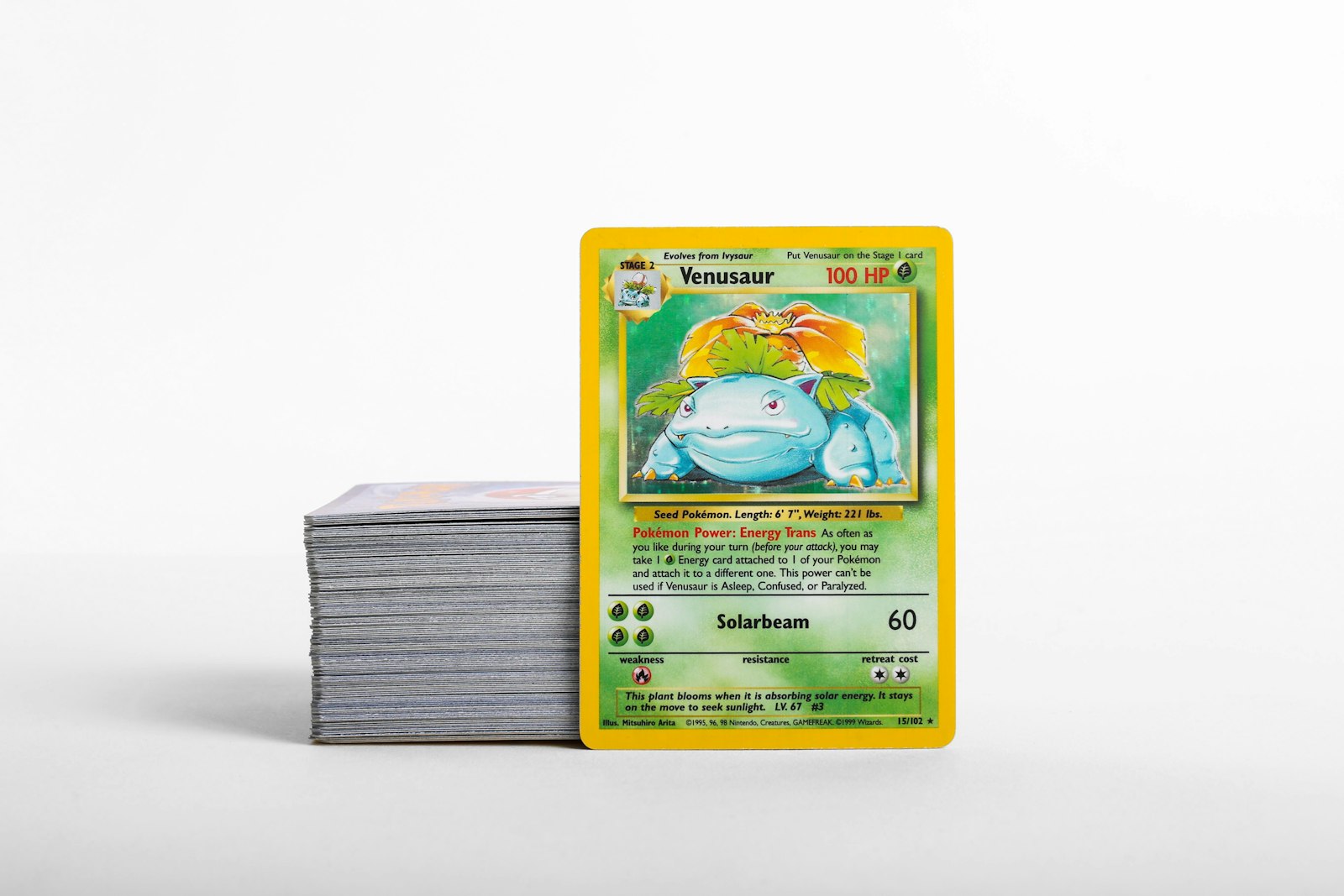
When you pull a raw Pokemon card from a booster pack or acquire a vintage single from a trade, its physical condition should immediately dictate how you store it. Too often, collectors treat every card in their collection the exact same way, either overprotecting low-value bulk or exposing delicate, high-value holo cards to avoidable wear.
Matching a card's physical flaws—such as edge wear, corner whitening, and surface scratches—to the correct protective gear is the best way to preserve its condition over time. By establishing a systematic routing process, you can prevent minor imperfections from turning into irreversible damage.
The Quick-Reference Storage Matrix
Before diving into the specifics of card wear, it helps to have a baseline strategy. The table below outlines how to route raw cards into different storage formats based on their physical condition and rarity profile.
| Card Condition | Key Physical Flaws | Recommended Inner Protection | Primary Storage Format | | :--- | :--- | :--- | :--- | | Near Mint (NM) | None, or micro-whitening on one corner | Perfect-fit sleeve + standard deck protector | Side-loading binder or toploader | | Lightly Played (LP) | Minor silvering, light corner wear | Standard penny sleeve | Side-loading binder or storage box | | Moderately Played (MP) | Visible edge wear, light surface scratches | Standard penny sleeve | Side-loading binder | | Heavily Played (HP) | Major whitening, deep scratches, minor creases | Standard penny sleeve | Bulk storage box with dividers | | Damaged (DMG) | Heavy creasing, dirt, peeling layers | Standard penny sleeve | Bulk storage box or dedicated binder slot |
Handling Corner and Edge Wear (Whitening)
Edge wear and corner whitening are the most common physical flaws found on raw cards. Cardboard layers are highly susceptible to splitting when subjected to friction, moisture, or tight plastic fits.
If you are dealing with a card that has pristine edges, your goal is to lock those borders in place. Double-sleeving is highly effective for these cards. A perfect-fit sleeve protects the edges from moving inside a secondary deck protector or toploader. However, you must insert the card carefully; forcing a tight perfect-fit sleeve onto a card with pre-existing edge wear can actually cause the cardboard layers to peel back further.
For cards that already exhibit moderate to heavy edge wear, skip the tight perfect-fit sleeves. Instead, slide them directly into a standard, loose-fitting penny sleeve. This reduces friction during insertion and removal, ensuring you do not worsen the silvering (the silver border showing through on the card's edge) or corner chipping.
Protecting Vulnerable Foil Surfaces from Scratches
Holofoil cards, especially modern ultra-rares and vintage holo singles, feature highly delicate surfaces. Micro-scratches, scuffs, and fingerprint oils can quickly dull the shine of a beautiful card.
When evaluating a card with a highly reflective surface, take these precautions:
- Avoid Raw Contact: Never slide an unsleeved foil card directly into a rigid plastic toploader. The hard PVC plastic can easily scratch the delicate foil surface during insertion. Always place the card in a soft penny sleeve first.
- Choose Textured Binder Pages: If you prefer storing your foils in binders, select binders with textured, black backing pages rather than cheap, smooth plastic pockets. The texture prevents the card's surface from sticking to the pocket, reducing the risk of ink transfer or surface scuffs.
- Handle by the Edges: Fingerprint oils contain natural acids that can permanently stain or discolor holofoil over time. Always handle raw cards by their edges, or wear clean microfiber gloves when transferring high-value singles to new sleeves.
Binders vs. Toploaders: Where Does the Card Belong?
Deciding whether a card belongs in a binder page or a rigid toploader depends on a combination of its physical stability and its rarity. Binders offer excellent accessibility and display value, while toploaders provide superior structural protection against bending and impact.
#### When to Use Binders Binders are ideal for complete sets, common cards, and moderately played holos. A high-quality, side-loading binder with a zipper enclosure keeps dust out and holds cards securely in place. If a card has minor corner wear or light warping (foil curl), a binder page provides gentle, even pressure that can help keep the card flat without stressing the cardboard.
#### When to Use Toploaders Toploaders are the standard for raw cards that are highly valuable, fragile, or prone to bending. If a card is in pristine, Near Mint condition and has a high market value, it belongs in a sleeve and a toploader. This setup protects the card from accidental drops, pressure dings, and physical bending. To store toploaded cards safely, use dedicated toploader storage boxes rather than stacking them loosely in cardboard shoe boxes where they can slide around.
Special Considerations for Japanese and Specialty Cards
Not all raw cards are manufactured the same way. For example, Japanese cards often feature thinner card stock, different foil patterns, and distinct silver borders compared to their English counterparts. These differences can affect how they react to environmental factors like humidity and temperature.
Because Japanese cards are slightly thinner, they can curl more easily in humid environments. If you scan Japanese Pokemon cards and notice a slight curve in the card, double-sleeving with a tight perfect-fit and a standard sleeve can help seal out humidity and keep the card flat. When storing these specialty cards, prioritize binders with zippered closures and consider adding silica gel packets to your storage boxes to absorb excess moisture.
Setting Up a Safe Intake and Cataloging Workflow
To prevent damage while organizing your collection, establish a safe intake routine. Every time you open new booster packs or return home with cards from a trade event, process them systematically before they go into long-term storage.
- Clear Your Workspace: Work on a clean, flat surface. Use a soft playmat to protect raw cards from hard table surfaces.
- Scan for Identification: By utilizing a mobile Pokemon card scanner, you can instantly identify the exact set, variant, and language of each card without handling it excessively.
- Check Market Trends: Use a reliable Pokemon card price checker to determine if the card's value warrants premium protection (like a toploader) or standard protection (like a binder slot).
- Log Your Inventory: Record the card's condition and storage location in your Pokemon collection app so you always know where your best copies are kept.
- Sleeve and Store: Immediately place the card into its designated sleeve and storage format to minimize exposure to dust and physical handling.
By keeping your physical storage organized and matching each card's flaws to the right protective gear, you ensure your collection remains in excellent shape for years to come. For more collecting strategies, storage reviews, and market insights, explore our extensive library of guides on the PokeSnap Blog.
Keep Your Collection Organized with PokeSnap
Protecting your physical cards is only half the battle; keeping track of their condition, variants, and locations is just as important. With the PokeSnap app, you can scan your cards instantly, check up-to-date market trends, and manage your entire binder and box inventory from your phone. Download PokeSnap today to streamline your collection workflow and keep your cards perfectly cataloged.