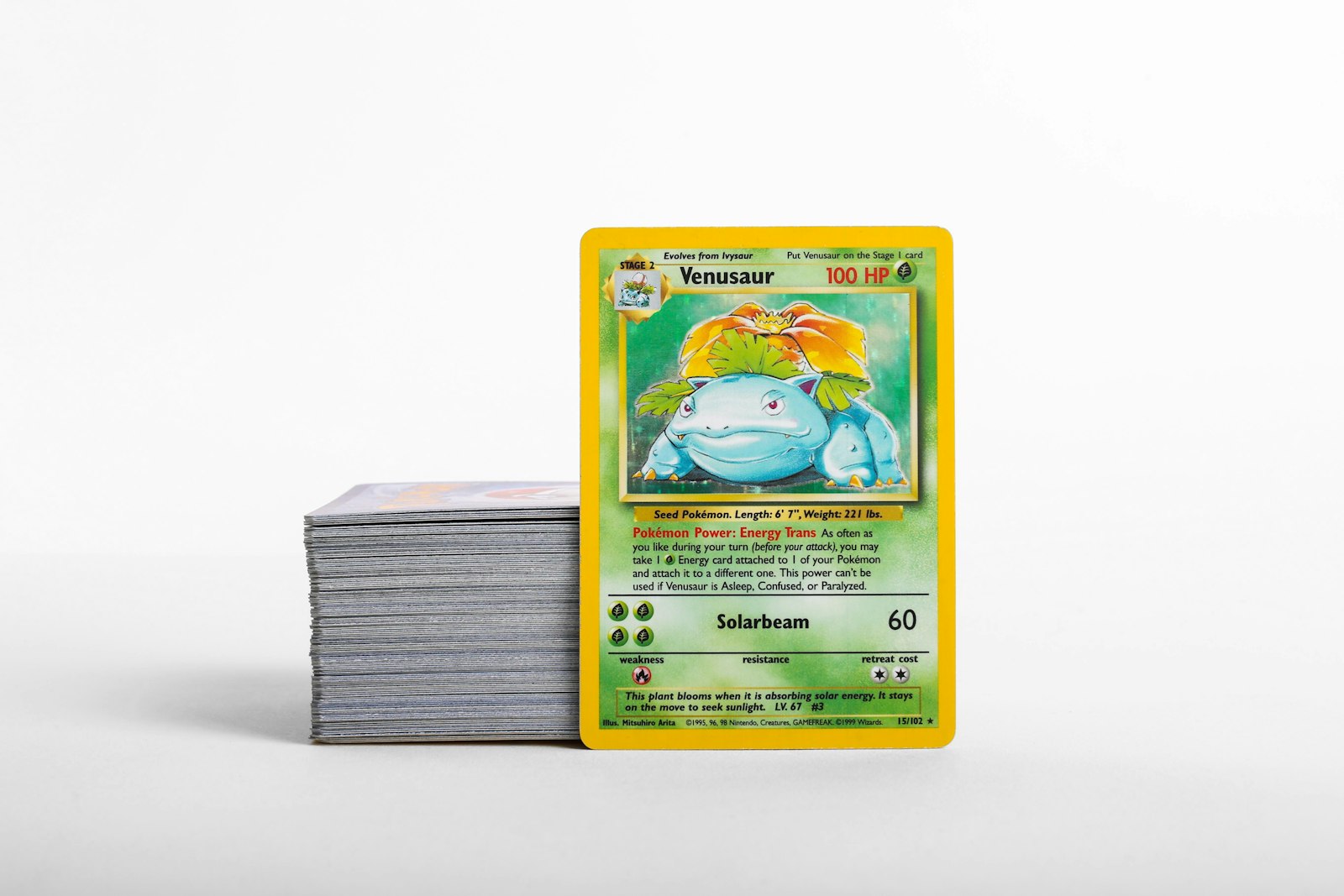
Storing raw Pokemon cards without checking their specific physical condition is one of the easiest ways to turn minor wear into permanent damage. A card with light corner whitening can snag against tight binder pockets, while a foil card with subtle humidity warp can crease if forced into a rigid holder.
Every raw card presents a different mix of edge integrity, surface delicate foil, and cardboard flexibility. Matching the specific wear pattern of your singles to the right combination of sleeves, binders, and storage boxes stops wear from escalating and preserves your collection over time.
Quick Guide: Matching Specific Card Wear to Protection Levels
When routing new additions or unsorted cards into your storage system, use these guidelines to pair physical flaws with safe protective supplies:
- Subtle Foil Curl / Humidity Warp: Standard penny sleeve inside a side-loading ringless binder page. Avoid forcing warped cards into tight perfect-fit sleeves.
- Edge Whitening & Soft Corners: Soft, oversized penny sleeve inside a rigid toploader or semi-rigid holder. Avoid top-loading binder pages where corners can catch during insertion.
- Surface Micro-Scratches & Holo Rub: Acid-free soft sleeve placed inside a lined storage box with low pressure. Avoid high-density binder pages that press pages together.
- Deep Creases & Structural Bends: Semi-rigid sleeve with card saver insert card to hold structural shape without edge pinching.
- Minor Corner Flaking: Archival soft sleeve paired with side-loading binder pockets to keep paper layers down.
Inspecting Subtle Condition Flaws Before Storage
Before deciding whether a single belongs in a binder page, a toploader, or a storage box, do a quick physical audit under clean, direct lighting. Tilt the card at a 45-degree angle to spot hidden flaws that overhead light misses.
Look closely at the foil layer on modern hits and vintage cards. Light surface haze, fingerprints, and print lines require soft sleeve material that will not drag dust across the surface. Inspect the rear borders for white specs along the blue card edges, paying close attention to the top corners where cards are most frequently handled during play or sorting.
Always work on a clean, soft desk surface such as a micro-fiber playmat. Handling cards by their outer edges prevents natural skin oils from transferring onto raw surfaces, keeping your cards clean before they enter long-term storage.
Protecting Cards with Foil Bends and Humidity Warp
Holographic Pokemon cards naturally bend due to environmental changes. The front foil layer and the paper cardboard backing absorb moisture at different rates, causing the card to arch forward or backward.
Forcing a warped card into a tight inner sleeve creates high friction across the corners and can permanently crease the center of the card. Instead, place curved cards inside standard clear penny sleeves that offer plenty of side room.
Once sleeved, place warped cards inside side-loading binder pages stored upright in a climate-controlled room. The natural, uniform pressure of a side-loading portfolio helps flatten light curvature safely without placing targeted mechanical strain on the foil.
Storing Cards with Edge Whitening and Soft Corners
When a Pokemon card has edge wear or soft corners, inserting it into protective gear becomes a high-risk step. Rough sleeving routines can peel back loose paper layers at the corner tips, turning minor whitening into structural flaking.
To safely protect cards with edge wear, use soft penny sleeves with slightly wider top openings. Gently pinch the sides of the sleeve to flare the opening open before sliding the card in base-first. Never force a card if you feel edge friction.
For valuable or vintage cards showing edge wear, pair your penny sleeve with a rigid toploader rather than a binder page. Sliding a card into a rigid case isolates the edges from continuous friction caused by flipping binder pages.
Handling Surface Scratches, Print Lines, and Holo Wear
Surface scratches and holo rub are particularly fragile because pressure worsens them over time. Dust trapped inside tight binder sleeves acts like fine sandpaper whenever binder pages shift against each other.
If a card shows surface wear, clean it gently with a dry micro-fiber cloth to remove loose dust particles before sleeving. Avoid using liquids, cleaning solutions, or aggressive rubbing, which can strip surface gloss or cause moisture stains.
Store surface-sensitive cards in archival-grade polypropylene soft sleeves free of PVC or chemical plasticizers. For long-term preservation, transfer sleeved cards to structured storage boxes fitted with vertical card dividers to keep pressure light and even.
Organizing Worn Singles in Binders vs. Rigid Cases
Choosing between binders, toploaders, and storage boxes comes down to balancing protection, visibility, and collection access:
- Side-Loading Binders: Best for complete sets, common cards, and light foil duplicates. Look for ringless binders with archival micro-mesh pages that keep cards secure without ring dents.
- Toploaders and Storage Boxes: Best for cards with soft corners, surface scratches, or higher single value. Store toploaders vertically in designated storage boxes to avoid corner bending.
- Magnetic Hard Cases: Best for display-ready singles with clean surfaces. Always pair magnetic cases with a soft penny sleeve to ensure the card front does not rub against the inner plastic cover.
When updating your physical storage, keeping your digital records accurate is just as important as protecting the physical card. Cataloging your cards with a reliable Pokemon card scanner lets you log physical condition notes, surface flaws, and sleeve locations as you sort.
Maintaining a Safe Collection Storage Workflow with PokeSnap
Managing a clean collection requires a smooth routine that connects physical storage with digital inventory tracking. As your collection grows across binders, boxes, and hard cases, keeping track of where each card lives prevents unnecessary handling.
Using a modern Pokemon collection app allows you to scan cards instantly after pack openings or trades, tag physical locations, and note condition details before storing them away. When you want to check values before trading or selling, integrating a fast Pokemon card price checker ensures you make decisions based on real market context.
With PokeSnap, you can scan cards in bulk, store accurate condition records, and build an organized digital catalog that mirrors your physical setup—keeping your cards safe, searchable, and protected for years to come.