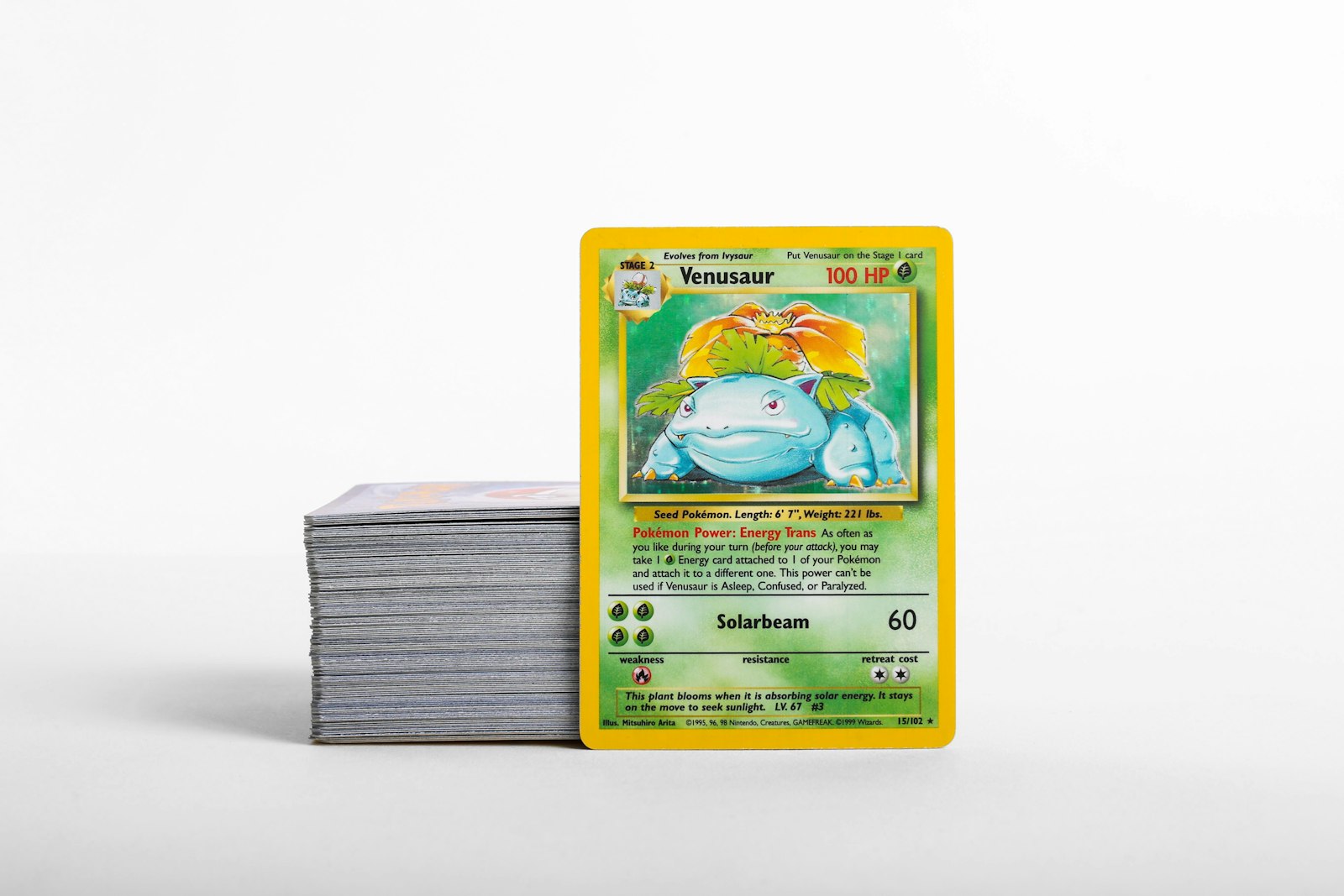
Protecting a Pokemon card collection is more than just buying a pack of penny sleeves and hoping for the best. Every scratch, nick, or speck of edge wear directly impacts a card's physical integrity and, ultimately, its place in your collection. To build a system that works, you must learn how to categorize raw card wear and match it with the right protective gear.
Whether you are managing a few binder pages of childhood favorites or thousands of cards spread across multiple boxes, your storage choices should reflect the physical state of your cards. By setting up a clear workflow, you can prevent wear before it starts, save money on unnecessary premium cases, and keep your inventory perfectly organized. Using tools like a digital pokemon collection app makes it easy to document these storage decisions alongside your physical cards.
Why Raw Card Condition Dictates Your Storage Choices
Not all cards require the same level of armor. Placing a heavily played, common card into a magnetic one-touch case is a waste of resources. Conversely, leaving a pristine secret rare loose in a cardboard box invites tragic surface scratches.
When you evaluate your cards, you are looking at specific types of physical wear:
- Surface Wear: Micro-scratches, scuffs, and fingerprint oils that dull the foil of holographic cards.
- Edge and Corner Wear: Whitening caused by friction against rough surfaces or tight pockets.
- Structural Wear: Bending, warping, or minor creases that compromise the card's flat profile.
Understanding these vulnerabilities helps you choose storage that mitigates further damage. For example, cards with fragile holographic surfaces require soft sleeves to prevent friction, while cards with minor edge wear need rigid structures to stop fraying.
The Three-Tier Inspection Process
Before sorting your cards into binders or boxes, you need a quick, repeatable way to inspect them. Set up a clean workspace with a flat surface, a bright overhead light source, and a soft microfiber mat.
Follow this simple three-tier inspection checklist:
- Examine the Surface: Hold the card at an angle under your light. Look for fine lines, print defects, or dull spots on both the front and back.
- Check the Edges and Corners: Flip the card over. Inspect the blue borders on the back, as whitening is much easier to spot against the dark blue background than the yellow or silver front borders.
- Inspect the Flatness: Lay the card flat on your mat. Check for any curling or bowing, which is common in foil cards exposed to changing humidity levels.
Once you have assessed the physical condition, you can categorize the card into one of three storage tiers: Top-Tier (Pristine/Near Mint), Mid-Tier (Lightly Played/Binder Quality), or Low-Tier (Heavily Played/Bulk).
Matching Pristine and Near Mint Cards to Top-Tier Protection
Cards in pristine or near-mint condition are highly vulnerable to even the slightest friction. These cards require a multi-layered defense system to preserve their condition.
- The Soft Sleeve (Penny Sleeve): This is your first line of defense. Always insert a pristine card into a standard, acid-free penny sleeve. This protects the delicate surface from scratches when sliding the card into more rigid holders.
- Toploaders: For high-value raw cards, slide the sleeved card into a rigid plastic toploader. This prevents bending and protects the corners from impact. Remember to use a pull-tab or sticky note on the sleeve so you can easily extract the card later without squeezing the sides.
- Semi-Rigid Holders: If you plan to keep cards safe for long-term storage or future submission preparation, semi-rigid holders offer excellent protection without the bulk of heavy plastic.
- Magnetic Cases (One-Touch): Best reserved for your absolute favorite raw singles. Always ensure the card is placed in a fitted penny sleeve first if the magnetic case does not feature a recessed area designed to prevent surface friction.
Selecting Storage for Mid-Grade and Binder Cards
Mid-grade cards, or those you want to display and flip through frequently, belong in binders. However, not all binders are created equal. To keep your cards safe, avoid old-school three-ring binders with metal rings, which can pinch and dent cards near the inner margins.
Instead, opt for high-quality, archival-safe binders that feature:
- Side-Loading Pockets: Side-loading pockets prevent cards from slipping out of the top when the binder is carried or stored.
- Built-In Pages: Binders with sewn-in pages lay flatter and distribute pressure more evenly than loose-leaf pages.
- Zippered Closures: A zipper keeps dust, pet hair, and ambient moisture out of your binder pages.
Before sliding a card into a binder pocket, always put it in a standard penny sleeve or a perfect-fit sleeve. Double-sleeving (using a perfect-fit sleeve inserted top-down, followed by a standard sleeve inserted bottom-up) is highly recommended for holographic cards stored in binders, as it seals the card against dust and moisture.
Managing and Boxing Bulk or Heavily Played Cards
Not every card in your collection needs individual plastic armor. Common, uncommon, and heavily played cards can be stored efficiently in bulk boxes without risking significant loss of condition.
- Cardboard Storage Boxes: Sturdy, multi-row cardboard boxes are the industry standard for bulk storage. Ensure the boxes are clean, dry, and free of acidic adhesives.
- Vertical Alignment: Store cards vertically, not horizontally. Laying cards flat in a stack can cause the bottom cards to warp under the weight, especially in humid environments.
- Snug but Not Tight: Pack the rows tight enough that the cards do not slump or bend, but loose enough that you can easily flip through them without bending the corners. Use foam blocks or plastic dividers to fill empty space in partially filled rows.
Before boxing your bulk, it is smart to run them through a pokemon card scanner to make sure no valuable hits or reverse holos are accidentally mixed into your common boxes.
Environmental Factors That Bypass Your Protection
Even the best binders and toploaders cannot protect your collection from poor environmental conditions. To prevent physical decay over time, you must manage where your storage boxes and binders live.
- Humidity Control: High humidity causes cardboard to absorb moisture, leading to the dreaded "foil curl" in holographic cards. Keep your collection in a climate-controlled room. If you store cards in plastic bins, toss in a few silica gel packets to absorb excess moisture.
- Temperature Stability: Avoid storing cards in attics, garages, or basements where temperature swings are common. Rapid temperature changes can cause plastics to warp and adhesives to degrade.
- UV Light Prevention: Never display raw cards in direct sunlight. UV rays fade ink quickly, permanently dulling the vibrant colors of your favorite artwork. Use UV-resistant display cases if you want to show off your cards on a shelf.
How to Track Condition and Storage Locations Digitally
Once your physical storage is set up, the next challenge is remembering where everything is. There is nothing more frustrating than knowing you own a specific card but having to search through ten different binders and boxes to find it.
This is where a digital inventory workflow becomes invaluable. By scanning your cards as you sort them, you can build a complete digital catalog. A modern app allows you to:
- Log the exact condition of each card when you find it.
- Organize your cards into digital folders that match your physical binders (e.g., "Binder 1: Scarlet & Violet Base Set").
- Use a pokemon card price checker to monitor market trends so you can decide if a card's shifting value warrants moving it from a binder to a premium toploader.
Keeping your physical organization in perfect sync with a digital tracker ensures that your collection remains manageable, searchable, and fully protected.
Secure Your Collection Today
Categorizing your raw cards and matching them to the right storage setup is the best way to safeguard your collection for years to come. By taking the time to inspect your cards, use quality sleeves and binders, and control your storage environment, you prevent avoidable wear and maintain the integrity of your cards.
Ready to take control of your collection? Download PokeSnap today on iOS or Android. With PokeSnap, you can instantly scan your cards, check values, and organize your inventory digitally so you always know exactly what you have and where it is stored.