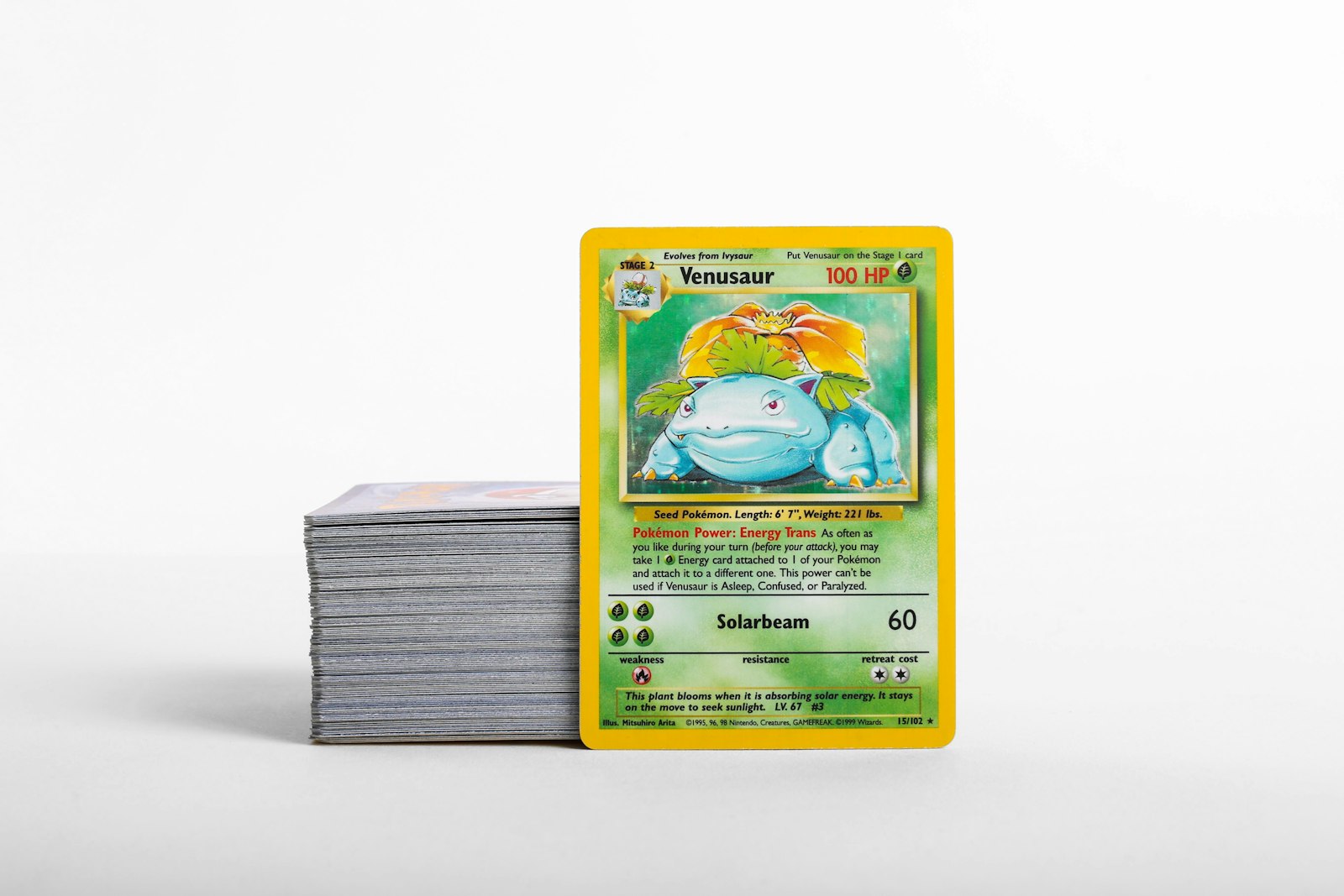
Storing a growing Pokemon card collection requires more than tossing every card into the same box or binder. A Near Mint chase card, a lightly played vintage foil, and a stack of standard common duplicates each require different handling and protective gear. When collectors apply a one-size-fits-all approach, they risk damaging fragile holos through friction, warping cards in binder pages, or wasting high-end supplies on bulk.
Building a systematic storage workflow ensures that every card receives protection matching its physical condition and market value. By triaging incoming cards immediately, choosing compatible sleeves, and organizing physical storage alongside digital tracking tools, you keep your collection safe and easy to browse.
Step 1: Triage Raw Cards by Inspecting Physical Flaws
Before placing any card into permanent storage, examine its condition under direct light. Small flaws like surface scuffs or corner whitening dictate how a card should be sleeved and stored.
Inspect incoming singles using a clear lighting setup and look for specific red flags:
- Foil and Surface Wear: Check holo surfaces for hairline scratches, clouding, print lines, or oily fingerprints.
- Edges and Corners: Examine borders for whitening, micro-nicks, or lifting layers along the cardboard edges.
- Structural Flaws: Look closely for faint surface creases, binder ring pinches, or foil curling caused by humidity swings.
Once you identify physical wear, you can determine whether a card belongs in a loose storage box, a protective binder, or a rigid holder.
Step 2: Establish Defined Protection Tiers
To make quick storage decisions, divide your cards into three clear operational tiers based on condition and importance to your goals:
- High-Value and High-Grade Candidates: Pristine modern full arts, rare vintage cards, and clean copies reserved for grading or high-end trade binders. These deserve premium inner sleeves combined with top loaders or magnetic cases.
- Binder Sets and Playables: Mid-tier hits, reverse holos, and master set staples in Lightly Played to Near Mint condition. These belong in archival-safe binder pages with quality outer sleeves.
- Bulk and Unsorted Duplicates: Played commons, uncommons, and extra energy cards. These can reside in acid-free bulk storage boxes organized by set, provided they are kept flat and clean.
Segmenting your collection prevents unnecessary spending on premium cases while guaranteeing that sensitive foils receive immediate care.
Step 3: Match Sleeves, Toploaders, and Binders to Card Needs
Not all plastic sleeves and binder pages offer equal protection. Using mismatched protective supplies can cause surface clouding or edge compression.
Follow these storage pairing rules for raw cards:
- Penny Sleeves: Ideal as a first layer for standard raw cards, bulk hits, or cards entering toploaders. Always insert the card gently to avoid snagging the bottom corners.
- Double-Sleeving (Inner + Outer): Best for glossy textured full arts and high-value holos. Ensure the inner sleeve slides down from the top and the outer sleeve slides up from the bottom to seal out dust and moisture.
- Toploaders and Semi-Rigid Holders: Recommended for singles undergoing transport, trade holds, or pre-grading review. Never force an unsleeved card into a rigid holder, as plastic friction will scratch the surface.
- Side-Loading Binder Pages: Superior to top-loading vinyl pages. Side-loading pockets hold sleeved cards firmly, preventing them from falling out while keeping dust away from top edges. Always opt for ringless binders to remove the risk of binder-ring denting.
Step 4: Control Environmental Humidity, Light, and Pressure
Even the best sleeve setup cannot protect cards from environmental degradation if storage conditions are poor. Foil cards are particularly susceptible to humidity because the metallic foil layer and paper backing absorb moisture at different rates, leading to foil curl.
Protect your storage space with these room management practices:
- Maintain Stable Humidity: Keep storage areas around 45% to 50% relative humidity to limit cardboard warping and foil bowing.
- Block Direct UV Light: Sunlight fades bright artwork and yellow border colors over time. Keep binders and storage boxes inside dark closets or covered shelving away from windows.
- Prevent Stacking Weight: Avoid piling heavy card boxes or loose binders directly on top of each other. Excess pressure can force air out of sleeves, causing soft foil surfaces to adhere to sleeve plastics.
Step 5: Perform Periodic Protection Audits
Protective gear wears out over time. Matte sleeves collect oil from hands, penny sleeves grow hazy, and older binder pages can stretch.
Set a schedule every six months to audit your stored collection:
- Inspect binder pages for sagging pockets or cloudy plastic.
- Swap out old or dirty sleeves on high-value singles.
- Verify that stored boxes remain dry and free of compression.
Replacing worn gear early prevents long-term surface fogging and ensures your cards remain presentable for trades or appraisal.
Step 6: Sync Physical Storage with Digital Organization
Managing physical binders and boxes is only half the battle. If you cannot locate a card when you want to trade or check prices, your storage system breaks down.
Cataloging your physical setup in a digital tracker creates a searchable index of your collection. When you scan incoming cards using a Pokemon card scanner, you can record physical box locations, track condition notes, and log language variations—including when you scan Japanese Pokemon cards.
Pairs nicely with a reliable Pokemon card price checker to help you decide when a card rising in popularity warrants an upgrade from a bulk box into a side-loading binder slot.
Keep Your Storage and Inventory Organized with PokeSnap
Establishing clear storage rules keeps your raw Pokemon cards in clean, stable condition for years to come. By pairing proper sleeves, ringless binders, and dry storage boxes with smart collection management, you protect both the visual appeal and trade value of your cards.
To simplify how you track storage locations, check values, and log card condition, use the Pokemon collection app PokeSnap. Point your mobile camera at any raw single to identify the set, catalog duplicate copies, and maintain a complete digital index of your entire physical binder workflow. For more practical collection management advice, explore the PokeSnap blog.